Lost its Shein? Why the fashion giant's value has slumped
The slump in Shein's valuation represents doubts about the Chinese firm's ability to grow rapidly into the future rather than an expectation that consumers are abandoning fast fashion, writes Adam Maguire.
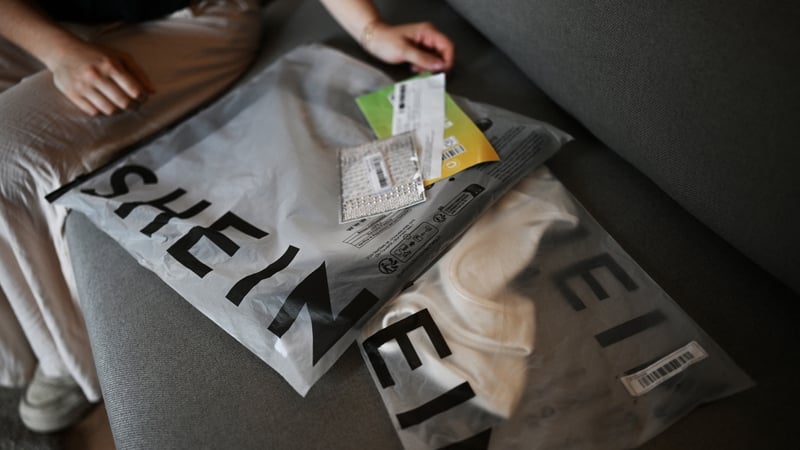
When Shein raised funds privately in 2022, few could have predicted it to be a high-water mark for the Chinese fast-fashion giant. Back then, the company's rapid growth made it seem like the inevitable market leader in global fashion – with its $100 billion valuation possibly seeming modest to some. However, after failed attempts to float shares in both New York and London, Shein debuted in Hong Kong this week, securing a valuation of less than $27 billion.
Despite being a much bigger company now than in 2022, with sales of around $41.8 billion and a profit of over $2 billion last year, the far lower valuation may not make much sense. This is due to various factors that play into company valuations, such as the timing of the float and market mood. At the moment, much investor attention is focused on AI, taking attention away from other businesses.
Moreover, a company's stock market valuation represents a bet on its future performance rather than its current status. This is why firms like SpaceX, despite bleeding billions each year, have record-breaking valuations, and why Anthropic and OpenAI may float at values over $1 trillion despite current losses. With Shein, investors are less confident about its growth compared to 2022.
Although Shein is still growing year-on-year, the pace has slowed considerably in the past 18 months. Between 2022 and 2023, its sales revenue increased by around 19%, but between 2024 and 2025, growth slowed down to just 8%. This slowdown is likely to continue into 2026, making Shein look less impressive in terms of growth compared to its 2022 peak.
One significant factor behind this is the changing mood around cheap imports from China. This started in the US, not just due to rising trade tensions with China, but specifically with the end of the de minimis exemption, which allowed lower goods from China to enter the US duty-free. When consumers bought a $5 dress from Shein, they knew they wouldn't have to pay sales taxes or customs charges.
However, this exemption was removed around a year ago, negatively impacting Shein's sales, similar to other China-based companies. In the first three months of this year, Shein reported US sales worth over $2 billion, down from nearly $2.4 billion the previous year – a decline of more than 14%. Shein's US market accounted for around 30% of its sales in 2023 but only around 22% at the start of this year.
Europe, Shein's second-largest market, has also imposed an import charge of €3 per item from China, potentially going up to €5. This levy aims to curb the large influx of cheap, often low-quality items from China and has already shown some success. As shoppers become less inclined to buy from Shein due to these charges, the company is trying to adapt by establishing warehouses and distribution centers in Europe.
Written by urgent.news from RTE News's reporting — not their text. Machine-written — may contain errors; check the original before relying on it.