Lager für Migranten: Spaniens Regierung übernimmt Kontrolle über Hafen von Ceuta
Spaniens Zentralregierung setzt sich über die Regionalverwaltung hinweg und lässt ein Zeltlager für Migranten im Hafen von Ceuta errichten.
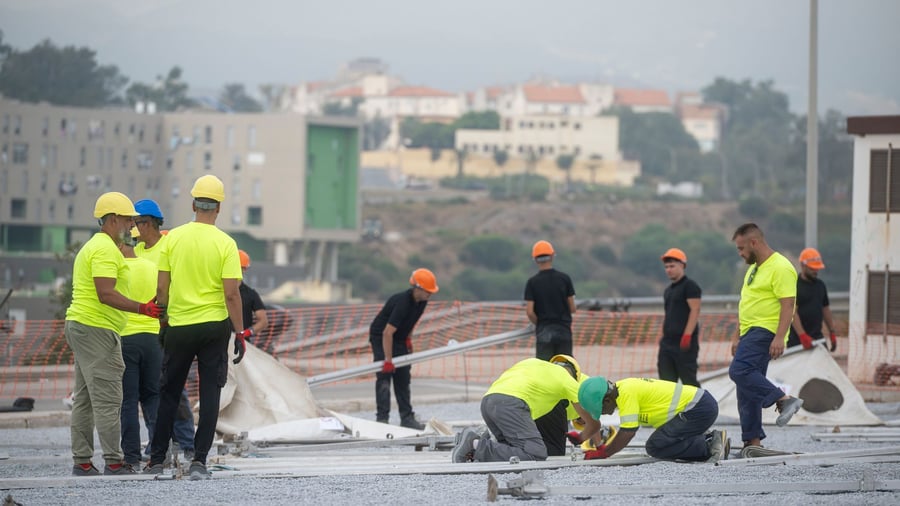
The Spanish government has taken control of the Ceuta port in North Africa's exclaves to accommodate migrants. Transport Minister Óscar Puente signed an order allowing the establishment of a temporary tent camp for migrants in the port area, despite local authorities' opposition. The regional government, led by Juan Jesús Vivas, the president of the exclave bordering Morocco, had previously opposed the construction of such a camp, stating that the port was essential for supplying the exclave.
Protests had previously erupted against the temporary housing of migrants in abandoned factories, former military hospitals, or sports centers. Another camp for around 900 people is currently being built in the Los Rosales district, also facing local opposition. As of July 30th and 31st, approximately 72,000 migrants from Morocco crossed to Ceuta by swimming or climbing over border fences, with most returning within hours.
However, about 5,000 migrants, including nearly 1,200 minors, remained in the area a month later. Demonstrations and violent attacks on migrants have been frequent, with many of Ceuta's 83,000 residents expressing resentment over the long presence of thousands of migrants. While the regional administration, under Vivas, calls for the immediate deportation of migrants, the government of Prime Minister Pedro Sánchez faces intense pressure to follow a lengthy case-by-case review.
Spain is also under scrutiny for its portrayal of Morocco's government as having no involvement in the mass influx that occurred at the end of July.
Written by urgent.news from Handelsblatt's reporting — not their text. Machine-written — may contain errors; check the original before relying on it.
This story
This is one outlet's version. Read the fullest account.
- Migrant Camps: Spanish Government Takes Control of Ceuta Port handelsblatt.com