J. D. Vance’s Disingenuous Defense of Tucker Carlson
The vice president’s relationship with a conspiracy theorist is, at bottom, a political partnership, not a personal friendship.
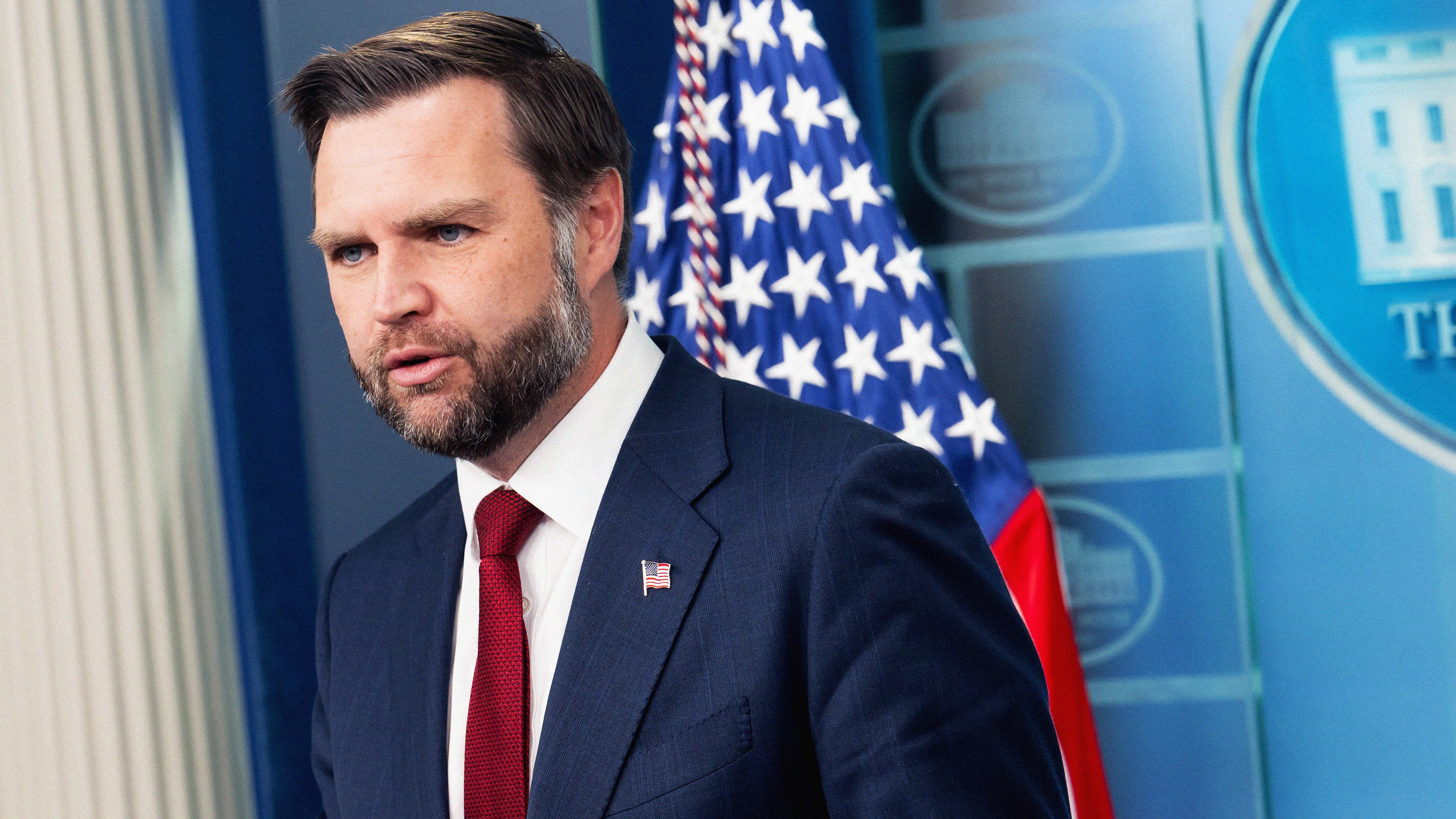
J. D. Vance defended his friendship with Tucker Carlson during a press conference, emphasizing that they remained friends despite their political disagreements. Vance stated, "Tucker is a friend, despite the fact that we disagree on a number of things." He argued that disagreements should not lead to the abandonment of friendships, as the republic depends on people with different perspectives being able to communicate.
Vance's defense of Carlson extended beyond a trivial matter, suggesting that their bond is crucial for the American experiment. However, skepticism is warranted when considering Vance's motivations for maintaining the relationship. Vance is known for his sharp criticism of others, including political opponents and even left-leaning allies.
His history of insulting figures such as Senate Democrats, reporters, and conservative commentators reveals a pattern of divisiveness. During the press conference, Vance mocked the idea of talking to former President Biden, suggesting that disagreements should prevent such interactions. Moreover, Vance dismissed a Democratic Senate candidate, Abdul El-Sayed, as a "crazy person."
This behavior highlights a possible ulterior motive behind Vance's friendship with Carlson. While Vance claimed they disagreed on some issues, he specifically highlighted Carlson's praise of a Democratic candidate as evidence of their disagreement. Carlson had recently endorsed El-Sayed as "America First" and "literally Trumpian," a view Vance claimed to disagree with.
This suggests that Vance's defense of Carlson may be more about preserving his access to Carlson's massive audience than genuine friendship. Vance's defense of Carlson's views on conspiracy theories, anti-Semitism, and authoritarianism further raises questions about the nature of their relationship. Vance's decision to endorse Carlson's controversial theories, such as "Great Replacement" and expressions of sympathy for Russia, indicates a willingness to align with a right-wing faction that embraces isolationism and crackpottery.
In summary, J. D. Vance's defense of Tucker Carlson at the press conference appears to be motivated by a desire to maintain political influence and access to a broad audience, rather than a genuine friendship.
Written by urgent.news from The Atlantic's reporting — not their text. Machine-written — may contain errors; check the original before relying on it.