It doesn't look dangerous, but this sneaky snail causes enormous damage
The Drupella snail doesn't look threatening, but it is such a danger to Queensland's reefs that tourism operators have helped cull hundreds of thousands of them as part of a management plan.
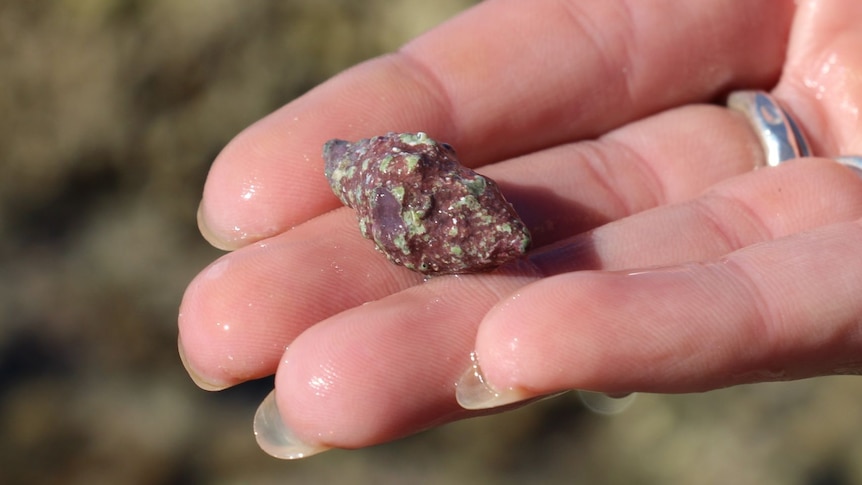
Queensland tourism operators have been instrumental in combating a seemingly innocuous yet destructive threat to the Great Barrier Reef - the Drupella snail. These native gastropods, which can grow up to 5 centimeters long, pose a significant risk to coral health by feeding on living coral tissue. Drupella snails are prolific breeders, with each female capable of producing nearly 160,000 embryos in a single spawning event, allowing their populations to rapidly expand and overwhelm healthy reefs.
Recognizing the threat posed by these snails, 26 tourism operators have joined forces as part of the Tourism Reef Protection Initiative to monitor and cull Drupella populations. Lady Musgrave Experience owner Brett Lakey and his staff manually remove the snails from coral crevices using special tweezers during their daily tours to the island. Over a two-hour scuba diving session, they recently removed 1,500 snails from Lady Musgrave Island alone.
The Great Barrier Reef Marine Park Authority's chief scientist, Roger Beeden, warned that without proper management, Drupella snails could destroy vast areas of coral. Studies have shown that their consumption rate increases with temperature, and they target faster-growing plating and branching corals, which create numerous hiding spots for the snails within the coral structure.
Lady Elliot Island environmental manager Jessica Blackmore first noticed a rise in Drupella snail numbers about two years ago. In response, they initiated a fortnightly management program involving the culling of thousands of snails. The process is time-consuming, as staff wear scuba or snorkeling gear to remove the snails one by one from the base of the coral.
The Tourism Reef Protection Initiative has collectively removed over 420,000 Drupella snails since its inception in 2022. Scientists believe that agricultural run-off contributes to the spread of these snails, as their embryos can drift up to 180 kilometers. To address this issue, the Australian and Queensland governments are working together to improve water quality.
Lady Elliot Island is currently in a maintenance phase to prevent large outbreaks of Drupella snails. They aim to restore coral health and enable the reefs to naturally recover and tolerate the snail populations present. Lakey emphasized the importance of raising awareness and educating guests about the coral predators and other threats facing the marine park. The tourism operators involved in the initiative continue their stewardship of the area, working together to protect the Great Barrier Reef.
Written by urgent.news from ABC News AU's reporting — not their text. Machine-written — may contain errors; check the original before relying on it.