Iran's Hormuz leverage wanes as US economic squeeze bites
* Sanctions squeeze hits revenues, inflation and trade* Global markets adapt, blunting Tehran's coercive power* Officials hope economic pain sparks unrest in Iran* Sceptics say Iran's resil...
Following six months of conflict that rattled global markets and threatened to spark a wider war, the United States is employing an unprecedented economic offensive against Iran, aiming to achieve results previously unattainable through military force. Iran, historically adept at enduring sanctions, now faces one of the most severe economic pressures in its history, as revealed by Iranian insiders and regional sources.
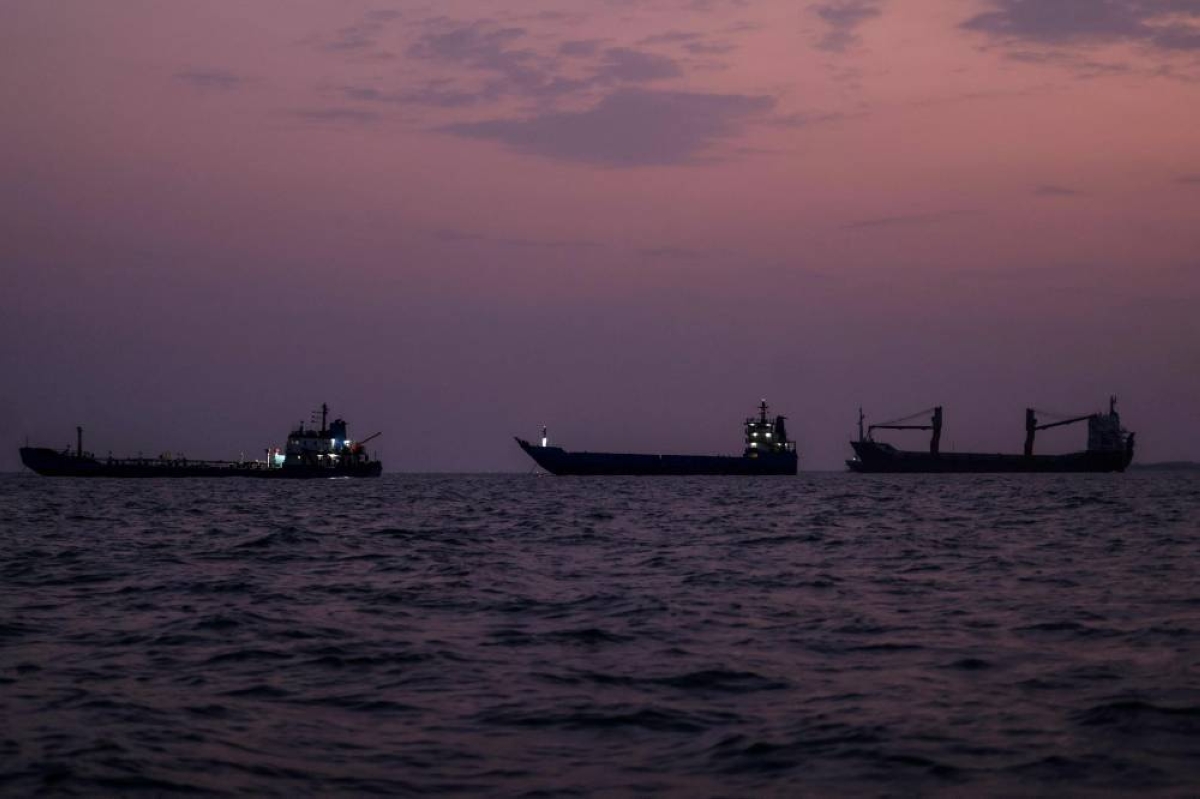
A US naval blockade and intensified sanctions are curbing oil exports, limiting access to foreign currency, and exposing deeper economic strains. The campaign's objective is to force Iran to permit free passage through the Strait of Hormuz, which handles about a fifth of global oil and liquefied natural gas supplies. The US and regional officials base their strategy on the assumption that Iran is suffering more economically than it is causing damage to others.
Energy markets have adapted, and alternative supplies have continued to flow, diminishing Tehran's coercive power. Analyst Arash Azizi notes that Iran has lost some leverage over the Strait of Hormuz due to its inability to fully close it, and the US naval blockade is significantly impacting Iran. Tehran had anticipated that strait disruptions would trigger a global economic shock, compelling Washington to return to the negotiating table, but this has not occurred.
Other nations have adapted, demonstrating Iran's limited capacity to inflict economic pain regionally and globally. While economic pressure is deepening the strain, Iran's powerful Revolutionary Guards view endurance, coupled with the threat of escalation, as leverage rather than a reason to concede. The primary question remains whether Iran's resolve will weaken enough before either side escalates into another confrontation.
Written by urgent.news from Gulf Times Business's reporting — not their text. Machine-written — may contain errors; check the original before relying on it.
This story
This is one outlet's version. Read the fullest account.
- Iran says it will act against vessels beyond Strait of Hormuz thenationalnews.com
- Iran warns South Korea against involvement in US security operations in Hormuz dailypost.ng
- Iran’s Hormuz leverage wanes as US economic squeeze bites dailytimes.com.pk
- Iran warns S. Korea that presence in Hormuz would be seen as support for US, have 'consequences' jpost.com
- Can Iran enforce a restricted zone in the Strait of Hormuz? aljazeera.com
- S. Korea says in talks with int'l community over Hormuz security, keeps Iran channel open en.yna.co.kr
- Iran's Hormuz leverage wanes as US squeeze bites economictimes.indiatimes.com