India’s Undertrial Crisis: 73 Per Cent Of Prisoners Await Trial As Bail Barriers And Delays Keep Them Behind Bars
New Delhi, September 5, 2026: India’s courts have repeatedly stressed a basic principle of criminal justice: bail is the rule and jail is the exception. Yet for thousands of people caught in the criminal justice system, imprisonment begins well before a court decides whether they are guilty. For some, that question may remain unanswered for years. The latest National Crime Records Bureau (NCRB)…
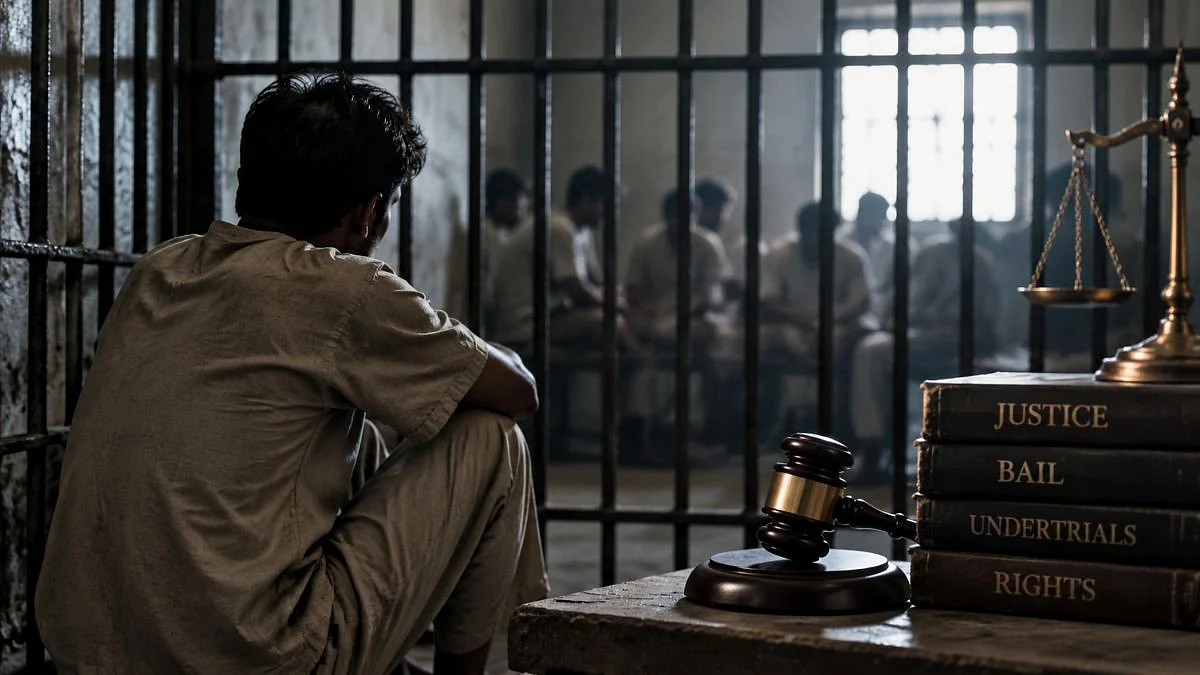
In India, approximately three-quarters of the 511,542 prisoners in the nation's jails are undertrials, awaiting trial rather than having been convicted. This alarming statistic reveals a severe crisis in the country's criminal justice system, where imprisonment often begins before a person is even found guilty. The National Crime Records Bureau (NCRB) Prison Statistics India report highlights overcrowding as just one part of the problem, with undertrial detainees comprising 72.6% of the total prison population.
The issue is particularly acute in states such as Delhi, Meghalaya, Jammu and Kashmir, Madhya Pradesh, and Maharashtra, where occupancy rates exceed 143%. The stark disparity in undertrial numbers across these states emphasizes the urgent need for reform in the bail and detention processes. Alarmingly, most undertrials are young and from disadvantaged backgrounds.
About 86.3% of prisoners fall within the age bracket of 18 to 50 years, while 68% lack formal education, with literacy rates as low as 26.2% for those unable to read or write beyond Class 10. Furthermore, Scheduled Castes represent 21.8% of the prison population, followed by Scheduled Tribes at 14.1% and Other Backward Classes at 33.2%, collectively accounting for nearly 69% of all prisoners.
These figures indicate that the undertrial crisis disproportionately affects marginalized communities that have historically faced social and economic disadvantages. Despite India's legal safeguards against routine arrests and detention, the problem persists due to inadequate enforcement. The Supreme Court has ruled that detention should be a last resort under Article 21, which guarantees the right to personal liberty.
Section 41 of the Code of Criminal Procedure (CrPC) stipulates that a person cannot be arrested merely on the basis of a complaint; the arresting officer must justify the necessity of the arrest. Section 41A allows for a notice of appearance, permitting an individual to cooperate in investigations without being arrested. In Hussainara Khatoon & Ors. v.
Home Secretary, State of Bihar (1979), the Supreme Court recognized that speedy trials and free legal aid are fundamental rights under Article 21. The Court also emphasized that financial status should not determine one's access to liberty, leading to the release of indigent individuals on personal recognisance bonds. The Court's decision in Satender Kumar Antil v.
CBI (2022) further addressed the issue by categorizing offences into four groups, proposing that bail should generally be granted for Category A offences without pre-trial detention. If bail is granted, but sureties are unavailable within seven days, the trial court must step in to convert the conditions into a personal bond. The Court also urged Parliament to consider enacting a dedicated Bail Act, similar to the UK's Bail Act of 1976, to standardize the bail process and reduce reliance on individual court discretion.
Despite these legal measures, the undertrial crisis remains entrenched, highlighting the urgent need for comprehensive reforms in India's criminal justice system.
Written by urgent.news from Free Press Journal's reporting — not their text. Machine-written — may contain errors; check the original before relying on it.