I rode in a self-driving powered wheelchair that avoids obstacles and people, and can be summoned when you need it — it’s like Tesla’s Autopilot for personal mobility
The Strutt ev1c adds autonomous smarts that are smartly implemented.
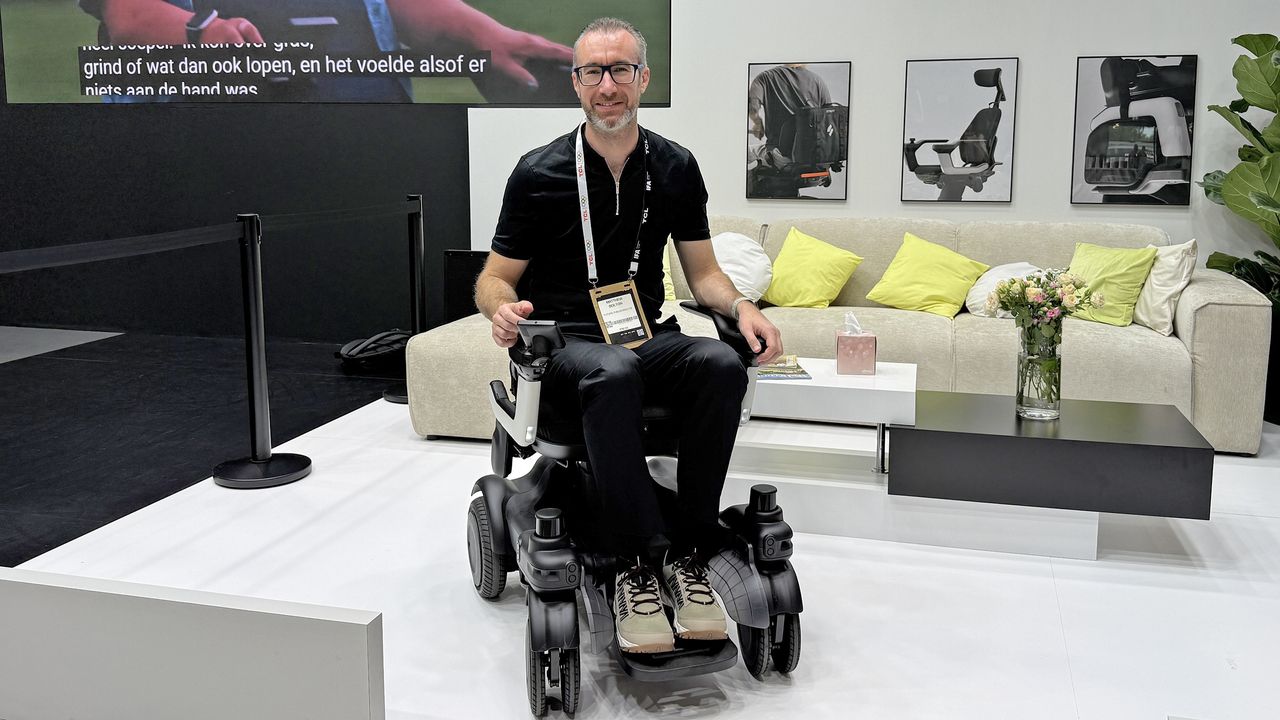
At IFA 2026, the Strutt ev1c personal mobility vehicle caught the reporter's attention. This wheelchair/scooter combines technology from robot vacuums and self-driving cars, enabling users to navigate their home without manual control. The vehicle uses cameras and LiDAR sensors to create a map of the environment, distinguishing between static objects like walls and dynamic ones such as people and pets.
Users can set waypoints within the home, allowing the chair to autonomously drive them between locations using a touchscreen or voice commands. The ev1c can also operate in a "Follow me" mode, trailing behind the user who is walking. While this feature is still in testing, it shows promise for future updates. The vehicle's self-driving capabilities are impressive, with smooth and precise navigation around furniture and obstacles.
When in manual control, the chair offers a "Co-Pilot" feature that prevents collisions by coming to a gradual stop when near an object, rather than abruptly braking. Other helpful features for manual control include a reversing camera and cruise control. The ev1c can reach speeds of up to 8mph and has a battery range of around 20 miles on various terrains, including grass, gravel, and inclines up to 13°.
The vehicle is foldable for easy transportation and comes with a five-piece breakdown system. Priced at $7,499 / £5,995 / AU$9,999, it may be expensive, but potential subsidies could make it more accessible.
Written by urgent.news from TechRadar's reporting — not their text. Machine-written — may contain errors; check the original before relying on it.