I asked ChatGPT, Gemini, Claude and Perplexity to rank the 10 jobs most likely to be replaced by AI — here's what they all agreed on
After asking four chatbots to rank the 10 jobs that are most at risk of being replaced by AI and taken away from human hands, there was one job they all chose.
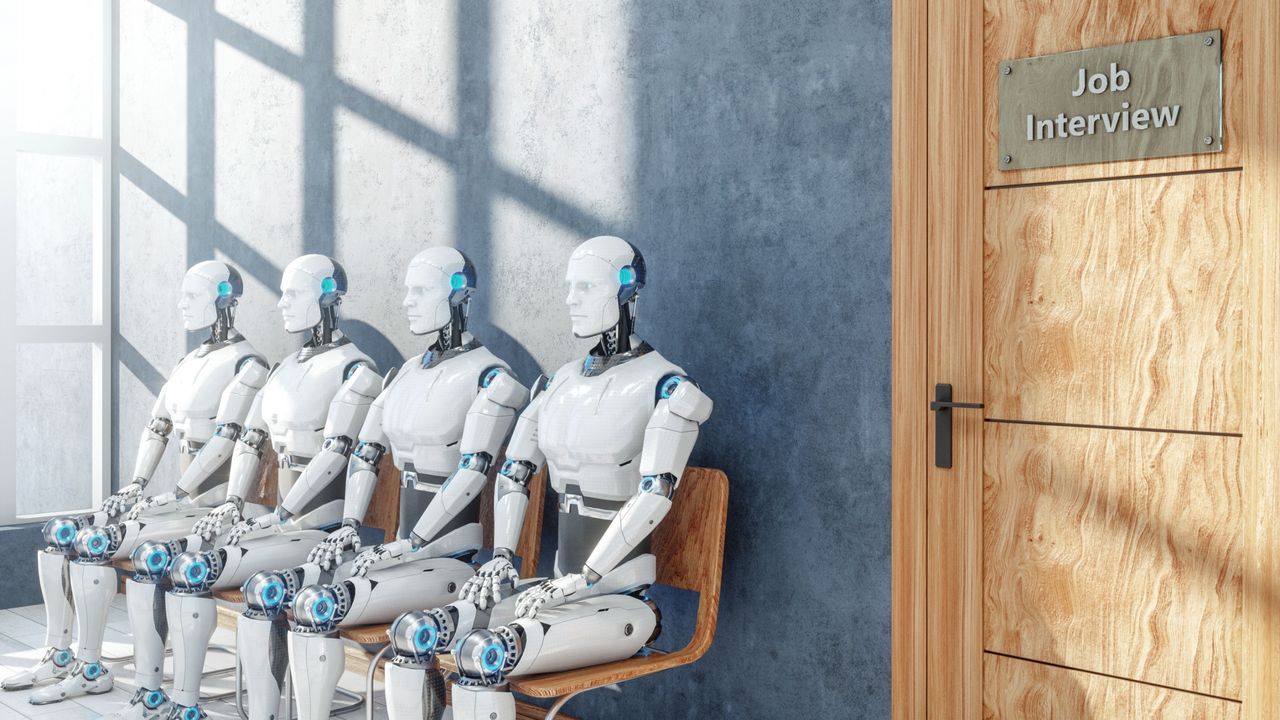
In a recent experiment, four AI chatbots - ChatGPT, Gemini, Claude and Perplexity - were asked to rank the 10 jobs most likely to be replaced by AI. The results showed that all four chatbots agreed on one particular job being at highest risk of automation. This job was customer service representative, as cited by ChatGPT, Gemini, Claude and Perplexity.
Perplexity provided an explanation for this prediction, stating that chatbots and voice agents are capable of efficiently handling routine tasks such as answering FAQs, checking order status, resetting accounts, scheduling appointments, conducting simple returns, and triaging tickets around-the-clock. Despite the chatbots' findings, some people might still prefer human interaction in such roles, as evidenced by Chase Bank's commercials that emphasize the human touch in customer service.
Other jobs that appeared frequently in the chatbots' rankings included data-entry clerk, telemarketer, bookkeeping/accounting clerk, copywriter/content writer, paralegal/legal assistant, junior software developer, translators & localization clerks, interpreters & translators, and data-entry keyers & document-processing clerks. These roles were chosen due to their reliance on structured rules, data retrieval, standard text generation, or routine transactions.
The AI experts emphasized that the danger lies not in AI becoming conscious, but in redefining consciousness to the point where machines appear sentient. They noted that jobs requiring physical dexterity, complex emotional intelligence, high-stakes strategic accountability, or manual trade skills - such as healthcare providers, electricians, plumbers, and senior strategists - are less likely to be fully automated by AI.
The fear is that humans will come to rely on AI for these predictable, rule-based roles, while the more complex and nuanced aspects of work remain in human hands.
Written by urgent.news from Tom's Guide's reporting — not their text. Machine-written — may contain errors; check the original before relying on it.