Hummingbirds are getting ready to migrate: 3 things you must do in your yard right now
How to help hummingbirds prepare for fall migration — and why taking feeders down too early is a huge mistake.
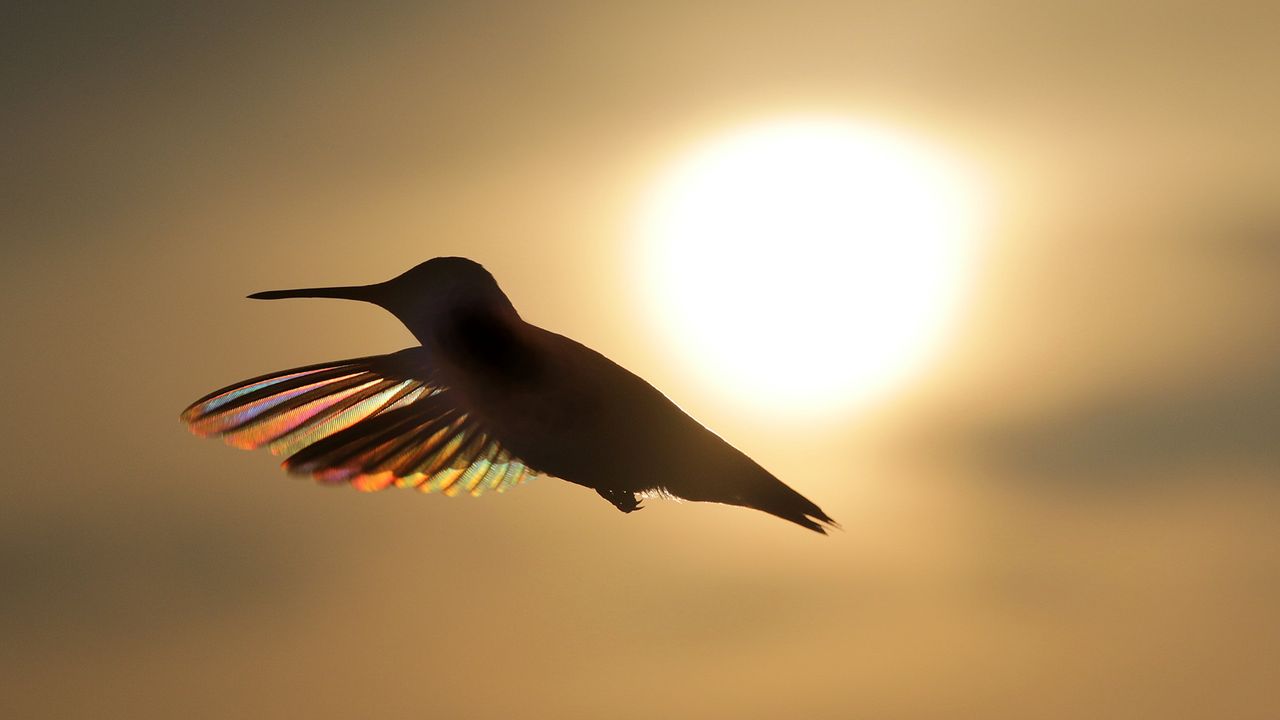
As summer gives way to autumn, North America's tiniest birds start gearing up for one of the most arduous journeys in the animal world. To reach their wintering grounds in Mexico and Central America, many hummingbirds must pack on enough energy for non-stop flights, some of which span half a thousand miles across open water. While natural signals like shorter daylight hours trigger their departure, backyard bird feeders offer crucial, high-energy refueling points along their migratory route.
The sheer physical demands of migration underscore why suburban backyards are vital in the fall. In the weeks preceding their departure, hummingbirds enter a state of extreme hyperphagia, consuming food ceaselessly to pack on twenty-five to forty percent of their body weight in fat reserves. This rapid fat accumulation is vital, as their diminutive bodies burn energy at an astonishing rate.
Migration unfolds in staggered waves, beginning with adult males in late summer, followed by females, and concluding with young birds making their inaugural journey for the year well into the fall.
To assist hummingbirds in preparing for migration, here are three essential steps to undertake in your yard right now:
1. Keep your feeders clean and fresh. Providing safe, reliable nutrition to passing migrants is crucial, as these birds rely heavily on local yards for quick refueling. The intense summer heat can cause nectar to ferment or develop toxic black mold, which deters hungry visitors and can spread lethal tongue infections. To maintain feeder hygiene, scrub them thoroughly with hot water and a bottle brush every few days, ensuring they are free from harmful bacteria. Refill the feeder with freshly prepared nectar to keep migrating hummingbirds well-fed.
2. Adhere to the traditional nectar formula. When making nectar at home, strictly follow the classic recipe that mirrors natural flower nectar. Combine four parts boiling water with one part pure white granulated sugar, stirring until the sugar is completely dissolved. Allow the mixture to cool completely before filling your feeder. Avoid using honey, brown sugar, artificial sweeteners, or red food dye, as these additives can cause fatal organ damage or infections in hummingbirds.
3. Do not remove your feeders too early in the fall. The most significant error made by bird enthusiasts in the autumn months is taking down their feeders prematurely out of concern that an abundance of food might trap birds during cold weather. However, leading ornithologists from organizations like the National Audubon Society affirm that food availability does not prevent hummingbirds from migrating.
Their instinct to head south is driven solely by internal biological clocks and the gradual reduction of daylight hours. By leaving your feeders up through October, or until a span of two full weeks passes without spotting a hummingbird, you provide a vital energy source for northern stragglers and late-season migrants traversing your neighborhood.
Written by urgent.news from Tom's Guide's reporting — not their text. Machine-written — may contain errors; check the original before relying on it.