How intense rains in the Grand Canyon turned into a deadly disaster
Flash flooding in the Arizona tourist destination was probably triggered by compounding climate factors, such as drought and warming in Pacific Ocean.
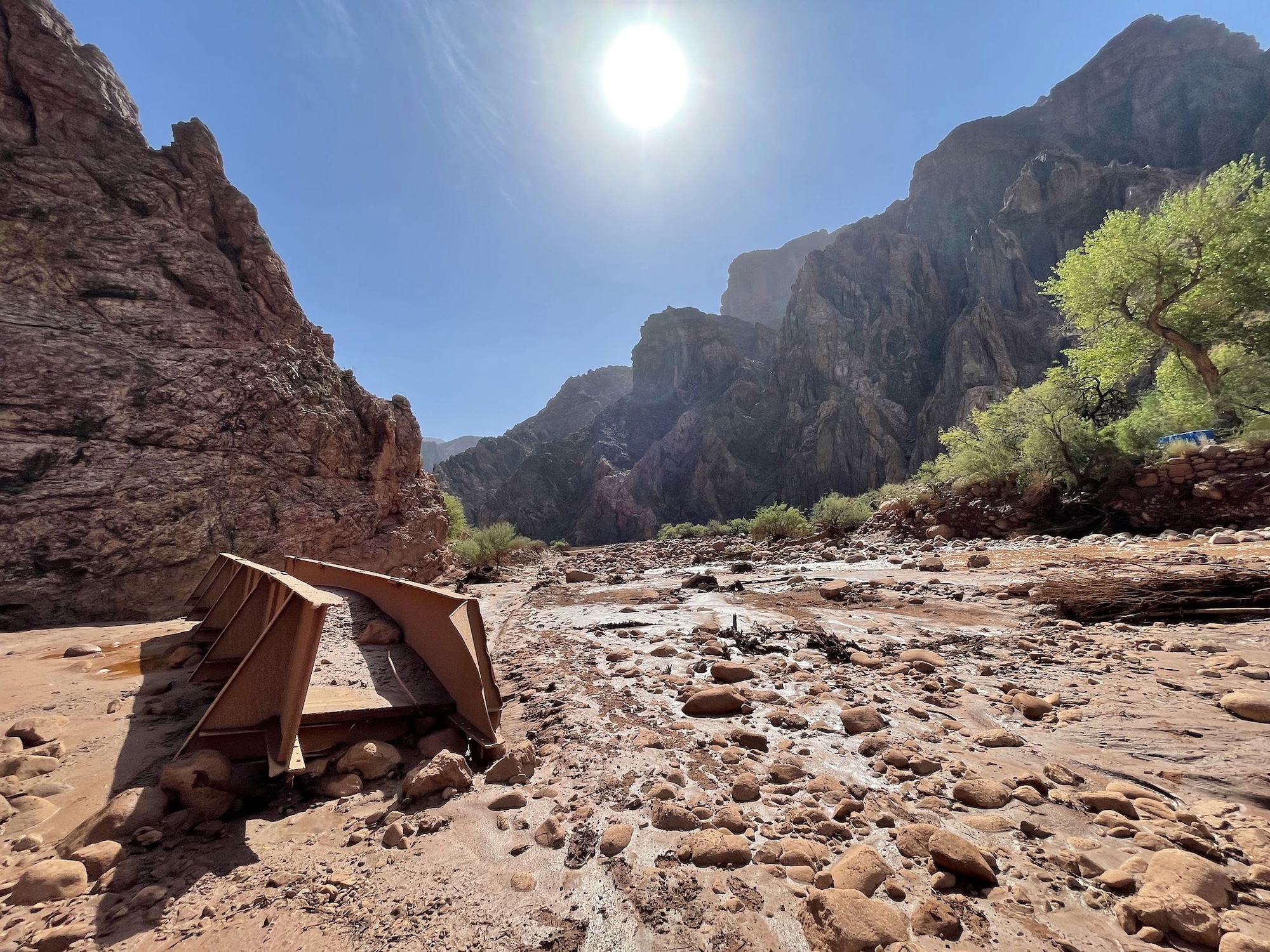
A deadly flash flood struck the Grand Canyon over the weekend, likely triggered by a combination of climate factors such as drought, wildfire damage, and warming temperatures in the Pacific Ocean. At least two people died, nearly 80 were rescued, and one remains missing after a torrent of water and debris swept through the popular tourist spot on Saturday.
The surge hit Bright Angel Creek, fueled by heavy rain that hit the national park's monsoon season area from June to September. Flash floods are common in the region during this time when strong rains inundate arid landscapes and rapidly fill narrow rock formations. The steep, rocky nature of the canyon funnels water quickly, turning downpours into a rapid wall of water.
The storm also impacted the Dragon Bravo wildfire burn scar, where runoff from the July 2025 fire tends to flow more rapidly due to barren slopes. While the extent to which the fire's long-term damage contributed to the disaster is unclear, federal models suggested runoff risks were two to eight times greater upstream of Phantom Creek.
Park officials had concerns about stronger storms creating dangerous conditions near the burned areas. Hikers evacuated by helicopter reported the creek turning black as it filled with runoff. Scientists have warned that the climate crisis will create more extreme and destructive events, with compound extremes becoming more frequent due to the combination of contributing factors.
Written by urgent.news from Grist's reporting — not their text. Machine-written — may contain errors; check the original before relying on it.