Higher food prices push up Sensitive Price Index
KARACHI: Consumers continue to face hardships in buying various commodities as the weekly inflation, measured by the Sensitive Price Index (SPI), rose 8.35 per cent for the week ending on Sept 3 year-on-year, showed data on Friday. According to data released by the Pakistan Bureau of Statistics (PBS) the SPI increased by 0.65pc week-on-week. Prices of items increased week-on-week, including…
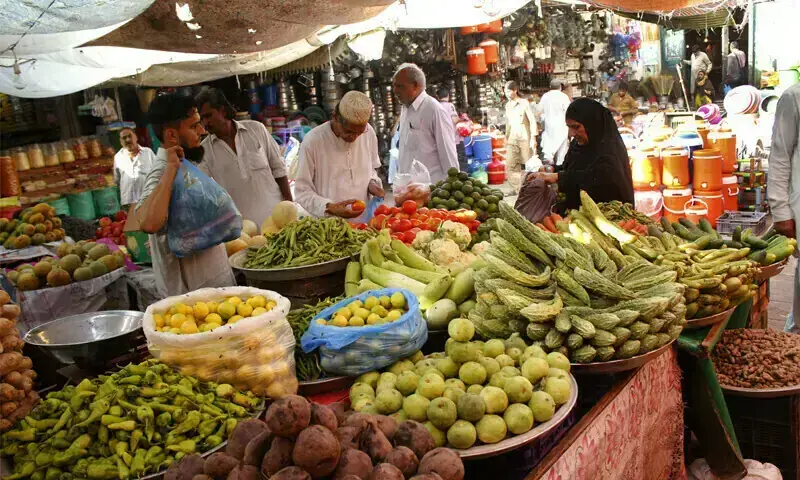
KARACHI - The cost of living continues to burden consumers in Pakistan, as the weekly inflation, as measured by the Sensitive Price Index (SPI), surged by 8.35 percent year-on-year, according to data released on Friday. The SPI climbed by 0.65 percent from the previous week, with a range of prices creeping up. This includes onions growing by 26.30 percent, tomatoes by 2.55 percent, potatoes by 0.96 percent, petrol by 0.90 percent, wheat flour by 0.88 percent, chicken by 0.85 percent, pulse mash by 0.67 percent, garlic by 0.18 percent, mustard oil by 0.13 percent, and diesel by 0.09 percent.
Notably, there were significant year-on-year increases in the costs of onions (162.75 percent), LPG (53.61 percent), diesel (37.70 percent), petrol (31.01 percent), electricity for Q1 (25.24 percent), wheat flour (16.86 percent), chilli powder (16.37 percent), bananas (16.07 percent), mutton (16.03 percent), beef (13.31 percent), fresh milk (8.21 percent), and plain bread (8.09 percent).
Currently, onion prices in Pakistan range from Rs160-280 per kg, up from Rs110-250 last week. Tomato prices have slightly improved, with the national average at Rs120-280 per kg, while Islamabad and Rawalpindi residents are paying up to Rs220-280 per kg. Local supply issues, such as slow deliveries of Iranian tomatoes and delays due to disturbances in Balochistan, have contributed to the situation.
Middlemen and retailers have exacerbated the prices by taking advantage of the demand-supply imbalance.
Written by urgent.news from Dawn Business's reporting — not their text. Machine-written — may contain errors; check the original before relying on it.