Has Reform managed to win over the City?
Reform UK officials hope that its first-ever Business Day paid dividends at its conference. Maurício Alencar reports on a dramatic 72 hours in Birmingham and asks whether industry chiefs are satisfied with what they’ve heard and seen. Asked for an umbrella phrase to describe Reform’s economic philosophy, policy guru Dr James Orr responded that the [...]
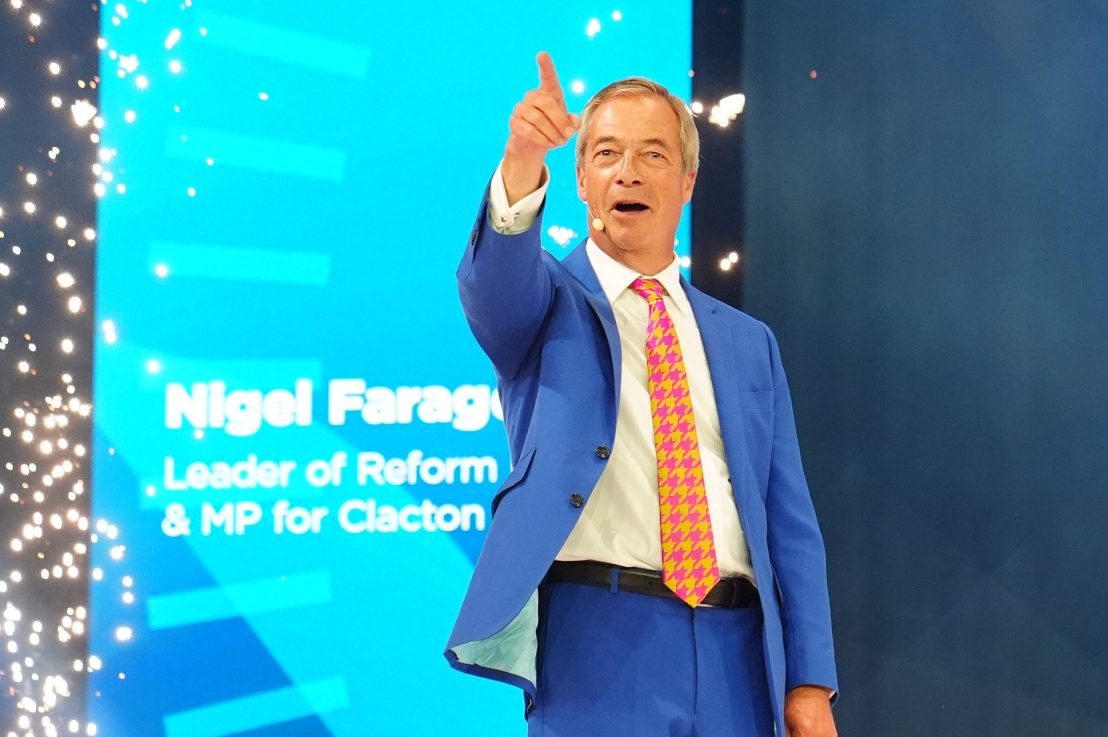
Reform UK officials expressed optimism that their inaugural Business Day made a positive impact during the conference held in Birmingham. The event spanned three dramatic days, during which industry leaders gathered to assess the party's economic ideology and policies. Dr James Orr, a policy guru for Reform, described the party's economic philosophy as "The New Right," a blend of "old right" and "new right" ideologies.
Orr emphasized patriotism, a sense of collective responsibility, and a "basic love of home" as core principles of the New Right.
However, the party's message appeared challenging to convey to industry professionals, some of whom were bewildered by Reform's economic vision. Financial services representatives, in particular, were intrigued by Robert Jenrick, the party's economic spokesman, who addressed red tape and tax during his address. Despite Nigel Farage's prior remarks at Davos about taxing banks, sources indicated that the party did not endorse tax hikes on banks and was more likely to adhere to a pledge to eliminate Bank of England remuneration payments on commercial bank reserves.
Reform also hinted at potential reforms for the financial and professional services sectors, including deregulation of capital requirements and ring-fencing. Moreover, the party planned to revise the Britannia Card, an offer for wealthy foreign investors who have departed the country. Nonetheless, Reform's progress in securing support from banking delegates remained uncertain, as the party might not face significant resistance regarding banking taxes due to Chancellor John Healey preparing to deliver the Budget.
Nonetheless, the Reform team's efforts to court businesses encountered challenges when undercover activists from Channel 4 News captured Orr and Dan Jukes, Farage's closest aide, allegedly discussing a foreign donation through a middleman. The sting operation also featured remarks about the ease of evading detection. Farage appeared unfazed at the dinner, joking about conflicts with FTSE 250 executives such as Vodafone and Serco. However, observers noted that he seemed less energetic than usual.
Consequently, Orr and Jukes were suspended pending an investigation, and party chairman Lee Anderson announced that they would not regain their positions within the administration. At a hastily convened press conference, Anderson attempted to deflect questions about the party's finances and the alleged misconduct of two top officials, asserting that Reform had not received illicit funds.
The investigation created a sense of unease among some party officials, with one source questioning why Orr and Jukes would take such significant risks for a proposed £35,000 donation when the party had already amassed substantial reserves through crypto investor donations.
The aftermath of the investigation exposed several paradoxes within Reform's agenda. While Farage defended the party against perceived attacks, he acknowledged that some officials may have engaged in potentially improper behavior, pending the investigation's conclusion. Jenrick pledged that Reform would deliver a budget within the first 100 days, yet the party's stance on supporting wealthy individuals and vulnerable citizens remained contradictory.
Orr claimed that the party had an intellectual philosophy, but his newly-formed team of policy experts lacked a leader to guide them.
Reform had criticized Chancellor Healey over his reluctance to commit to increased defense spending, yet the party lacked a designated spokesman for defense. The party's defenders argued that it was still in a growth phase, addressing weaknesses and striving to become a more professional organization. Despite positive feedback from many industry figures regarding the conference, some fringe events experienced logistical issues, and organizers reported bureaucratic hurdles in securing meetings with Reform officials, even after personal agreements had been made.
Written by urgent.news from City AM's reporting — not their text. Machine-written — may contain errors; check the original before relying on it.