Gen Z’s politics aren’t what people think
After 12 years of dominating American politics — either as president, as a candidate, or from the sidelines — Donald Trump will finally exit the stage in 2028, and it’s anybody’s guess what will come next. But one thing we do know is that Gen Z, many of whom were children during Trump’s first campaign, […]
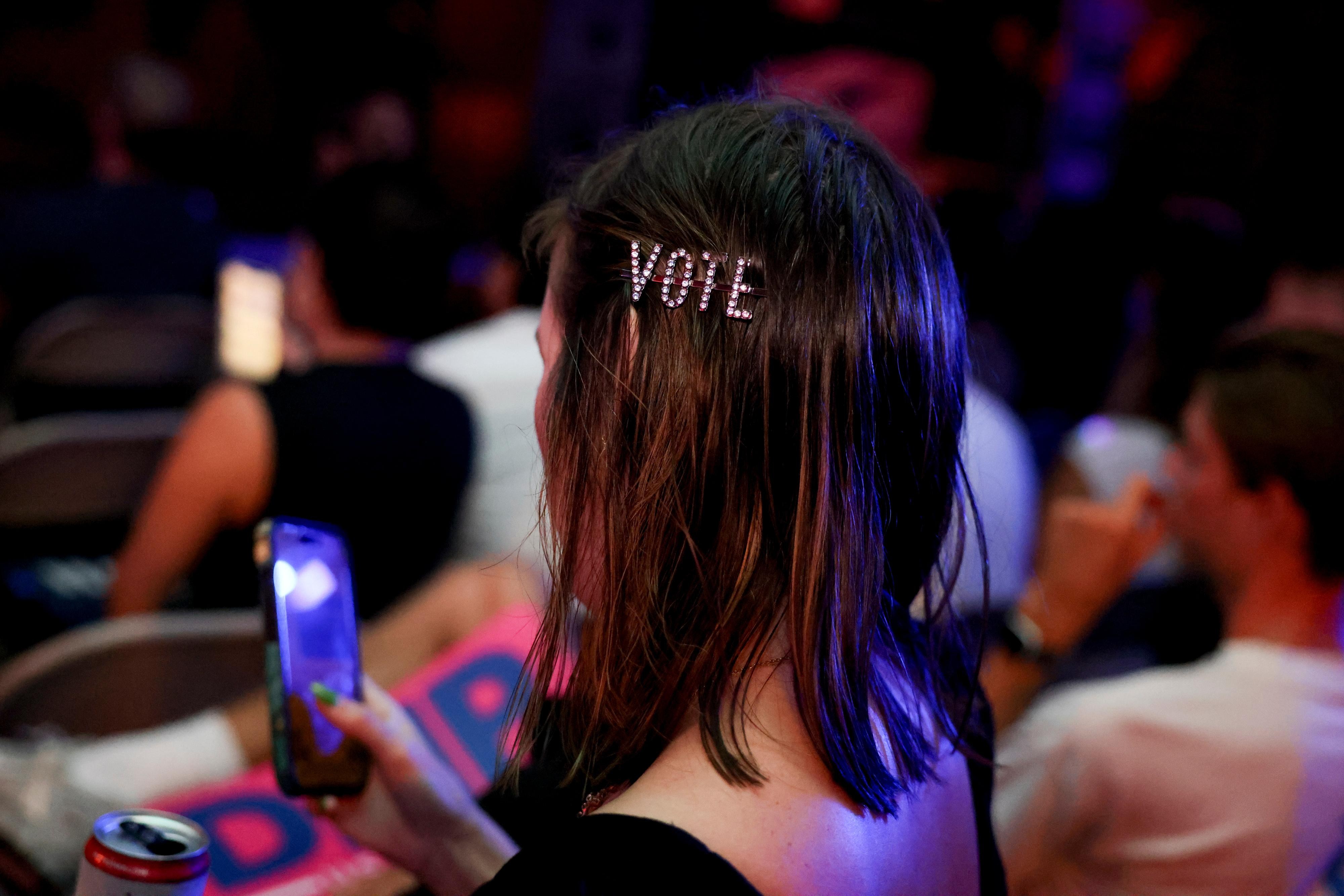
The year 2028 will mark the end of Donald Trump's political career, leaving Gen Z to play a significant role in shaping the future political landscape. However, their political identity remains unclear. A Vox collaboration with polling firm Murmuration reveals some insights into Gen Z's political landscape. Sixty percent of Gen Z respondents identified as "none of the above" when asked to choose their political label.
Economically insecure, only 28% of Gen Z respondents aged 18-30 could afford an unexpected $500 expense. Notably, women in this age group supported Democratic nominee Kamala Harris by 17 percentage points over men. To delve deeper, America, Actually host Astead Herndon spoke with Gen Z researcher Rachel Janfaza, who discussed Gen Z's political identities, preferences, and top issues.
Janfaza introduced the concept of "Gen Z 1.0" and "Gen Z 2.0," distinguishing two distinct cohorts based on their age and political experiences. Gen Z 1.0, born between 1997-2002, came of age during Trump's first term, which marked the rise of youth-led activism and protests. In contrast, Gen Z 2.0, born between 2003-2012, grew up during the Biden era, facing challenges like mask mandates and vaccine mandates.
This cohort tends to be more independent, distrustful of authority, and less willing to label themselves politically. The gender gap among Gen Z voters is another intriguing aspect. In the 2024 election, young women overwhelmingly supported Democratic nominee Kamala Harris, while men showed a shift to the right. Factors driving this gap include concerns over bodily autonomy and reproductive rights, which disproportionately affected women.
Overall, Gen Z's political landscape is complex and evolving, with future implications that remain to be seen.
Written by urgent.news from Vox's reporting — not their text. Machine-written — may contain errors; check the original before relying on it.