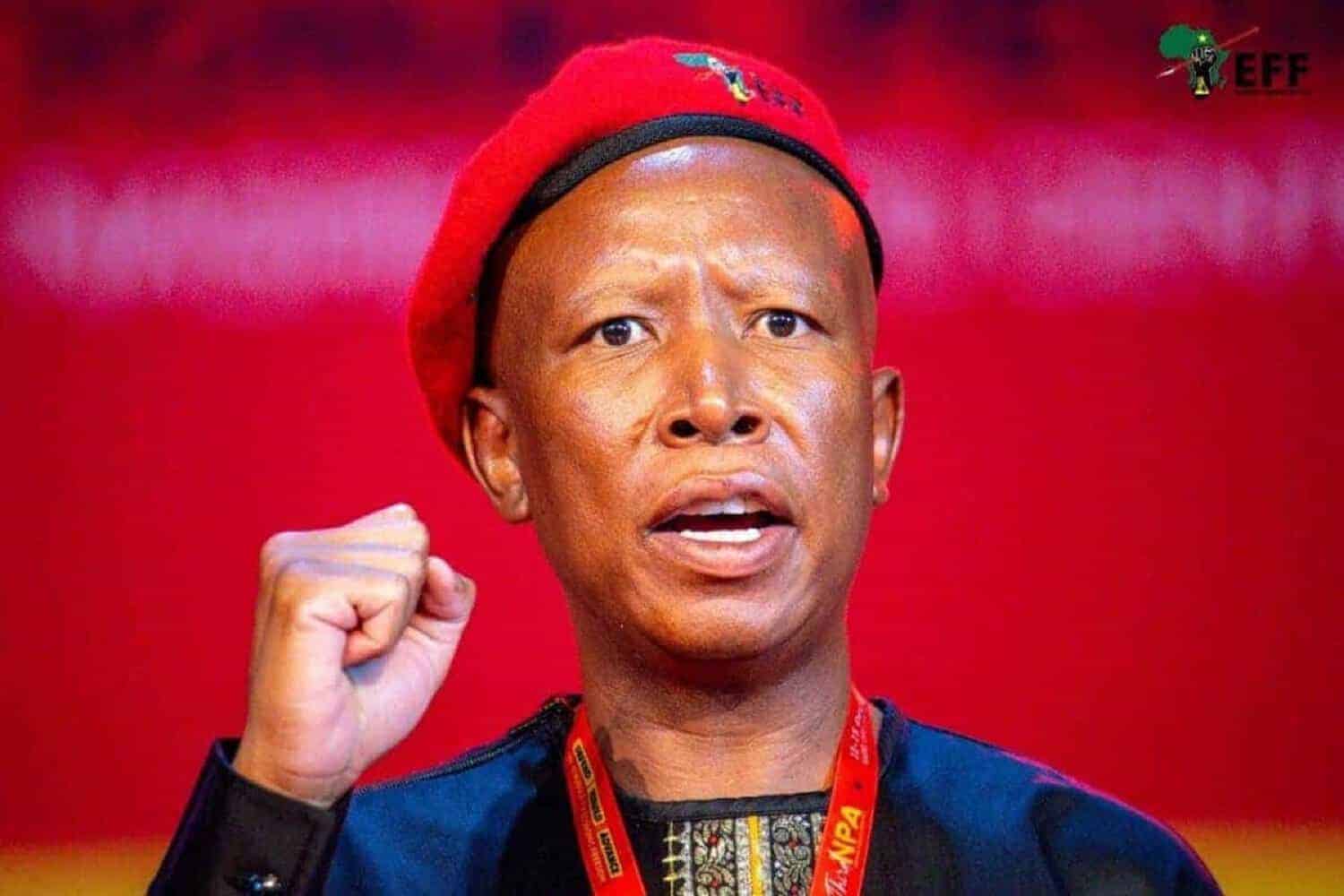
Flirting with an old enemy: the risks of US links Islamic State alumni
In delisting Syria, the U. S. administration is wagering that the former Islamist militant has changed and can work with the U. S. in areas of foreign policy, economics and even possibly defense.
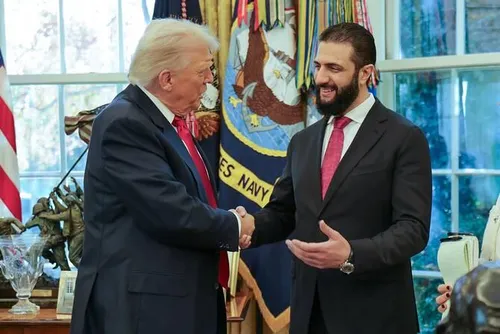
Syria's removal from the U.S. State Department's list of state sponsors of terrorism in August 2026 was a significant move that opens the door for American investment in the country. President Ahmed al-Sharaa, who was once designated as a terrorist, now heads the Syrian government and is seen as a potential ally by the U.S. administration. This decision also removes ISIS's leader, Abu Bakr al-Baghdadi, from the terrorist list, as he was once a high-ranking member of Syria's Nusra Front.
However, the U.S. administration's bet on al-Sharaa's potential cooperation comes with risks. Al-Sharaa's former Islamist militant background makes him a target for hardliners within Syria's security forces, who could potentially break ranks and join extremist groups like ISIS. The possibility of a shift back to Russian influence in Syria is also a concern, as Russia still has a military presence in the country and al-Sharaa recently visited Putin.
Critics argue that working with a government that has a high prevalence of former terrorists could have negative consequences for the U.S., including potential abuses of state power and a deterioration in international relations. Nevertheless, supporters of delisting argue that a Syrian government friendly to the West would reduce the country's dependence on Russia and could lead to a more stable regional dynamic.
Written by urgent.news from IOL's reporting — not their text. Machine-written — may contain errors; check the original before relying on it.