Fitch maintains Qatar’s credit rating and expects LNG exports to reach pre-war levels next year
Global agency Fitch Ratings has affirmed Qatar's credit rating at “AA” because of its strong economy and expects its liquefied natural gas exports to reach pre-war levels in the second half of next year. The agency also removed the Gulf nation from “Rating Watch Negative”, citing reduced risks to its liquefied natural gas units since March, while the outlook is kept at “negative”, with LNG…
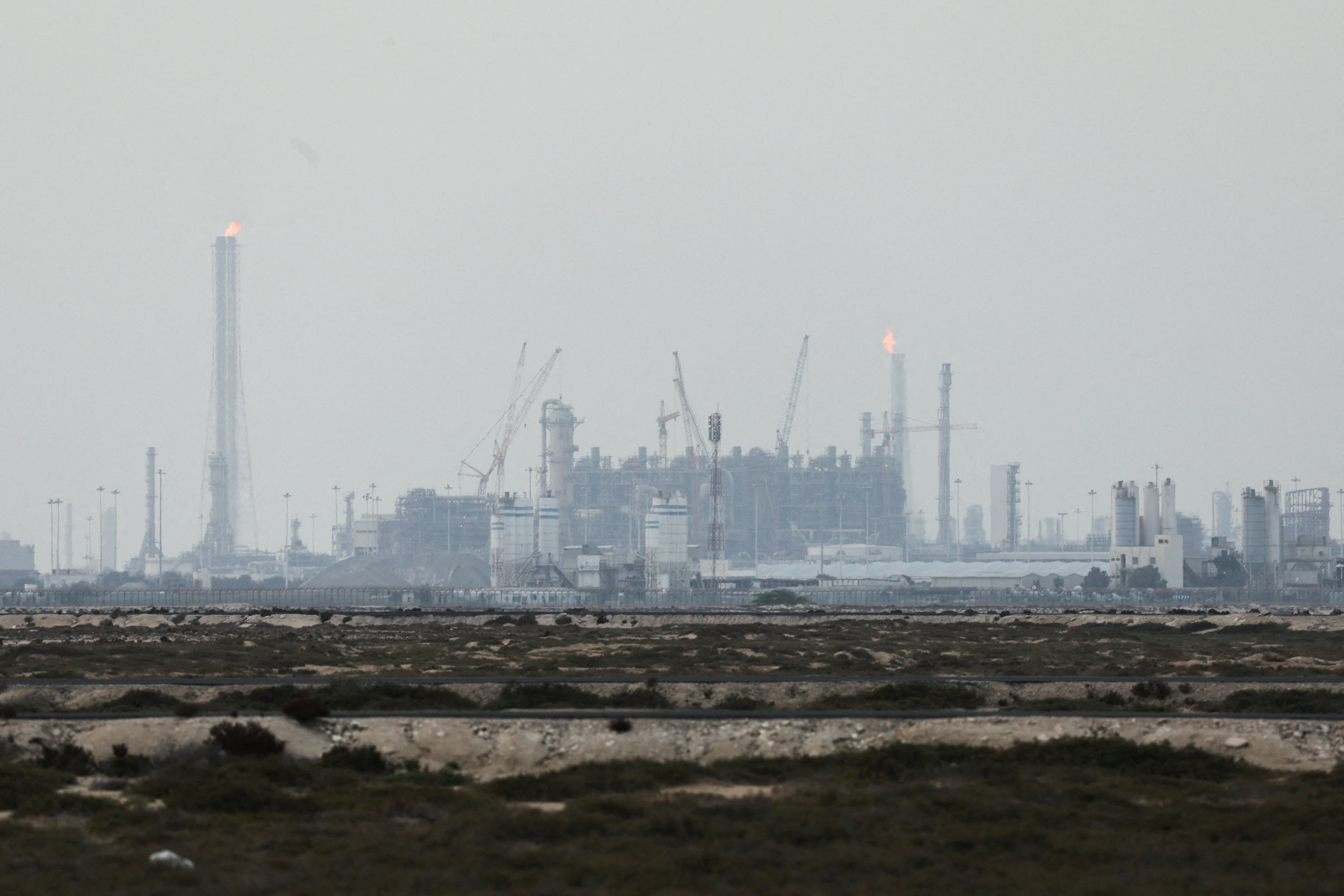
Global credit rating agency Fitch Ratings has maintained Qatar's credit rating at "AA" due to the nation's robust economy. Fitch anticipates Qatar's liquefied natural gas (LNG) exports will return to pre-war levels by the latter half of next year. The agency also downgraded Qatar from "Rating Watch Negative", attributing the improvement to a reduction in risks to LNG facilities since March.
This comes after Iran's missile strikes on Ras Laffan, the world's largest LNG refinery, damaged production capacity. While the geographic concentration and complexity of Qatar's LNG facilities pose a vulnerability, the risk of severe damage has decreased since the attacks. Nonetheless, the credit profile's impact on the overall rating will take longer to assess.
The outlook remains at "negative" due to ongoing disruptions in the Strait of Hormuz, which has historically been a critical pathway for global LNG and crude oil exports. Fitch projects that LNG exports will regain pre-war levels in the second half of next year, though it will take about three to five years to fully repair the damaged capacity.
Despite the geopolitical tensions between the US and Iran, Gulf and Middle Eastern states continue to monitor the situation closely. The International Monetary Fund recently lowered its 2026 growth forecast for the Middle East to 0.7%, a significant 1.2 percentage point decrease from April's estimate, primarily due to the Strait of Hormuz closure's impact on energy exports from Iraq, Kuwait, and Qatar.
However, the IMF projects a rebound to 6.5% growth in 2027, a substantial 1.9 percentage point increase from its previous projection.
Written by urgent.news from The National Business's reporting — not their text. Machine-written — may contain errors; check the original before relying on it.
Also reported by 3 other outlets
- Fitch maintains Qatar’s credit rating and expects LNG exports to reach pre-war levels next year thenationalnews.com
- Fitch removes Qatar from negative watch, maintains ‘AA’ rating as risks to LNG sites ease dohanews.co
- Qatar removed from Fitch’s negative watch list as risks to LNG sites ease aljazeera.com