Fermat’s last theorem formalised by AI agents in just 11 days
Converting the proof of Fermat's last theorem into code that computers can check was expected to take years – Anthropic's Claude AI managed it in less than two weeks
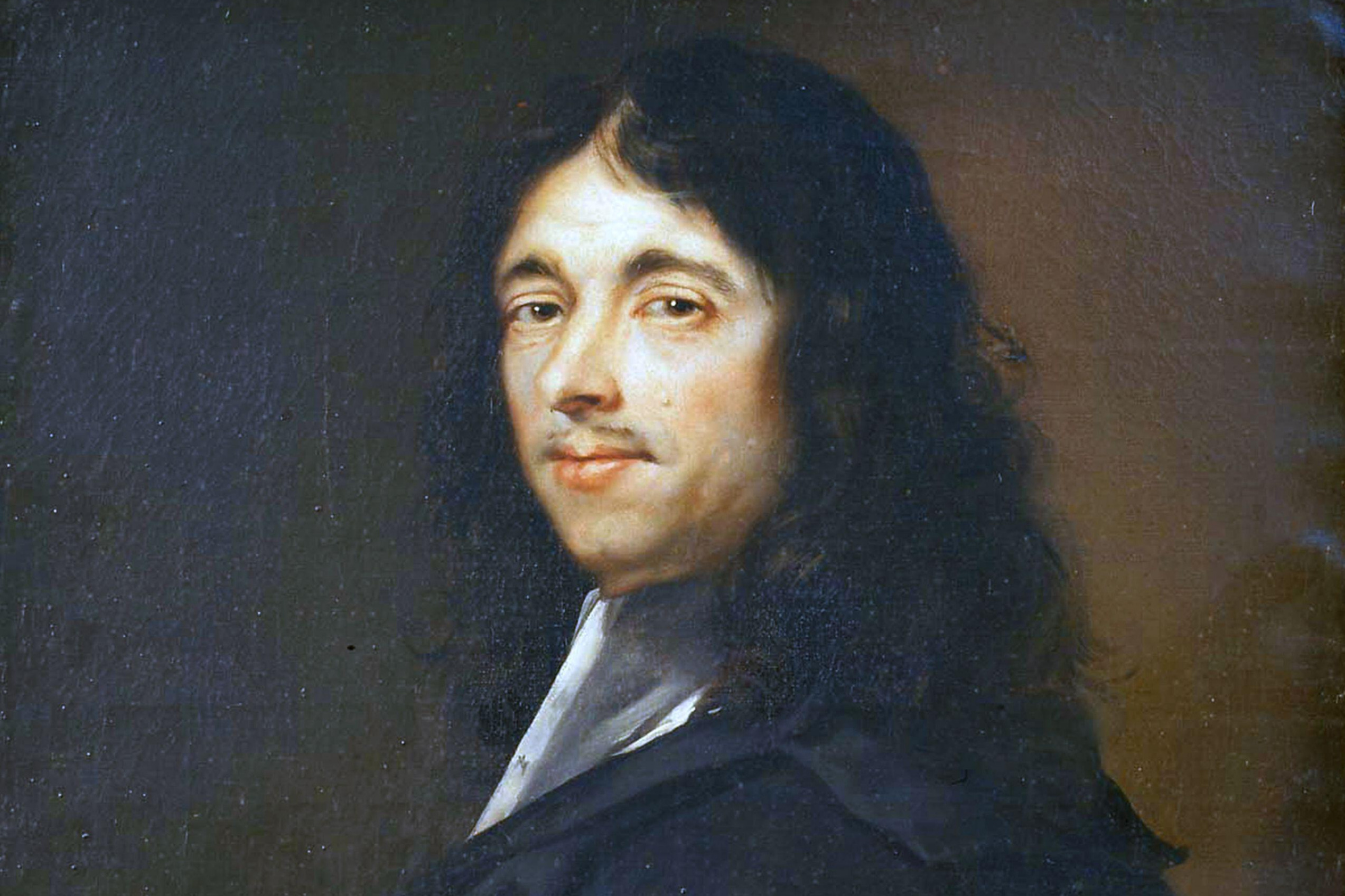
Anthropic's AI agents completed a formal proof of Fermat's Last Theorem in just 11 days, confirming the validity of the human-proposed proof from the 1990s. Fermat's Last Theorem, which states that there are no whole numbers a, b, and c that satisfy the equation a^n + b^n = c^n for n > 2, puzzled mathematicians for centuries. Despite many attempts, it was finally proven by Andrew Wiles in 1995.
Mathematicians have long sought ways to formalize mathematical theorems, but the process often involves lengthy logical arguments that can collapse if a single step contains an error. Anthropic's proof, written by a team of AI agents working autonomously, consists of 13 million lines of code in the Lean programming language and covers 29,500 intermediate theorems.
The success of this proof marks a significant milestone in the automatic formalization of mathematical literature, as many other proofs rely on a small number of intermediate theorems.
Written by urgent.news from New Scientist's reporting — not their text. Machine-written — may contain errors; check the original before relying on it.
This story
This is one outlet's version. Read the fullest account.
- Anthropic's Claude is Coming to CarPlay macrumors.com
- Fermat’s Last Theorem in Lean: The Community Project and Claude’s Real Role dev.to
- Anthropic uses Claude to formalize proof of Fermat’s Last Theorem siliconangle.com
- Anthropic says Claude worked "largely autonomously" over 11 days to formalize the proof of Fermat's Last Theorem in the Lean programming language (Anthropic) anthropic.com
- Sources: Anthropic is expected to make its IPO prospectus public late September and complete the listing days before the US midterm elections in November (Echo Wang/Reuters) reuters.com