Author Lise Barnéoud on the bizarre and provoking world of microchimerism — when cells from one person live in another, genetically distinct individual
Journalist and author Lise Barnéoud talks to Live Science about her book "Hidden Guests," which dives into the field of microchimerism and how it's transforming our knowledge of genetics, immunology and evolution.
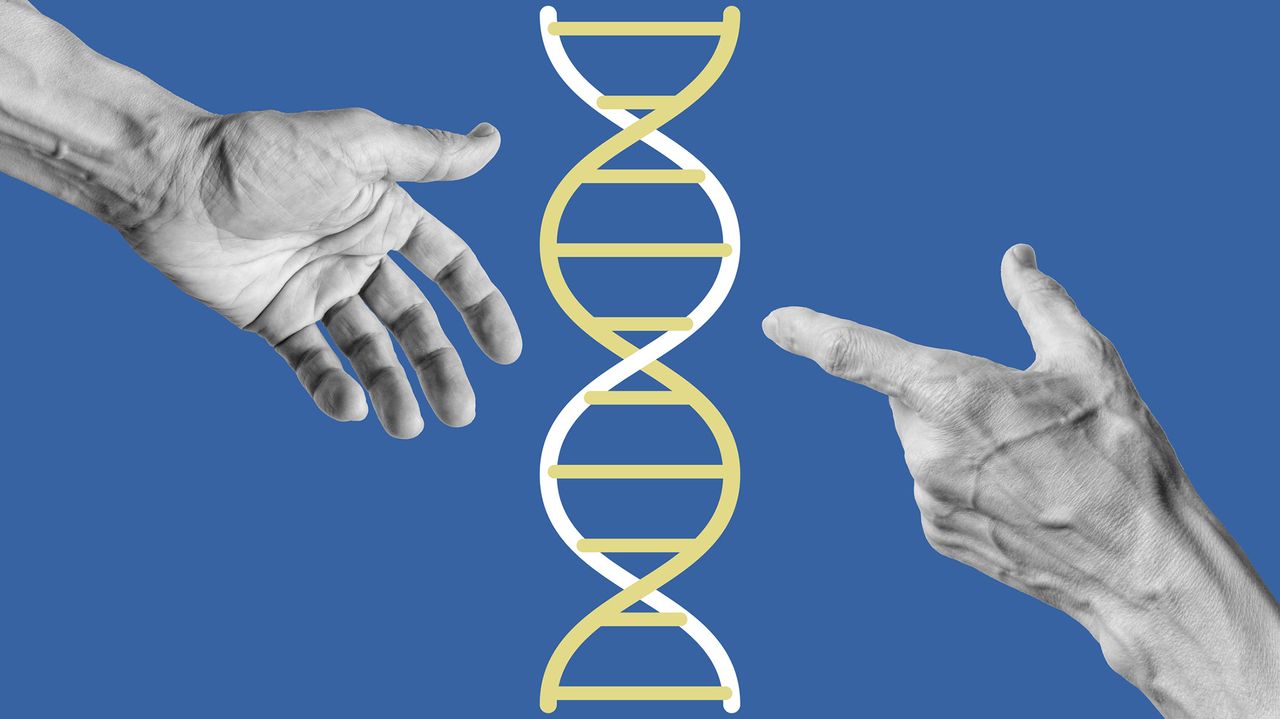
Lise Barnéoud, author of the book Hidden Guests, delves into the fascinating and controversial world of microchimerism - the phenomenon where cells from one person live within another, genetically distinct individual. Over the past century, German pathologist Georg Schmorl first documented this strange occurrence, where cells from a fetus move into the mother during pregnancy.
In recent decades, advancements in technology have allowed scientists to better understand microchimerism and its implications, which range from unexpected genetic connections to complex immunological interactions.
In her book, Barnéoud explores the history of microchimerism research and how scientists have grappled with understanding the phenomenon and its significance. She explains how microchimerism challenges traditional views of the immune system as a purely defensive mechanism, and instead suggests that these foreign cells can actively multiply, produce proteins, and influence physiology in beneficial or harmful ways.
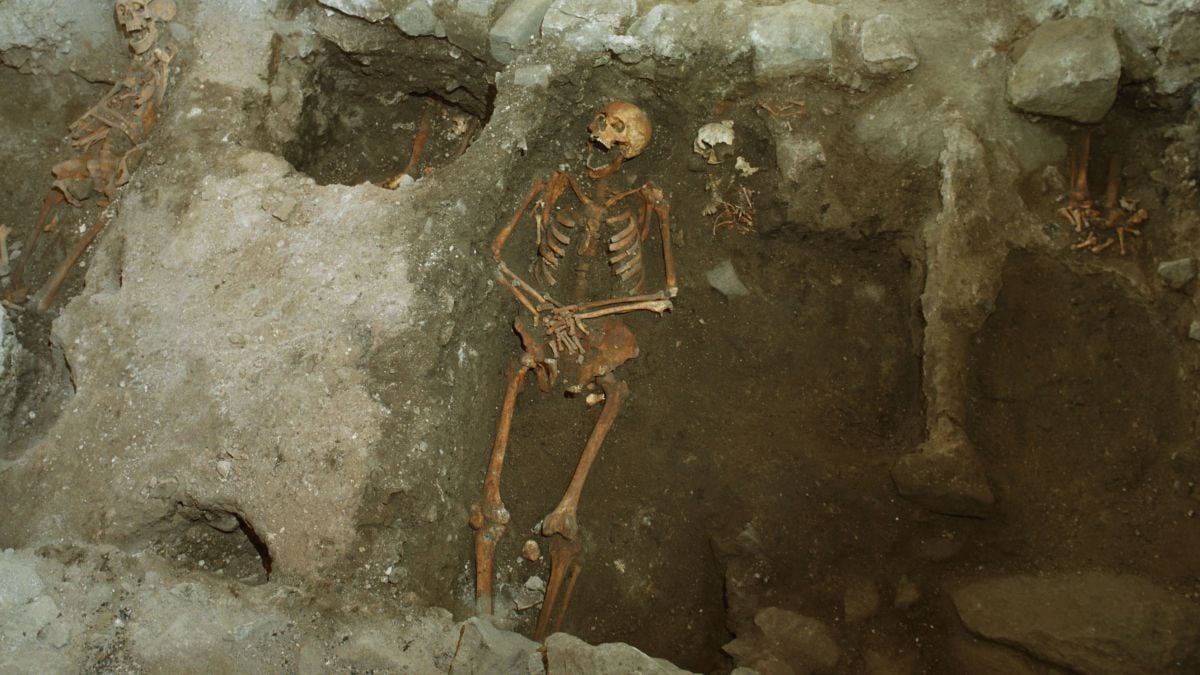
Barnéoud highlights several key examples of microchimerism, including cells from a grandmother passing down through generations, a lost twin leaving a genetic trace within the womb, and a man absorbing the DNA of a bone marrow transplant donor. These cases demonstrate the far-reaching implications of microchimerism in fields such as immunology, genetics, and evolution.
In her conversation with Hannah Osborne, Barnéoud discusses the challenges faced by the field, such as limited technology and the need to challenge traditional immune system theories. She also shares a particularly impactful story about Lydia Fairchild, who nearly lost custody of her children due to microchimerism, as her DNA test showed she could carry a child not biologically her own.
This anecdote underscores the potential legal and social implications of microchimerism and emphasizes the need for further research and understanding of this enigmatic phenomenon.
Written by urgent.news from Live Science's reporting — not their text. Machine-written — may contain errors; check the original before relying on it.