At DCAW, Delhi beyond its postcard image, seen through everyday life
At the Delhi Contemporary Art Week (DCAW) in New Delhi, the city is revealed as more than just its picturesque facade. Through the everyday lives of its inhabitants, the exhibition sheds light on the often-overlooked aspects of urban existence. Bikaner House, located near Lutyens’ Delhi, serves as the backdrop for the artworks featured during this year's event.
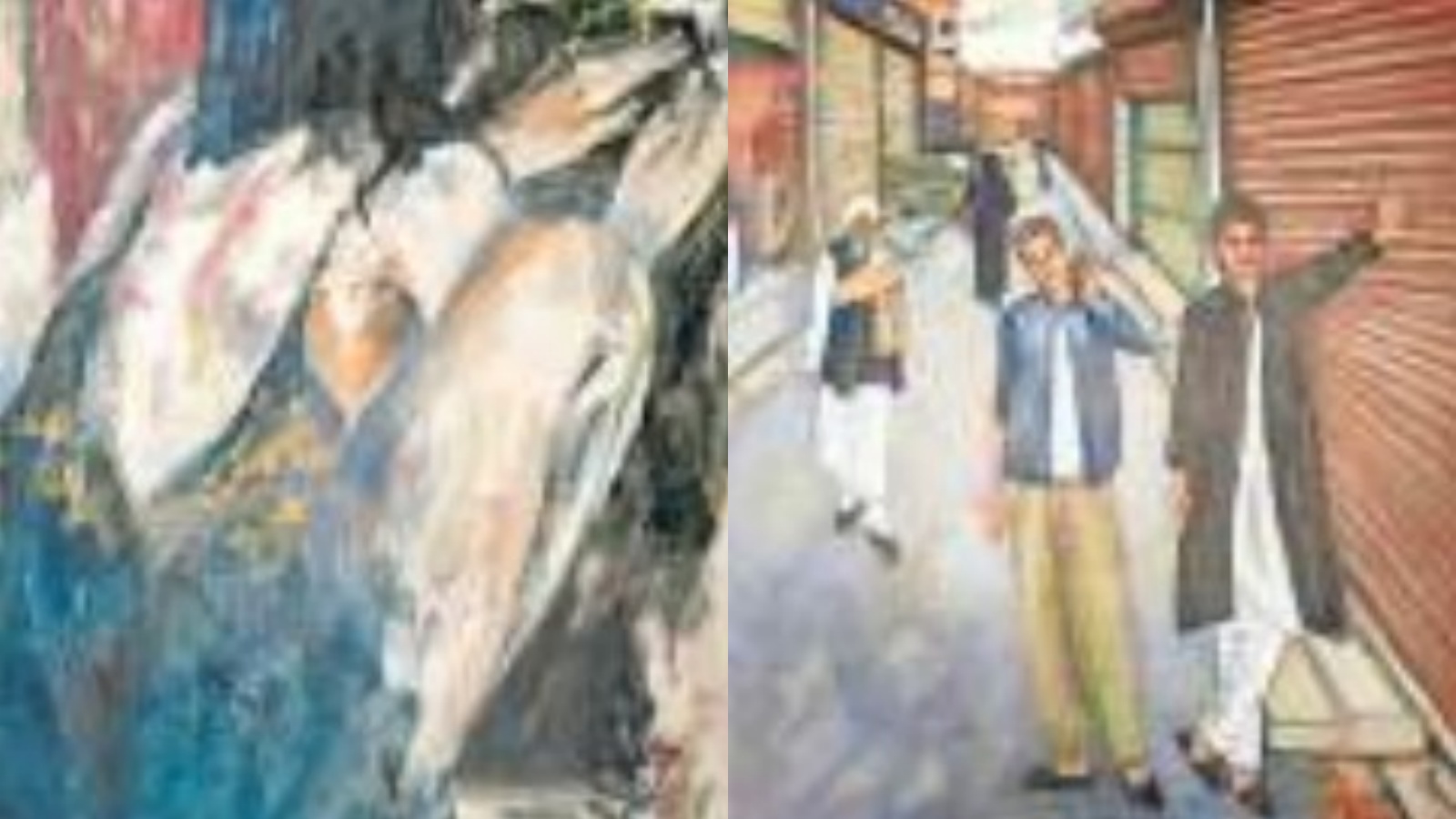
Shoenize Akhtar's installation, "Galli ke Ladke," invites viewers to observe the unassuming lives of everyday people. The young men depicted in the piece are seen in their ordinary routines, such as leaning against a shuttered shop or conversing on their phones. Akhtar's focus on these seemingly mundane moments demonstrates her interest in capturing the essence of the city's hidden narratives.
Ritika Sharma's "Getting Away" series presents unidentified individuals engaged in commonplace activities, such as disposing of trash, carrying suitcases, or simply walking. The artist's use of a CCTV camera viewpoint suggests the pervasive presence of surveillance in contemporary cities. Sharma's work emphasizes the impact of routine gestures and spaces on the lives of city dwellers, emphasizing the role of observation and perception in shaping our understanding of urban environments.
B Pradhan's sculptural installation, "Theatre of Labour," highlights the often-neglected workforce that forms the backbone of the city. The artist's focus on these workers underscores their indispensable contribution to the urban ecosystem. Through his sculpture, Pradhan invites viewers to contemplate the significance of labor and the often-unrecognized value of the city's workforce.
Shreeya Dwivedi's "Under the Sink" shifts the viewer's perspective from the city's macro-scale to its intimate domestic spaces. By painting herself cleaning a sink pipe, Dwivedi acknowledges the challenges and complexities of living alone in a city. The simple act of cleaning, which may appear mundane, becomes a symbol of the burdens and responsibilities that individuals carry in their daily lives.
Astha Butail's "Self Series" explores the intricate relationship between individuals and the city through the use of seven hexagonal mirrors placed in a horizontal line. The reflections created by these mirrors mirror the diverse identities people assume as they navigate the urban landscape. Butail's work prompts contemplation on the fluidity and complexity of personal and collective identities within the city.
These diverse works collectively present a multifaceted portrait of Delhi, showcasing its dreams, struggles, toil, and aspirations. By focusing on the everyday lives of its people, the exhibition transcends the typical images of monuments and master plans to reveal the city's true character. As DCAW comes to a close on September 5, it leaves a lasting impression on viewers, encouraging them to look beyond the familiar façade of Delhi and appreciate the city's vibrant and intricate fabric.
Written by urgent.news from The Indian Express's reporting — not their text. Machine-written — may contain errors; check the original before relying on it.