Ancient cave art discovery suggests first known humans in Ireland walked over from Wales
During the most recent Ice Age, researchers believe there was a "lost land bridge" between Wales and Ireland.
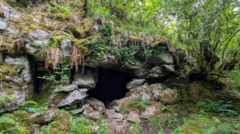
In a groundbreaking discovery, researchers believe the first humans to inhabit Ireland thousands of years ago may have migrated from Wales, according to a recent study. During the last Ice Age, a lost land bridge connected modern-day Pembrokeshire in Wales with the south-east tip of Ireland, around Rosslare. This pathway, which opened due to depleted sea levels, would have presented an opportunity too enticing for hunter-gatherers to ignore, according to Dr. George Nash from Liverpool University.
Nash, who coordinated the Lost Land Bridge Project, and an international team of experts have located eight cave sites in south-west Ireland featuring rock art dating back at least 15,000 years ago. This discovery pushes back the previous oldest evidence of humans in Ireland by around 5,000 years. The cave art includes engravings, paintings, and line sketches, which suggest a progression in human creativity and understanding of their surroundings.
The researchers identified the potential cave sites using artificial intelligence and digital mapping tools, analyzing over 28 caves in south-west Ireland. The team is cautious about detailing the cave locations to prevent vandalism or looting. The cave dwellings would have been warm, with year-round temperatures between 10°C and 15°C, providing a cozy refuge compared to the -20°C outside.
Nash believes the increasing population pressure led humans to move west and northwards in search of better resources. The discovery of these cave sites in Ireland indicates that early humans were not only utilizing the land bridge but also expanding their territories further. The project's findings suggest that there may be even earlier and more locations waiting to be discovered, marking a significant milestone in understanding the early human presence in Ireland.
Written by urgent.news from BBC Science's reporting — not their text. Machine-written — may contain errors; check the original before relying on it.
This story
This is one outlet's version. Read the fullest account.