Analysis: External debt rises, current account deficit widens
Several of the country’s external sustainability indicators have weakened, as reflected in a widening current account deficit and rising external debt and external debt-to-gross domestic product ratio. The development is not entirely unexpected, as the government has signaled a greater willingness to rely on debt financing to support its growth agenda.
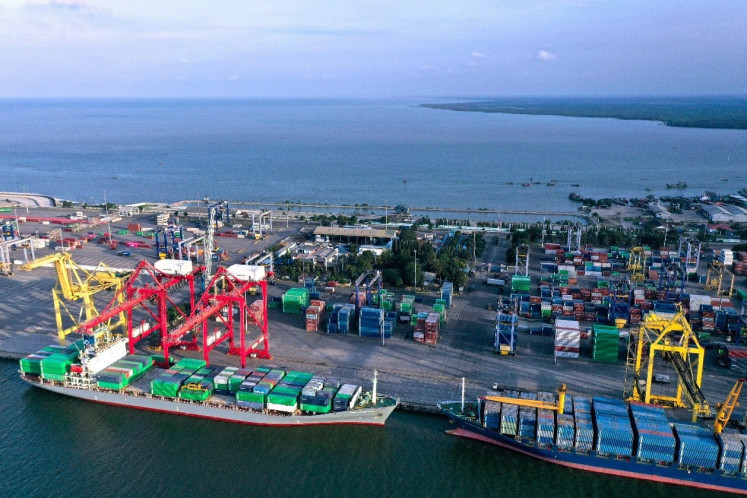
Indonesia's external debt and current account deficit are both on the rise, according to recent analysis. The country's current account deficit reached an alarming US$12.5 billion in the second quarter of 2026, or 3.3 percent of GDP. This is a significant increase from the previous quarter, when the deficit was only $3.6 billion, or 1.0 percent of GDP.
Moreover, the deficit surpassed the previous peak of $10.1 billion recorded in Q2 2013. The sharp deterioration occurred within just three months, with the deficit widening by approximately $8.9 billion in that period.
Bank Indonesia (BI) has attributed the deterioration to several factors. The oil and gas trade deficit has widened due to higher oil prices, while the non-oil and gas trade surplus has narrowed as imports increased. Additionally, the primary income deficit has become larger. Regarding external debt, it increased by 4.4 percent year-on-year to reach $453.4 billion in the second quarter of 2026.
The growth was primarily driven by higher government and central bank liabilities, although private sector external debt contracted at a slower pace.
BI noted that while government external debt grew at a moderate pace, the overall external debt-to-GDP ratio has risen from 29.6 percent in Q1 to 30.6 percent in Q2. This indicates that external debt is growing faster than nominal GDP. The analysis highlights the potential risks associated with this trend, particularly if the current account deficit continues to widen and is financed through debt-creating inflows.
Written by urgent.news from The Jakarta Post's reporting — not their text. Machine-written — may contain errors; check the original before relying on it.
Also reported by 1 other outlet
- Analysis: External debt rises, current account deficit widens thejakartapost.com