Alaska Earthquake Strikes as Recent Tremors Raise Questions About Global Seismic Activity
A magnitude 6.3 earthquake struck southern Alaska on Thursday, Sept. 3, 2026, adding to a series of significant earthquakes that have captured attention around the world in recent months, including powerful events in Venezuela and Colombia. According to the U.S. Geological Survey (USGS), the Alaska earthquake occurred at 11:17 UTC, approximately 84 kilometers (52 miles) […]
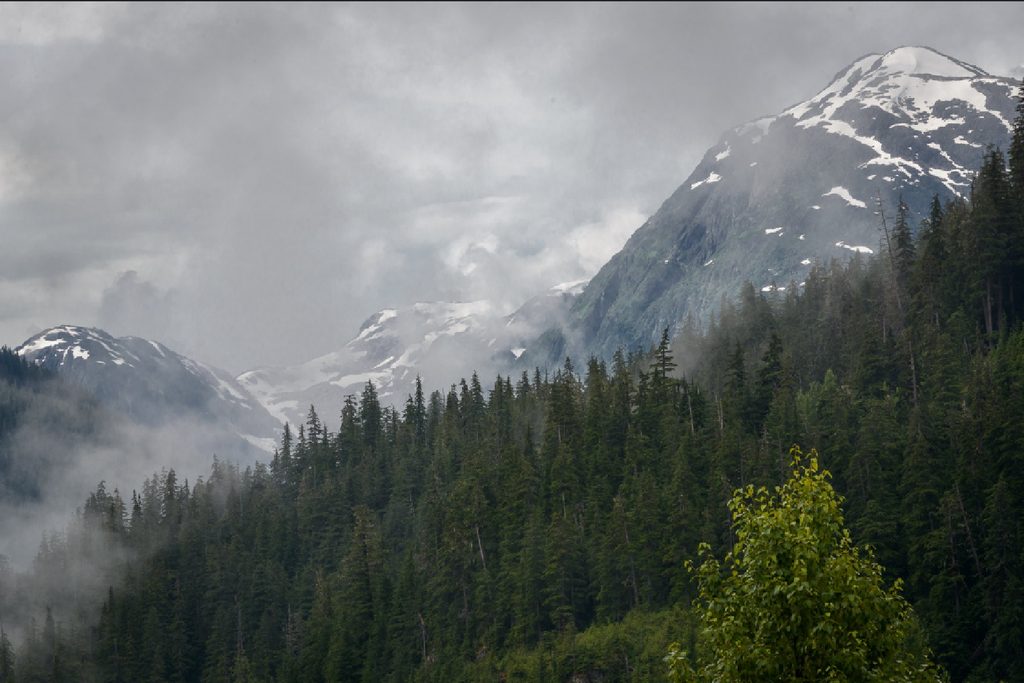
A magnitude 6.3 earthquake shook southern Alaska on September 3, 2026, coinciding with an increase in global seismic activity. The tremor occurred about 84 kilometers (52 miles) south-southwest of Nikolski in the Aleutian Islands, at a depth of approximately 35 kilometers (22 miles). The United States Geological Survey (USGS) deemed the quake as reviewed. No tsunami warnings were issued.
Alaska is one of the most seismically active regions globally, recording around 50,000 earthquakes annually. The Alaska Earthquake Center monitors this activity continuously. Recent seismic events, including a 7.2 and 7.5 magnitude quake in Venezuela in June and a 7.4 magnitude event in Colombia on August 10, have raised questions about whether the Earth is becoming increasingly unstable.
However, scientists maintain that there is no evidence of a worldwide surge in earthquakes. The USGS states that earthquake numbers naturally fluctuate and that periods of more frequent activity can occur by chance. Moreover, an increase in global earthquake activity does not indicate an imminent larger earthquake.
The proximity of the Alaska, Colombia, and Venezuela earthquakes might make them seem related, but significant earthquakes don't typically trigger others across continents due to the Earth's crust not being rigid enough to transfer stress efficiently over vast distances. Additionally, modern seismic detection networks have improved, leading to more earthquakes being recorded and reported.
The apparent increase in global seismic activity highlights the planet's inherent geological volatility. While the Alaska earthquake does not suggest the Earth is "shaking more," it serves as a reminder of the constant movement of tectonic plates. In regions like Colombia and Venezuela, which are already seismically active, major earthquakes can occur even after long periods of relative calm. In Alaska, where tectonic plates intersect in one of the world's most active zones, earthquakes are a natural part of the landscape.
Written by urgent.news from Colombia One's reporting — not their text. Machine-written — may contain errors; check the original before relying on it.
This story
This is one outlet's version. Read the fullest account.