Africa urged to put leadership at the centre of public sector reforms
African governments have been urged to invest in leadership alongside technical expertise to ensure public sector and public financial management reforms translate into lasting institutional change. Speaking during a webinar on Leading Public Sector Transformation in Africa: Leadership Lessons from the LEAPS Programme, African Capacity Building Foundation (ACBF) Executive Secretary Mamadou Biteye…
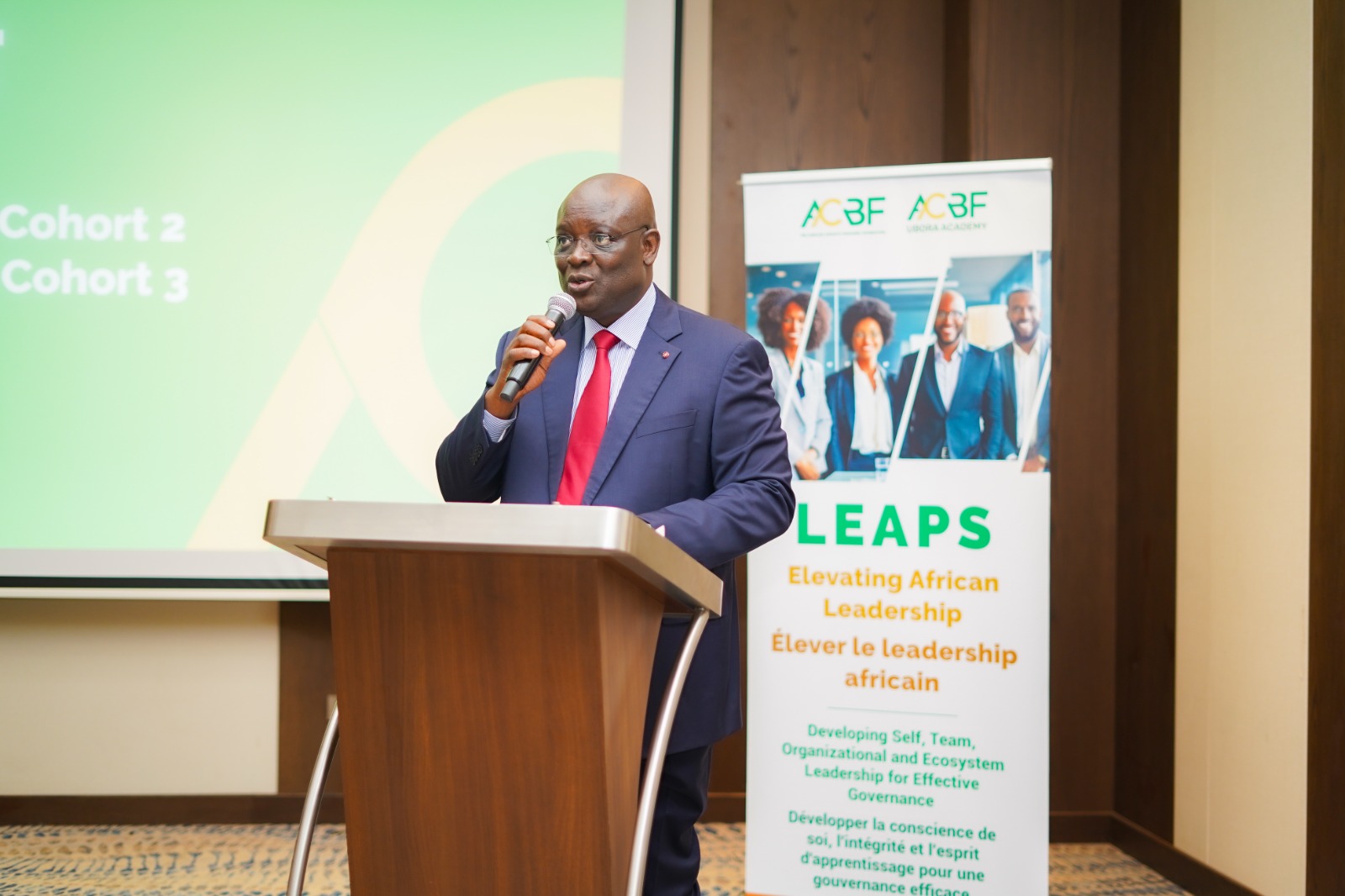
African governments have been encouraged to prioritize leadership development alongside technical skills to achieve lasting improvements in public sector management and financial practices. Speaking at a webinar on leading public sector transformation in Africa, Mamadou Biteye, Executive Secretary of the African Capacity Building Foundation (ACBF), emphasized that effective reform hinges on the ability of leaders to inspire, build trust, navigate conflicting interests, and maintain momentum during challenging times.
"Public sector reform is rarely held back by a lack of good ideas. More often, the real challenge is our ability to lead change by bringing people together, building trust, overcoming resistance and sustaining momentum," Biteye stated.
The webinar, hosted virtually, convened public servants, financial management experts, development partners, and alumni of ACBF's Leadership Excellence in Africa’s Public Sector (LEAPS) Programme to exchange insights on the pivotal role of leadership in driving institutional transformation. Biteye highlighted that leadership, coordination, and implementation are crucial elements in Africa's ongoing capacity-building efforts, as consistently emphasized by the African Capacity Building Foundation (ACBF) reports.
The LEAPS programme, initially piloted in several African countries including Côte d'Ivoire, Kenya, Senegal, Zimbabwe, The Gambia, Nigeria, and Tanzania, has since expanded, with Ethiopia joining the third cohort. Early evidence suggests that LEAPS participants have successfully implemented leadership lessons in their institutions, leading to enhanced decision-making, improved teamwork, and better stakeholder engagement.
Adil Ababou, Senior Program Officer for Development Policy and Finance at the Gates Foundation, echoed Biteye's sentiments, stressing that many public sector reforms falter not due to a scarcity of innovative ideas, but because of difficulties in leading change. He pointed out that the root cause of reform challenges often lies in leadership, such as building consensus, managing resistance, coordinating across departments, and sustaining progress amidst shifting political and economic landscapes.
Ababou emphasized that leadership transcends individual capabilities, necessitating collaborative efforts among teams, institutions, and networks to dismantle bureaucratic silos that impede effective governance.
Ababou commended ACBF for its innovative approach to leadership training, stressing that the LEAPS programme goes beyond traditional classroom instruction. Rather than merely imparting theoretical knowledge, LEAPS integrates practical learning with ongoing coaching and peer interactions, compelling participants to apply what they learn in their day-to-day roles.
This hands-on approach, according to Ababou, is instrumental in fostering real institutional change and ensuring that the lessons learned endure beyond the program's duration.
Written by urgent.news from KBC's reporting — not their text. Machine-written — may contain errors; check the original before relying on it.