Your Smartwatch May Not be as Smart as You Think it is
They’re great at telling time, though The post Your Smartwatch May Not be as Smart as You Think it is appeared first on Nautilus .
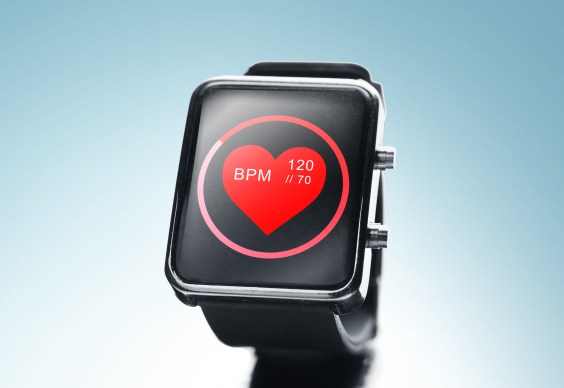
Smartwatches have gained significant popularity in recent years, with roughly 30-40% of American adults owning one. Initially marketed as a timepiece and notification center, these watches now promise to monitor a growing number of health metrics, such as blood pressure and sweat loss. However, a new framework published by kinesiologists from the University of Michigan sheds light on the accuracy of these devices.
Underneath the surface of a typical smartwatch, there are various sensors, including an accelerometer, gyroscope, GPS, and a photoplethysmogram (PPG), which uses light to measure blood volume. These sensors collect raw data (acceleration, angular velocity, location, and optical signal data), which are then processed by proprietary algorithms to generate user-friendly metrics like heart rate, physical activity, sleep duration, etc. The accuracy of these outputs varies depending on their proximity to the raw data.
Metrics such as heart rate, step count, and outdoor pace are more reliable, while metrics like calories burned, sleep stages, blood glucose, and hydration loss are less accurate and should be regarded as estimates. Study author Adam Lepley emphasized that users should not rely on these metrics at face value, as they are better suited for tracking trends over time rather than providing precise lab measurements.
Additionally, any higher-level recommendations provided by the devices, such as exercise recovery time, should be taken with caution. Ultimately, the researchers advise listening to your body, as it might be smarter than your smartwatch.
Written by urgent.news from Nautilus's reporting — not their text. Machine-written — may contain errors; check the original before relying on it.


