Why the EU is giving Arctic shipping the cold shoulder as China and Russia push ahead
As Beijing and Moscow double down on the Arctic shipping route, Europe is hitting the brakes. Despite being the main destination for goods along the route and accounting for most of the world’s shipping giants, Europe opposes the commercialisation of Arctic transits, wary of fragile polar ecosystems and navigational risks amid rising anxiety over Russia and China’s closer polar collaboration. “In…
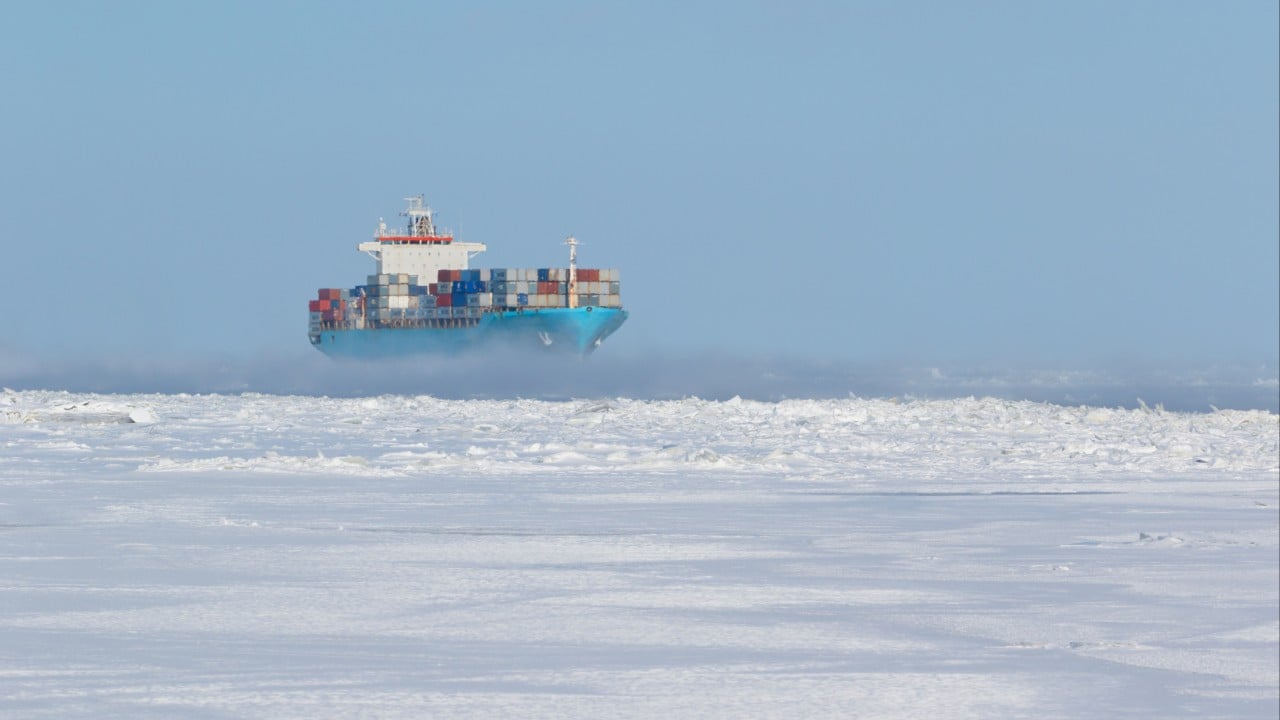
Europe is hesitant to allow commercial shipping through the Arctic due to concerns for fragile polar ecosystems and navigational risks. The route's expansion is viewed as a form of collaboration between China and Russia, which have increased their joint activities in the region since Russia's invasion of Ukraine in 2022. The European Parliament's updated Arctic policy warns that Sino-Russian cooperation in energy, infrastructure, and shipping could consolidate a geopolitical axis of resource exploitation and limited access.
Europe argues that Russia's restrictions on freedom of navigation on the Northern Sea Route violate the United Nations Convention on the Law of the Sea. The EU contends that shrinking sea ice due to climate change undermines Russia's legal basis for control and that Moscow's transit restrictions and bans on foreign military vessels are discriminatory and violate international law.
Major European shipping companies, such as Maersk and MSC, have also declined to use the Arctic route due to environmental concerns, high insurance premiums, and navigational hazards.
Written by urgent.news from South China Morning Post's reporting — not their text. Machine-written — may contain errors; check the original before relying on it.
This story
This is one outlet's version. Read the fullest account.