Where the bins are missing: How poor waste management is affecting Ghanaian communities
In many Ghanaian communities, poor waste management has become a common problem. Along some streets, plastic bottles, sachet-water rubbers, food wrappers and other rubbish can be seen scattered around.
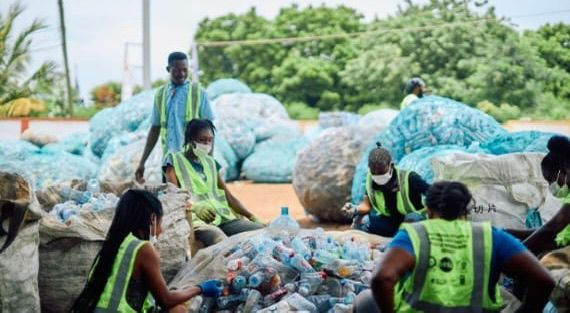
In many Ghanaian communities, poor waste management has become a pressing issue. Along certain streets, discarded plastic bottles, sachet-water sachets, food wrappers, and other rubbish are scattered about. A significant concern is the scarcity of sufficient waste bins. When residents cannot find a convenient spot to dispose of their rubbish, some choose to discard it along roadsides, in open areas, and into gutters.
In Akosua Village, a coastal community in the Effutu Municipality of the Central Region, residents have voiced concerns over insufficient waste disposal facilities. The situation worsens when waste collection is delayed, causing rubbish to accumulate. Mr. Kofi Mensah, a resident, emphasized the need for more waste containers and consistent collection to prevent rubbish from piling up.
The consequences of poor waste management extend beyond an unsightly environment. Rubbish deposited into gutters can obstruct the flow of rainwater, contributing to flooding during heavy downpours. Accumulated waste can also emit foul odors and attract flies and other pests. According to the World Bank, Ghana generates approximately 8 million tonnes of solid waste annually, while many households still lack dependable waste-collection services.
Therefore, providing more bins is essential, but it must be complemented by regular waste collection and public education. Residents also bear the responsibility of disposing of waste correctly and refraining from using gutters and open spaces as dumping grounds. Recycling can also alleviate the waste problem by reducing the amount of rubbish on streets or in drains.
The waste challenge necessitates collaboration between residents, local authorities, and waste-management companies. More accessible bins, consistent collection, and proper public education can contribute to cleaner and healthier communities. Sometimes, addressing a significant problem can start with a simple action: placing a bin where it is genuinely needed.
Written by urgent.news from MyJoyOnline Ghana's reporting — not their text. Machine-written — may contain errors; check the original before relying on it.