Volkswagen garantiza el futuro de sus plantas españolas pese al repliegue de Seat
El grupo alemán, que eliminará 100.000 empleos en todo el mundo y planea cerrar cuatro plantas en Alemania, garantiza el futuro de las fábricas de Pamplona y Martorell gracias a la nueva familia de coches eléctricos pequeños. Leer
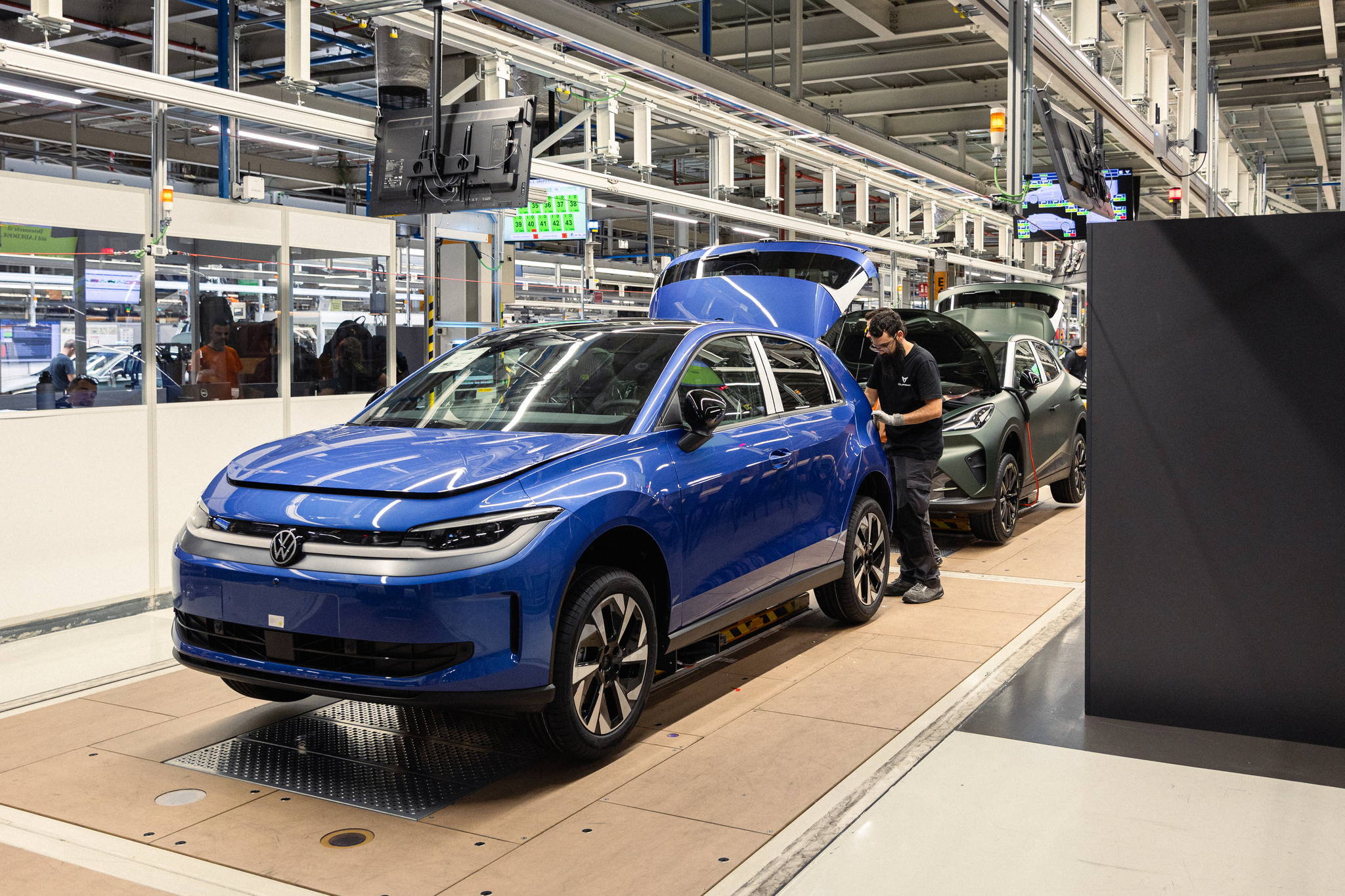
Volkswagen aims to secure the future of its Spanish plants despite the Seat withdrawal, despite major layoffs across the company. The German company, which announced the elimination of 50,000 jobs - a total of 100,000 across Germany - has assured the continued operation of its two Spanish factories in Pamplona, Navarra and Martorell, Barcelona.
Despite Volkswagen's plans to discontinue the Seat brand by the end of the decade and focus on Cupra, the more profitable and internationally ambitious brand, the Spanish factories remain secure. This is thanks to the new family of small electric cars being produced at the Landau and Martorell plants, which have been fully allocated to these sites and represent Volkswagen's main strategy for democratizing electric mobility in Europe.
The Cupra Raval and Volkswagen ID. Polo - manufactured in Barcelona - and the Skoda Epiq - produced in Pamplona - began production in June, while the Volkswagen ID. Cross will start production in Navarra on September 19. These four models will push both factories to their maximum production capacity by 2027, according to VW's predictions.
Thomas Schäfer, CEO of the Volkswagen brand and responsible for the group's volume brands, stated that the Martorell and Pamplona plants are safe from the restructuring plan and announced that the company has grand plans for the consortium's Spanish plants. The key to their success lies in their high productivity and economic profitability.
These plants are very profitable and have done a great job, Schäfer said during a meeting in Vienna with Spanish media, including EXPANSION. The high productivity of Pamplona and Martorell plants is complemented by a strong network of auxiliary companies and component suppliers around them. The Península Ibérica is also very well-developed for efficient cooperation, and Schäfer highlighted the Volkswagen gigafactory under construction in Sagunto, Valencia, as a significant 3 billion euro investment.
The small electric cars produced at the Spanish plants are the company's main bet for democratizing electric mobility in Europe. The Cupra Raval and Volkswagen ID. Polo began production in June at the Martorell plant, while the Skoda Epiq started production in Pamplona at the same time. Both models are expected to reach their maximum production capacity by 2027.
Written by urgent.news from Expansion ES's reporting — not their text. Machine-written — may contain errors; check the original before relying on it.