US job market rebounds with 162,000 new jobs, far surpassing expectations
The US job market rebounded in August as employers added a surprising 162,000 jobs. The unemployment rate stayed at a low 4.1 per cent. The jobs report, issued by the Labour Department on Friday, could be good news for President Donald Trump two months before midterm elections in which the health of the economy is weighing on voters’ minds. Hiring far exceeded the 65,000 forecasters had expected,…
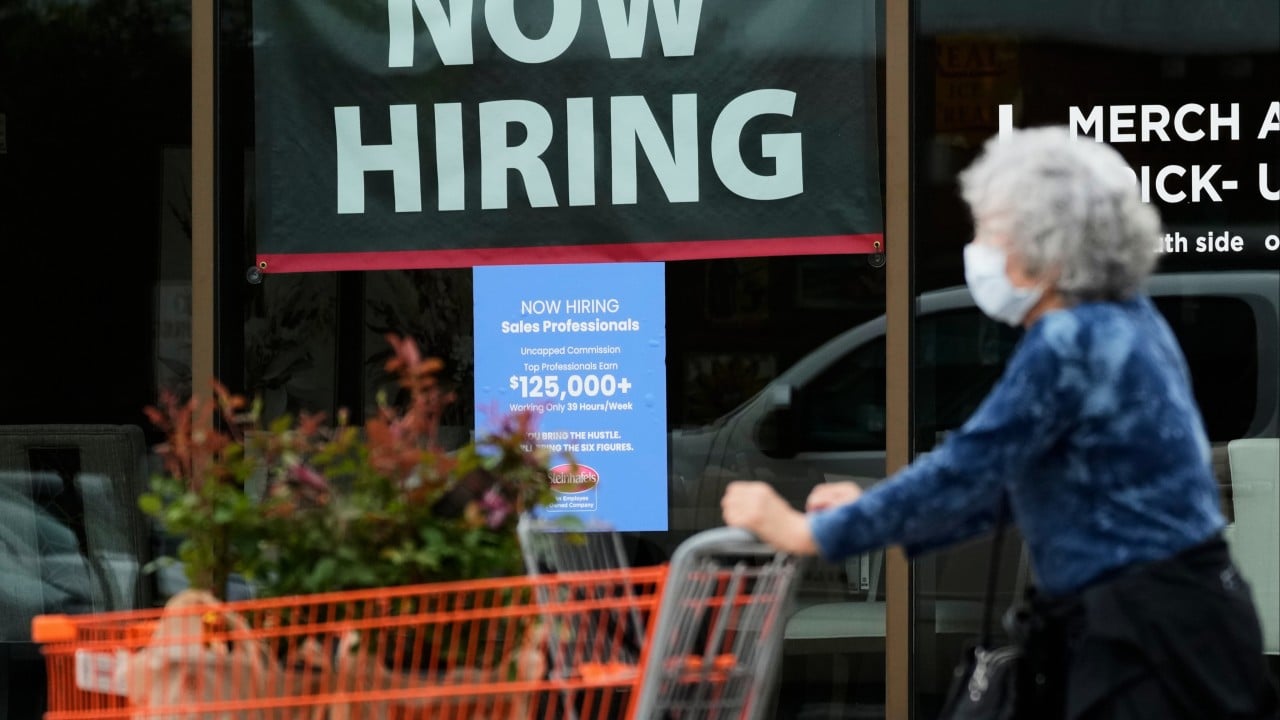
In August, the US job market experienced a surprising surge, adding 162,000 new jobs, significantly surpassing expectations. The unemployment rate remained at a historically low 4.1 per cent, bolstering President Donald Trump's prospects as he heads into midterm elections. The Labor Department's report, released on Friday, could be a positive sign for the economy during this critical period.
The job growth exceeded the forecast of 65,000 jobs, as per a poll by FactSet. Unexpectedly, the Labor Department added 55,000 jobs to June and July, while revising July's job loss from 23,000 to a gain of 21,000. This marked a stark contrast to the previous month when employers had laid off 23,000 jobs.
The labor force, consisting of individuals working or actively seeking employment, expanded by 683,000 in August following declines in June and July. However, wage growth has been sluggish, with average hourly wages increasing by only 3.1 per cent compared to a year ago, the weakest annual rise since May 2021.
Despite the robust hiring, many households are grappling with high living costs, and wage gains have not been substantial enough to boost consumer spending. Fed chair Kevin Warsh has indicated that inflation, currently at 3.7 per cent, remains above the central bank's 2 per cent target, prompting concerns about the economy's health.
The Federal Reserve is expected to meet on September 15-16 to decide on potential interest rate hikes. Fed governors have expressed concerns about inflation, with some leaning towards maintaining current rates or supporting a rate increase if inflation remains high. The tight labor market, characterized by low unemployment and weak hiring, has contributed to inflationary pressures, as workers in scarce supply drive up prices.
Businesses have largely refrained from laying off employees, instead opting to increase efficiency through technological advancements and artificial intelligence. As fewer workers are available due to Trump's immigration policies and the retirement of baby boomers, companies have been forced to innovate and utilize existing talent more effectively.
Written by urgent.news from South China Morning Post's reporting — not their text. Machine-written — may contain errors; check the original before relying on it.