UniMAP jalin kerjasama lebih 300 pemain industri
Jaringan itu adalah antara kekuatan strategik UniMAP dalam memperkukuh pendidikan berorientasikan industri.
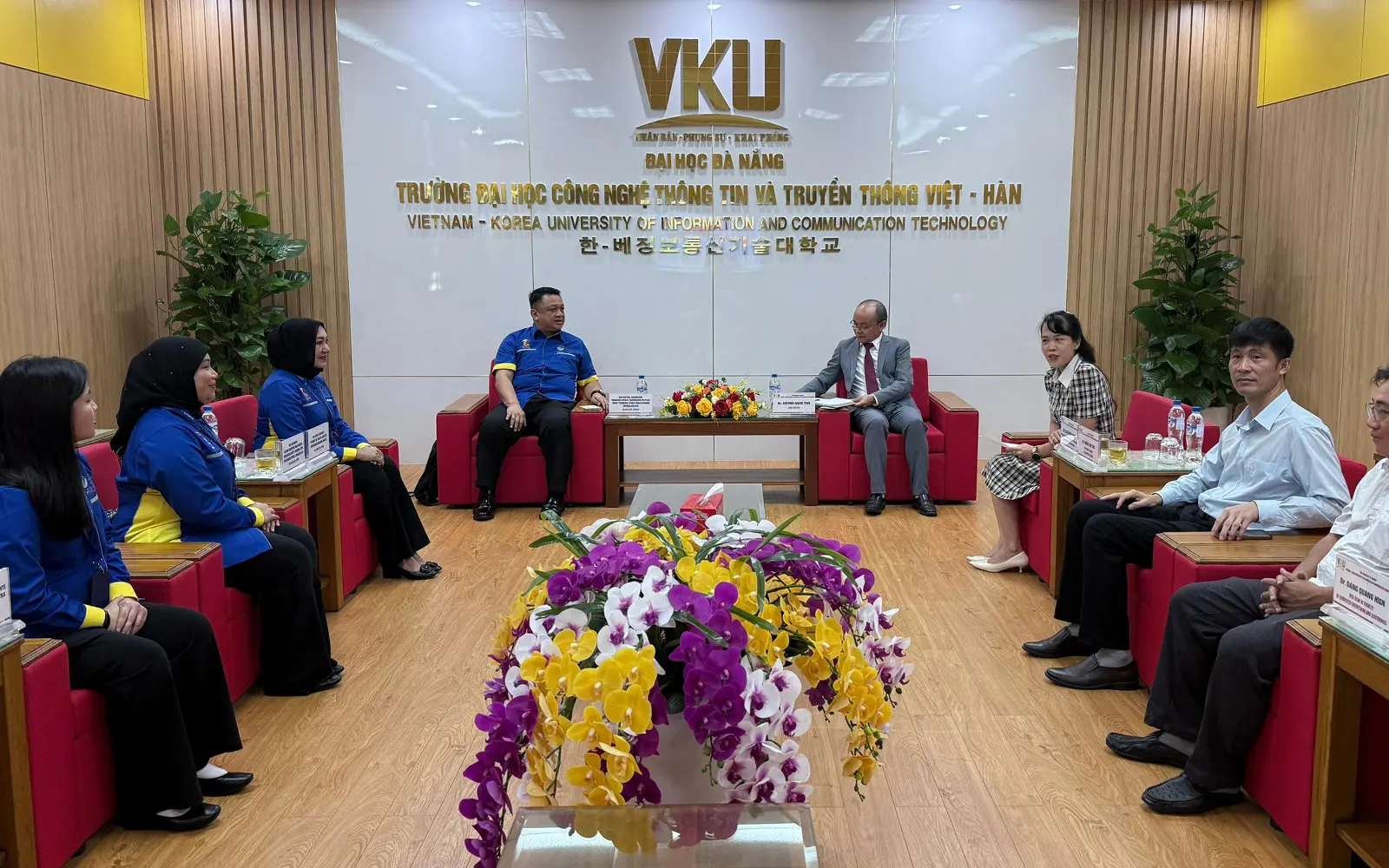
UniMAP collaborates with over 300 industry players to ensure graduates remain relevant in the ever-changing job market. The network of industries, including electronics and semiconductors, biomedicine, materials processing and food, automotive, mechanical and aerospace, environment, infrastructure, and media and commercial, showcases UniMAP's strategic strength in strengthening industry-oriented education.
This goes beyond merely producing high-skilled graduates ready to meet technological advancements. "More than just a number, the relationship highlights a model of education that positions industry not only as the final destination for graduates but as a partner in shaping their educational journey from the outset," says Tuanku Syed Faizuddin Putra.
During his visit to Vietnam-Korea University of Information Technology and Communication, Tuanku Syed Faizuddin Putra was accompanied by UniMAP Pro-Vice Chancellor, Raja Puan Muda Perlis Tuanku Lailatul Shahreen Akashah Khalil, and Pro-Vice Chancellor 2, Sharifah Khatreena Nuraniah Jamalullail, along with Sharifah Farah Adriana Jamalullail.
The delegation was welcomed by Universiti Timbalan Rector, Huynh Ngoc Tho, and Head of Science, Technology and International Cooperation, Le Ha Nhu Thao. UniMAP's collaboration with various strategic sectors like electrical and electronics, semiconductors, biomedicine, materials processing and food, automotive, mechanical and aerospace, environment, infrastructure, and media and commerce reflects its close relationship with real industry needs.
"Among the industry players featured in UniMAP's network are technology and semiconductors companies such as Intel, Infineon, Micron, AT&S, Oppstar, Inari, SkyeChip, Analog Devices, and AMD, plus ViTrox, Modenas, Proton, and Turkish Aerospace Industries," says Tuanku Syed Faizuddin Putra. Mechanisms used include Industry Advisory Panel (IAP), CEO@Faculty, guest lecturers, Industry on Campus, work placements, joint industry projects, collaborative research, and Teaching Factory.
This approach allows for continuous infusion of technological advancements, new skills, and changing job market demands into lectures and learning environments. Tuanku Syed Faizuddin Putra also highlighted how involving industry players in curriculum development helps ensure the academic content remains relevant to technological advancements and the skills required by the job market.
He added that engaging industry in curriculum development also ensures the academic content always takes into account the technological advancements and skills needed by the job sector. "For universities with strengths in engineering, technology, and technical fields, such a network becomes increasingly important in ensuring the gap between academic learning and industry needs continues to be bridged.
The collaboration also creates a two-way ecosystem where universities not only provide talent to industry but also receive skills, technology, experience, and real-world perspectives from industry." The ILM program is an annual international and academic initiative involving UniMAP delegations visiting foreign universities and major industries to strengthen regional education, expand technical research, and foster student leadership.
Written by urgent.news from Free Malaysia Today's reporting — not their text. Machine-written — may contain errors; check the original before relying on it.
Also reported by 1 other outlet
- UniMAP jalin kerjasama lebih 300 pemain industri freemalaysiatoday.com