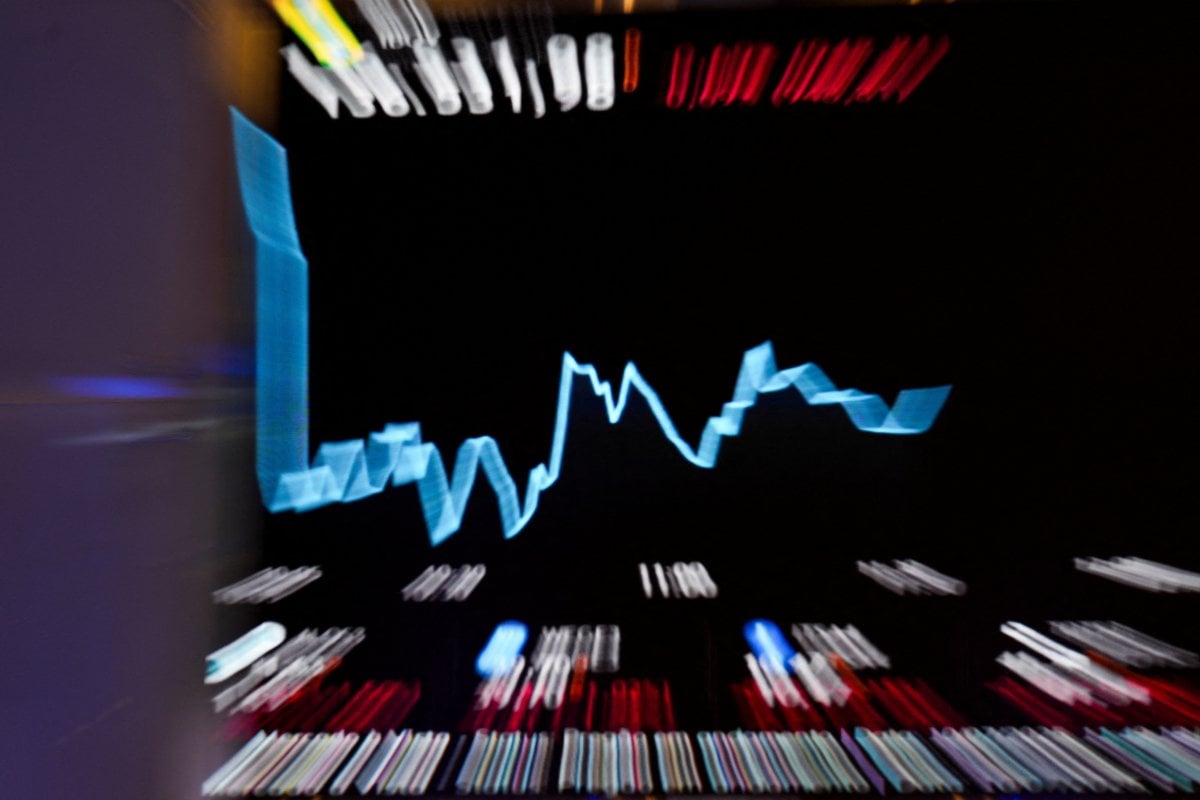
Una incómoda sensación de déjà vu en los mercados
La geopolítica ha dejado de ser un sobresalto puntual para instalarse como una variable permanente que obliga a revisar las valoraciones
The markets are experiencing an uncomfortable feeling of déjà vu as investors seem to continually return to the fundamentals of energy, inflation, and interest rates. This recurring pattern gives rise to a sense of déjà vu among market participants. Historically, this scenario is not identical, but it marks a transition towards a different market regime. After a decade of cheap money, contained inflation, and highly efficient supply chains, we are entering an era where geopolitics has become a structural variable.
For the coming months, a situation of chronic friction is anticipated. Geopolitical tensions in the Middle East, Ukraine, and major maritime corridors are causing temporary disturbances and raising risk premiums linked to energy, transportation, and raw materials. Iran has an incentive to maintain pressure on energy routes without necessarily causing a prolonged interruption.
The most probable outcome is a form of geopolitical tolling with higher insurance costs, logistical detours, higher freight rates, and recurrent risk premiums in oil prices.
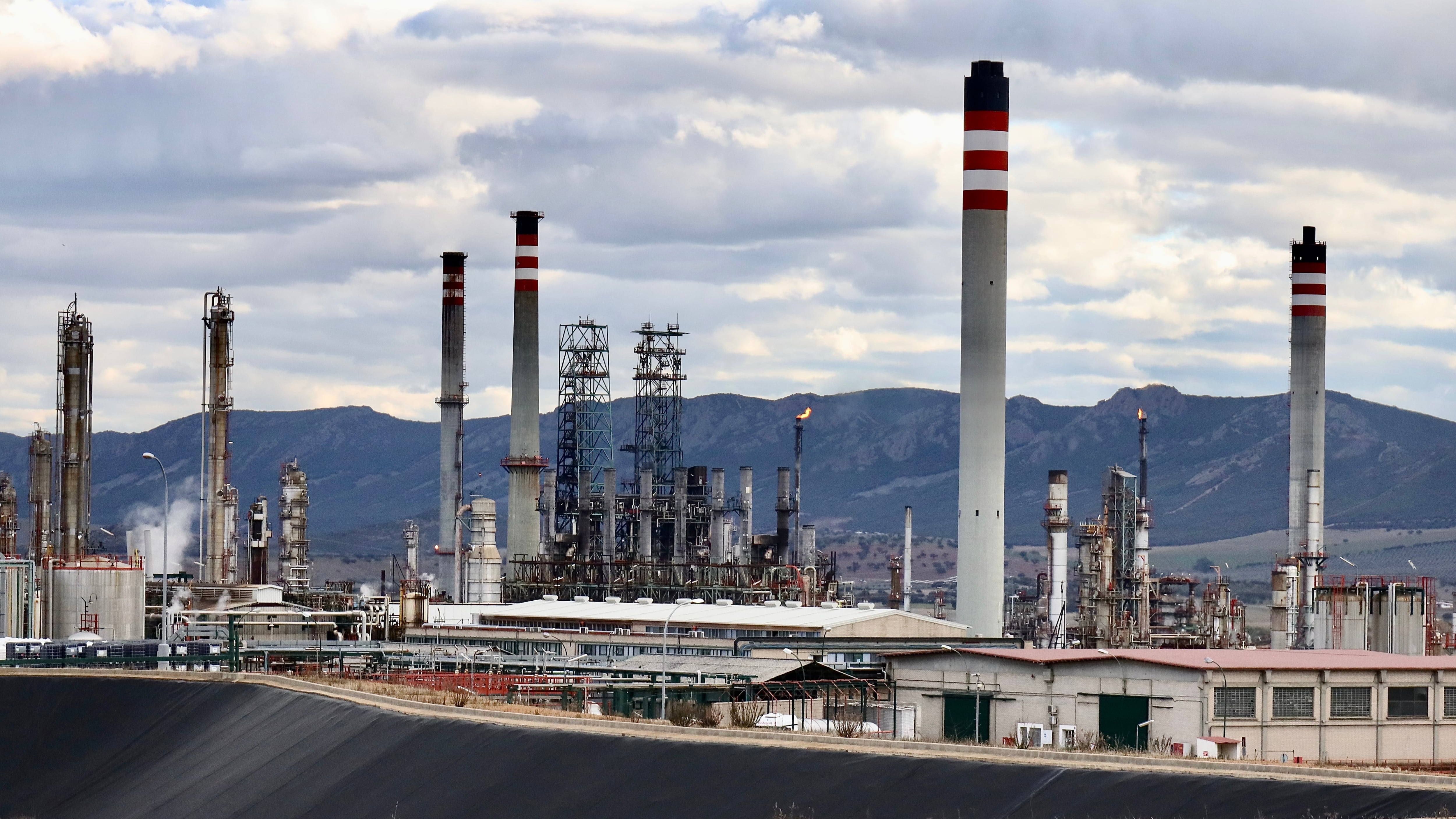
The Ukraine strategy escalates pressure on Russian refineries, pipelines, terminals, and maritime assets, while Russia intensifies its attacks on Ukrainian infrastructure and ports. This further raises risk for refined products, logistical costs, and European supply security. In the event of a severe escalation, the main transmission channel would remain energy.
A spike in the Brent price would once again put pressure on inflation, diminish household disposable income, and reduce margins for numerous companies. The impact on variable income would be highly uneven, particularly affecting discretionary spending, transportation, energy-intensive industries, and companies with high levels of variable interest debt. Conversely, energy, defense, and some defensive sectors could act as a cushion.
In fixed income, sustained crude oil pricing would complicate the Federal Reserve and ECB's rate-cutting schedule. The market would need to reassess monetary expectations, and sovereign bond yields would likely rise, especially for longer maturities if inflation expectations also increase. The question is whether investors are underestimating geopolitical risk or if it is already factored in.
The answer is not definitive on either front. The market has learned to digest these episodes and incorporates them partially into risk premiums. Sharp overreactions punish overvalued valuations quickly, while calm periods provide temporary relief, but rarely eliminate caution entirely. Investors' relative serenity is due to the fact that the global economy has performed better than expected, and conflicts have not yet caused a large-scale energy disruption.
The risk that may be underestimated is not so much the extreme shock but the cumulative effect of many disruptions: expensive energy, higher transportation costs, more defense spending, less efficient supply chains, and higher interest rates. The market does not ignore geopolitics, but it tends to value it as a succession of episodes, not as a permanent condition of the economic environment.
The rivalry between the US and China, the security of Taiwan, Ukraine, and maritime bottlenecks form part of a structural risk that is unlikely to disappear with a specific truce. Expensive energy acts like a tax on importer economies, reducing consumer spending and investment. It also forces companies to demonstrate greater efficiency to justify their valuations and complicates the task of central banks because it raises inflation precisely when growth starts to lag.
This is the most uncomfortable component of the current scenario: an inflation caused by supply constraints, geopolitical tensions, and higher energy costs. Central banks cannot ignore the second-round effects on wages and inflation expectations. An energy crisis could delay rate cuts or even reopen the debate on new increases. I do not consider a deep recession as the central scenario, but rather weaker, more volatile growth with increasing dispersion between regions and sectors.
Europe appears as the most vulnerable area due to its energy dependence and lesser structural dynamism. The US benefits from relative energy production support, the dollar's safe haven role, and AI-linked investment. AI has become a strategic priority, and the investor cycle is likely to continue. For the US and China, AI represents a commercial opportunity involving productivity, national security, defense, and technological leadership.
Therefore, major companies will maintain high investments even with high interest rates or temporary margin reductions. The investor demand has changed. With interest rates at 3%-4%, the market no longer grants blank checks waiting for distant monetization. In this new regime, it is not enough to accurately predict economic growth direction; one must also evaluate who controls energy, infrastructure, financing, and technology.
Written by urgent.news from El Pais Economia's reporting — not their text. Machine-written — may contain errors; check the original before relying on it.