Trump wants a smaller US trade gap, AI demand is pulling it the other way
WASHINGTON, Sept 4 — The US trade deficit in July widened to its largest since March 2025, government data showed...
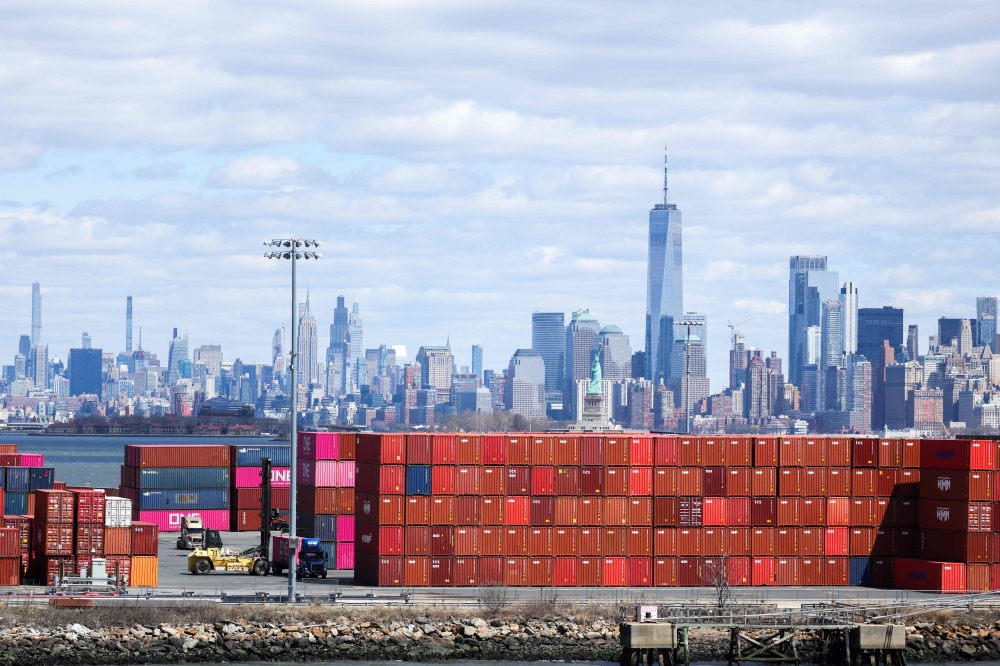
On September 4, government data revealed that the US trade deficit in July reached its largest level since March 2025, driven by a surge in imports due to the booming artificial intelligence technology sector. President Donald Trump's administration has implemented various tariffs on allies and competitors in an effort to reduce the trade gap, but July saw the deficit increase by 24.4 percent to $88.6 billion, compared to the previous month.
This growth was primarily due to a decline in exports of crude oil and gold, while imports of tech products, including computers, computer accessories, and semiconductors, surged. The trade deficit with Taiwan, a major chip manufacturer, hit a record $20.7 billion for the month. Trade gaps with countries like Mexico, Vietnam, Thailand, South Korea, and Malaysia also reached their highest levels on record.
Although Trump's tariffs have affected major trading partners, officials have exempted products like chips, smartphones, and other electronics. Commerce Secretary Howard Lutnick hinted at the possibility of new, targeted tariff policies aimed at semiconductors, emphasizing that businesses building in the US would not face duties.
However, businesses have been actively importing goods before new tariffs took effect, anticipating further challenges due to the policies, which have increased business costs. Despite the Supreme Court striking down many of Trump's global tariffs in February, new duties targeting 60 trading partners were implemented in July. A separate trade investigation against 16 countries, including China, the European Union, and Taiwan, could result in further tariff hikes.
Meanwhile, the United States is also engaged in a trade war with Canada, with a 50% duty on Canadian goods recently imposed, prompting a potential retaliatory measure from the Canadian government. Additionally, the ongoing Middle East war has disrupted trade flows, as Iran has largely blocked the Strait of Hormuz, a crucial waterway for global energy and fertilizer transit.
Written by urgent.news from Malay Mail's reporting — not their text. Machine-written — may contain errors; check the original before relying on it.