The perfect pillow does exist. It just might take you a while to find it
One morning in the middle of the summer, I woke up to an excruciating pain searing through my neck and left shoulder. I immediately booked a deep-tissue massage, but the relief lasted a day before the ache returned. After a few weeks of persistent discomfort, I visited my doctor who referred me to a physical therapist. After doing several tests, the therapist identified the culprit: my pillow.…
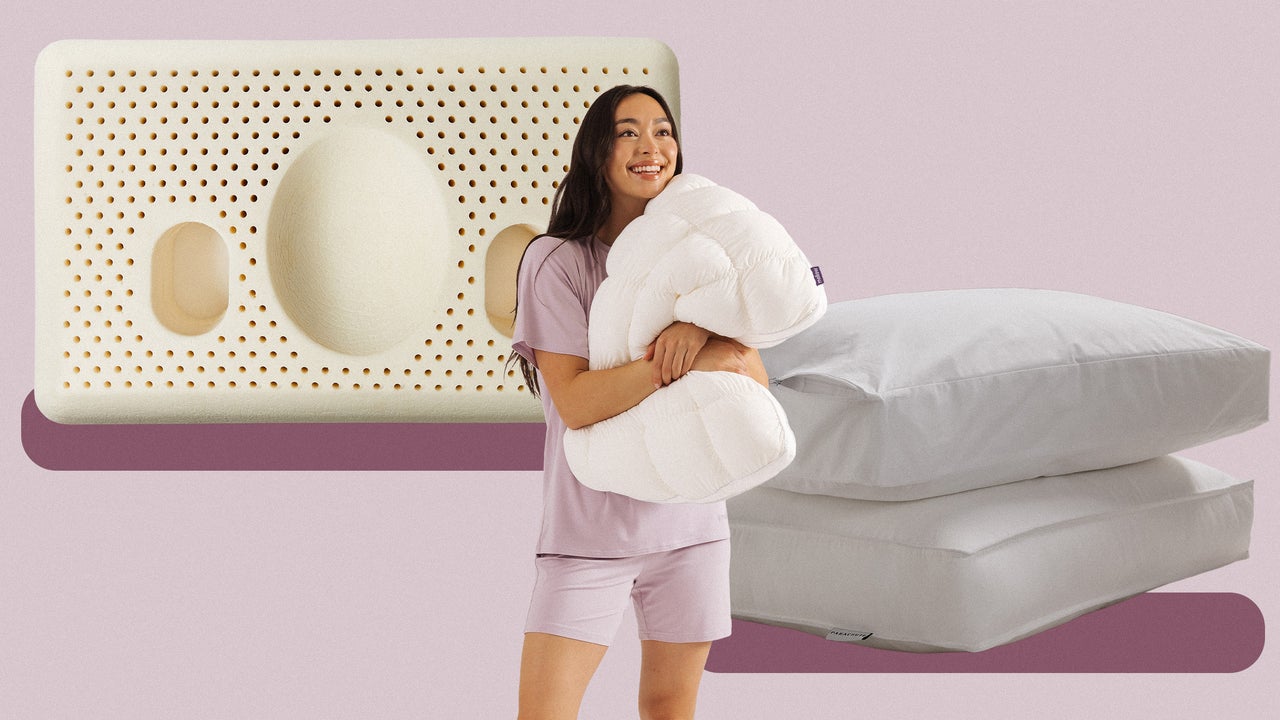
One summer morning, I woke up to a severe neck and shoulder pain that continued for weeks despite a deep-tissue massage and a doctor's referral for physical therapy. After tests, the therapist discovered the problem was my pillow, as a side sleeper, my head would sink into the mattress, causing my spine to misalign. This revelation surprised me, as I realized how basic a factor a pillow could be in causing such discomfort.
Neck pain is a common issue, affecting 30% to 50% of adults each year, often due to poor sleep posture and inadequate support. To maintain a neutral spinal alignment – where the neck, shoulders, and spine form a straight line parallel to the mattress – side sleepers struggle, as pillows that don't fill the gap between the ear and shoulder can lead to muscle strain, nerve compression, and joint misalignment.
Companies like Tempur-Pedic were early innovators in cushioning technology, but now startups like Mellow, Parachute, Avocado, and Coyuchi are rethinking pillow design, focusing on silhouette, construction, and materials. The challenge is that every body is unique, and there's no one-size-fits-all solution. However, with a diverse range of options, finding the perfect pillow is more achievable than ever.
The history of pillows dates back to ancient Egypt and Asia, where pillows were hard and made from wood or stone. In colder regions, straw, cotton, or down feather pillows were used, but still offered little structural support. Mass production of affordable pillows began during the industrial revolution, and the first major innovation came with memory foam in the 1960s, which was later incorporated into pillows for better neck support.
While traditional fillers remain popular, latex, derived from rubber sap, is the fastest-growing material, indicating a trend towards innovation in pillow design.
Written by urgent.news from Fast Company's reporting — not their text. Machine-written — may contain errors; check the original before relying on it.