The 'Mosul Eye' blogger whose live tweeting helped hundreds escape the ISIS occupation
Mosul archaeologist Nadeem and his family escaped the building in which they had been trapped during the US-led battle to retake the city from ISIS , not knowing that the person who arranged their evacuation had been a close friend. Omar Mohammed, who blogged about the ISIS occupation under the pseudonym Mosul Eye, had attended Nadeem’s weekly clandestine meetings about the city's archaeology and…
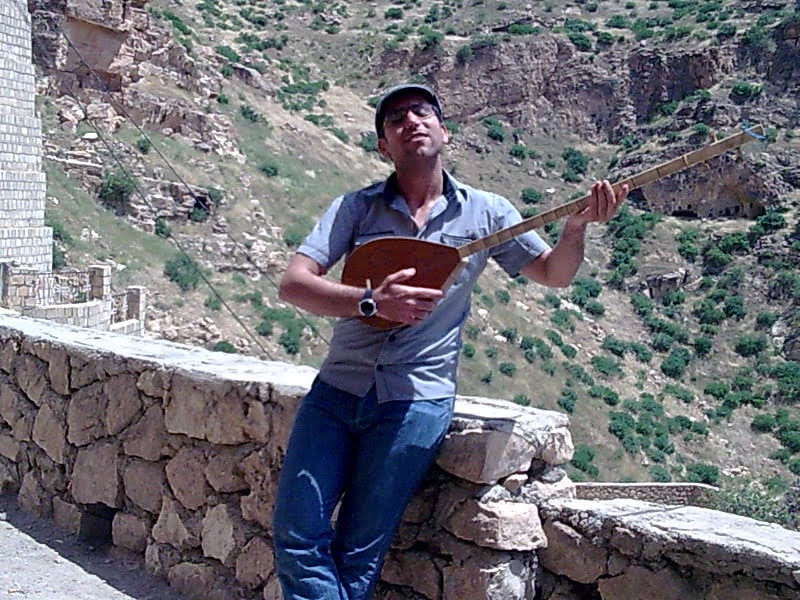
Omar Mohammed, a blogger formerly known as Mosul Eye, played a crucial role in saving hundreds of people during the ISIS occupation of Mosul. The extremist group had targeted Nadeem, a Mosul archaeologist and friend of Mohammed, for persecution due to his scholarly pursuits. Nadeem and his family managed to escape the building they were trapped in during the US-led battle to retake the city, without knowing that their evacuation was orchestrated by Omar Mohammed.
The story of how he saved Nadeem and hundreds of others through his live tweeting is detailed in Omar Mohammed's book, "Mosul Eye: A Scholar’s Clandestine War against ISIS."
Mohammed's mission was to document the city's history and culture under siege, as the extremist group sought to erase Mosul's archaeological heritage. He started blogging about the city's information he gathered from conversations and life in the city, but was initially reluctant to share this information with intelligence services.
However, from 2016 onwards, he began sending life-saving information to US Central Command and Iraqi security forces. Mosul, once a multicultural center, had become a homogeneous, religiously conservative city that fell victim to ISIS's sectarian massacres and the group's failed attempts to incorporate the city's Christian community.
Despite the reconstruction efforts, Mohammed believes that the city's social fabric will take time to heal from the decades of conflict and sectarianism.
Written by urgent.news from The National Business's reporting — not their text. Machine-written — may contain errors; check the original before relying on it.