The coming verdict on Trump's Strait of Hormuz strategy
The White House is at odds with some private sector analysts over how much oil is leaving the Strait of Hormuz — but it will take weeks until the picture of what's truly getting through becomes clear. Why it matters: How much oil exits the waterway sways the price of gasoline and other consumer products. The White House is claiming success in forcing open the world's most important energy…
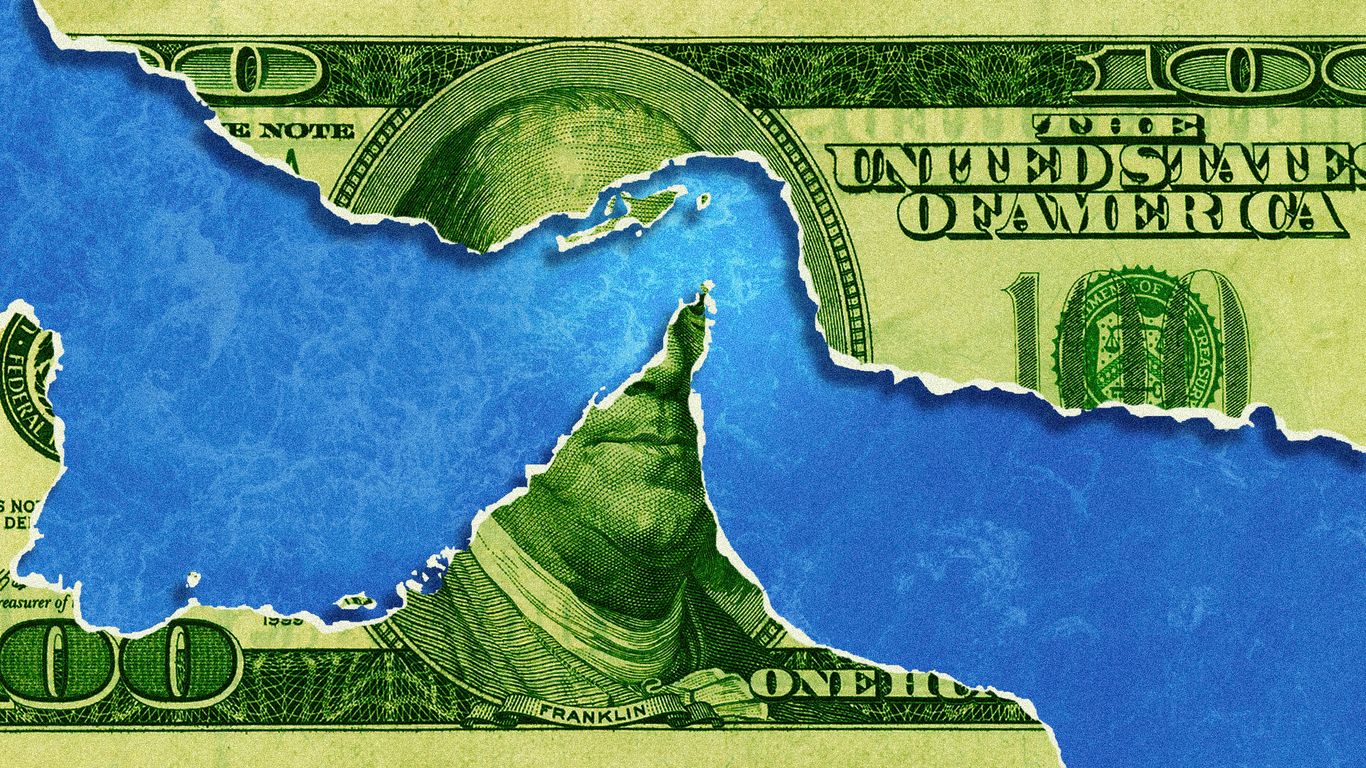
The White House and private sector analysts have differing views on the amount of oil passing through the Strait of Hormuz. The U.S. claims success in opening the strategic waterway, which typically handles 20 million barrels of crude and oil products daily. Energy Secretary Chris Wright stated that 17 million barrels flowed through the strait on a Monday, but the multi-day average is reportedly lower.
President Trump recently claimed that 18 million barrels were moving daily, according to his Truth Social. The Energy Department spokesperson confirmed that the best available data on oil leaving the Arabian Gulf comes from their coordination with the U.S. military. It's difficult to determine the exact amount of oil currently passing through, but more data is expected to emerge in the coming weeks.
If the claimed 18 million barrels were to flow daily, it would impact gasoline and consumer products prices. Tanker tracking services have reported less oil than Trump's claims, but counting barrels is complex, especially during wartime. Many tankers disable their automatic identification system transponders to avoid detection. The U.S. Department of Energy maintains the most accurate data on oil and oil products leaving the Gulf.
Analysts believe that Wright's claimed 17 million barrels per day could be plausible for a single day, but the important figure is the multi-day average. The Energy Department reported nearly 12 million barrels moving through the strait on Wednesday, while Vortexa showed an 8 million barrel 28-day moving average as of August 31.
Despite the discrepancies, some private sector trackers agree with the Energy Department's multi-day average tally. While the administration's claims may be exaggerated, there seems to be enough oil movement to give Trump confidence that the U.S. has the upper hand over Iran.
Written by urgent.news from Axios's reporting — not their text. Machine-written — may contain errors; check the original before relying on it.