The banking sector’s next test
EDITORIAL: The SBP governor’s recent call for banks to re-orient their business models towards stronger retail deposit mobilisation and greater private sector financing deserves serious attention. Addressing the Pakistan Banking Awards ceremony last week, he rightly noted that although the economy has reached the much-needed state of stabilisation, this alone is insufficient to put it on a path…
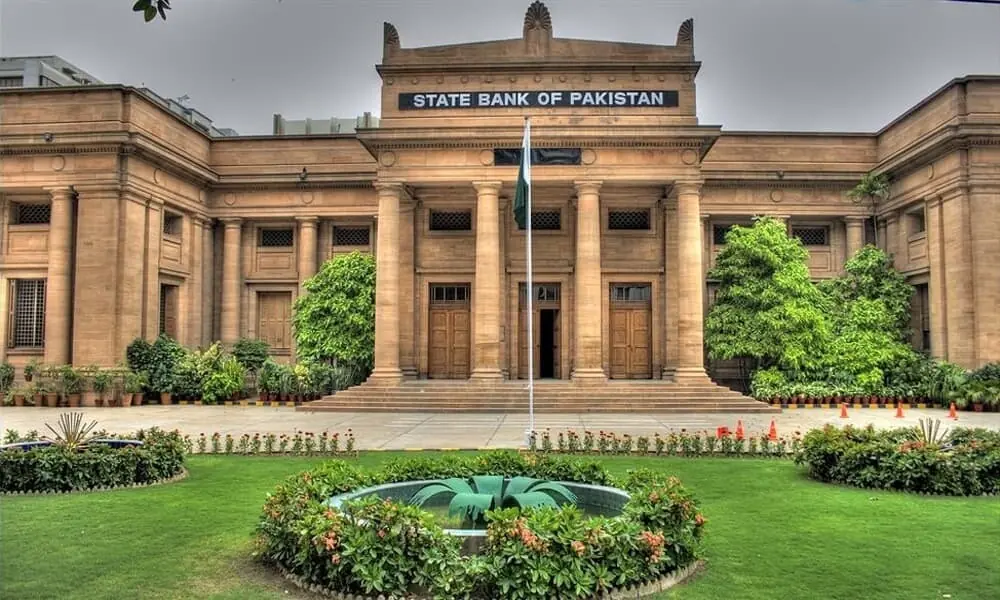
Pakistan's banking sector faces a critical challenge in its journey towards sustainable growth, according to the central bank governor's recent remarks. While the economy has stabilized, the banking sector must step up to play a larger role in financing this growth, particularly through stronger retail deposit mobilisation and increased private sector financing.
Currently, Pakistan's banks have assets and deposits of Rs69 trillion and Rs43 trillion, respectively, but these figures are still relatively modest compared to the size of the economy and other emerging markets. The high currency-to-deposit ratio indicates that a significant portion of money remains outside the formal banking system, limiting the funds available for productive investment.
The private sector lending by banks is also alarmingly low, standing at just 10.7 percent of GDP in 2025, which is far below regional peers. A major reason for this low lending is the government's heavy reliance on domestic financing, as government securities offer banks a safe, liquid, and convenient asset. However, this government borrowing cannot be the sole excuse for the shallow private credit market.
Banks need to enhance their credit appraisal systems, digital lending infrastructure, and willingness to lend to SMEs and underserved segments. They also require a commercial incentive to compete for deposits and encourage savings to flow into the banking system. The government must gradually reduce its dependence on bank financing, explore other sources of public borrowing, and create a business environment that encourages banks to lend confidently to productive enterprises.
Without these changes, Pakistan risks remaining trapped in a cycle of dependence on government spending, consumption, and external financing, preventing it from achieving a more sustainable and higher growth rate.
Written by urgent.news from Business Recorder's reporting — not their text. Machine-written — may contain errors; check the original before relying on it.