Sustainable debt-GSDP ratio for Tamil Nadu is 23%, says economic consultant to government
Emphasising that borrowing, per se, is not an undesirable activity, the veteran economist says it is one of the major sources of financing development projects
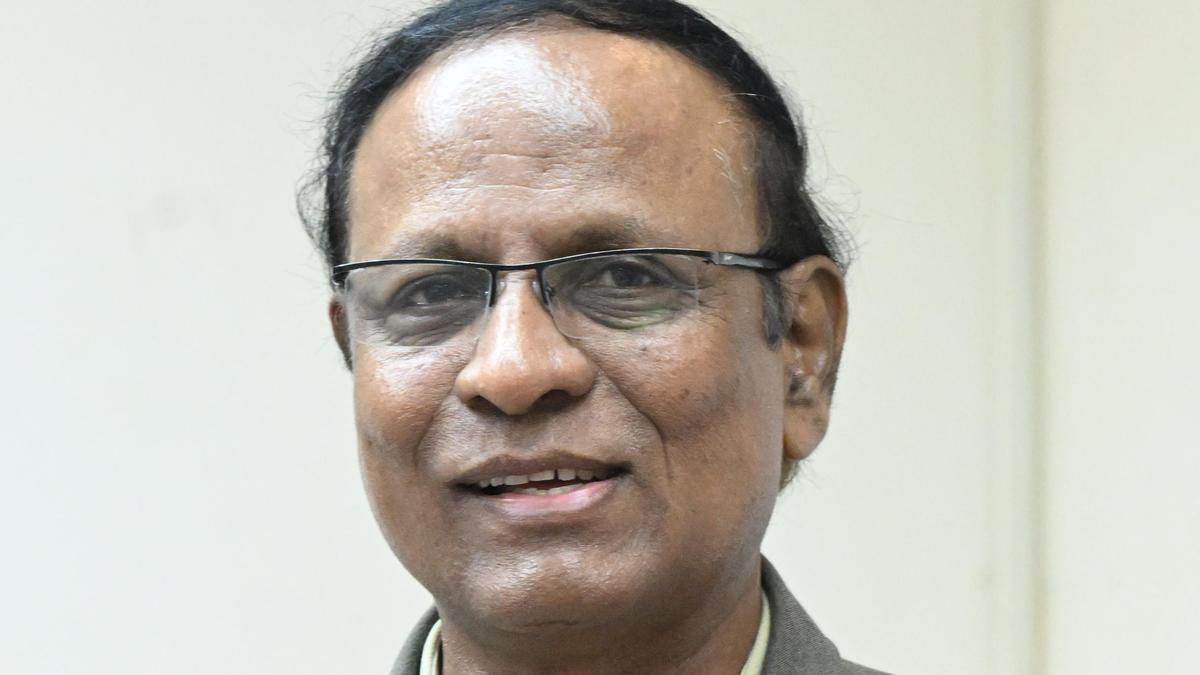
Economic consultant to the Tamil Nadu government, K.R. Shanmugam, has stated that the sustainable debt-GSDP ratio for the state is 23%. Shanmugam argues for reducing the current 27% ratio to 23%, noting that while borrowing is not inherently undesirable, it becomes unsustainable when it exceeds prudent limits. In Tamil Nadu's case, the fiscal responsibility and budget management committee prescribed 20% as the prudent limit in 2017, allowing for an additional three percentage points, considering macroeconomic progress over the past five years.
Borrowing is encouraged when invested in productive assets and infrastructure, generating economic growth and future income. Shanmugam emphasizes that when the debt-GSDP ratio exceeds the prudent level, it crowds out productive expenditure and can lead to a debt trap, which is detrimental to growth, development, and stability. Among the states, only Gujarat, Odisha, and Maharashtra have debt-GSDP ratios below 20%, while nine states, including Tamil Nadu, have ratios higher than the 23% sustainable level.
While Tamil Nadu managed to keep its fiscal deficit at 3% of GSDP during the COVID-19 pandemic year 2020-21, it has struggled to return to the previous level. Shanmugam appreciates Tamil Nadu's fiscal performance but is concerned about the revenue deficit (1.4% of GSDP), indicating that most borrowed funds are spent on consumption rather than investment.
To reach the sustainable debt-GSDP ratio of 23% by 2050-51, Tamil Nadu would need to achieve 15% nominal economic growth annually and maintain a fiscal deficit of 3%. A faster attainment of the 23% level could be possible with a reduction in the fiscal deficit, for instance, by keeping it at 2.5% with 14% nominal economic growth, which would enable the state to reach the target by 2033-34.
Shanmugam strongly advocates for expenditure rationalization and suggests that the government discontinue outdated and unproductive welfare schemes. He also cautions against implementing the ruling party's promise of increasing the monthly assistance amount under the Magalir Urimai Thogai, as it should be postponed until fiscal consolidation is achieved.
Written by urgent.news from The Hindu's reporting — not their text. Machine-written — may contain errors; check the original before relying on it.
Also reported by 4 other outlets
- Finance minister pledges to protect Pakistan’s economic stability dailytimes.com.pk
- ‘Our leader is very clear’: Tamil Nadu minister reiterates TVK’s stance on 'Vijay as PM' pitch hindustantimes.com
- Full funding for the Accra-Kumasi Expressway will be ready by end of the year - Finance Minister 3news.com
- Documentary on wildlife in Tamil Nadu to be screened from Monday thehindu.com