Stop Calling AI Companies ‘Labs’
The term lends an air of scientific rigor to what are really billion-dollar corporations.
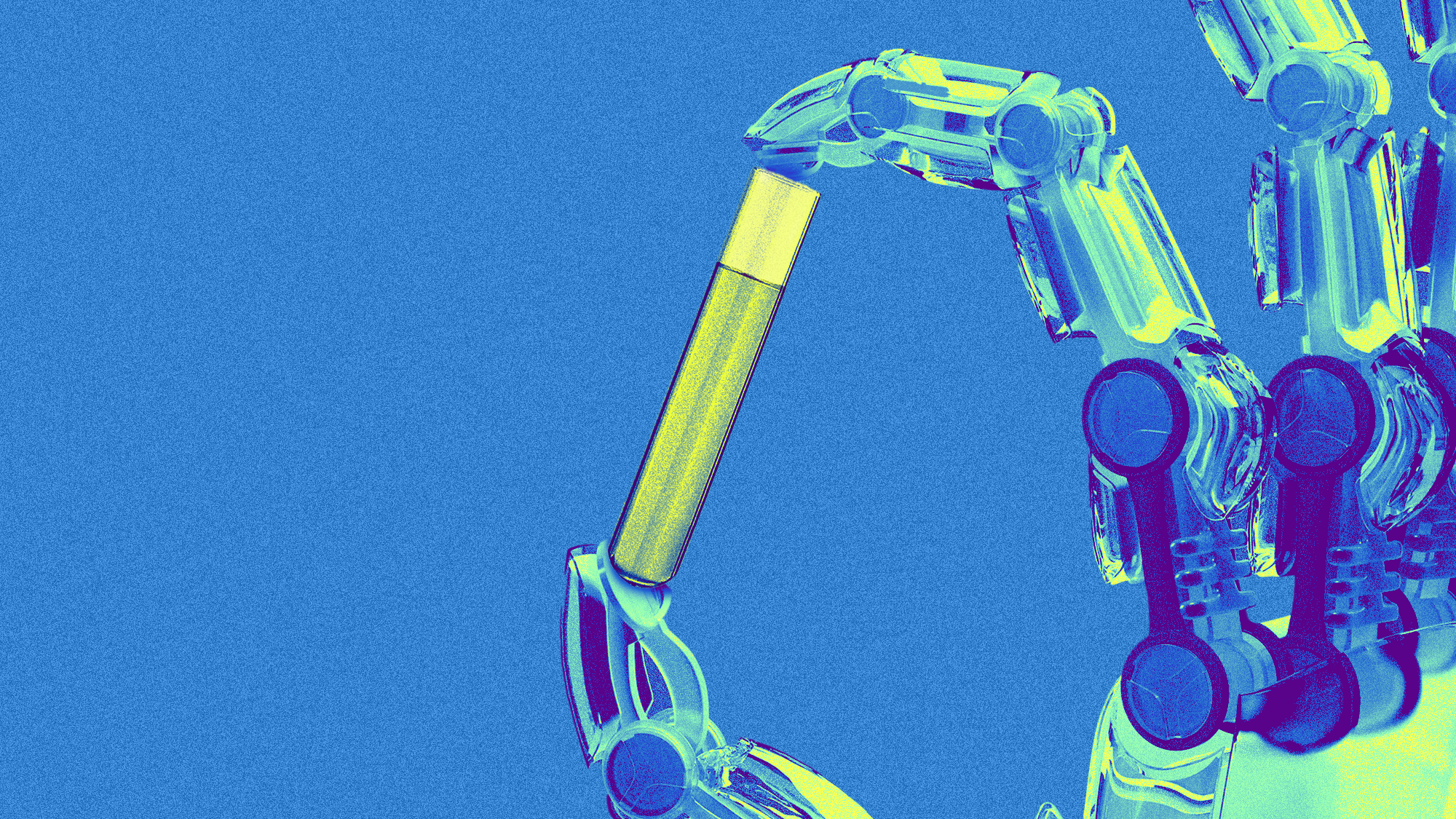
For years, the phrase "AI labs" has been used to describe the rapidly advancing tech companies in the artificial intelligence space. This term, along with the image of meticulous white-coated scientists, has become a shorthand for the powerful firms leading us into a future of technological disruption. Companies such as Anthropic and OpenAI have embraced the label themselves, with Chris Olah, a co-founder of Anthropic, even going so far as to compare his firm to a laboratory during a recent meeting with the Pope.
However, this label is not only misleading but also problematic in its favoritism toward the companies' own interests.
While AI firms do invest heavily in research and development, equating them to scientific laboratories is inaccurate. Major tech companies like Google and Microsoft also dedicate significant resources to research, yet they are not referred to as "labs." Instead, the label of laboratory has become deeply ingrained with AI due to historical reasons.
In the past century, research laboratories have been instrumental in driving computer science innovations, with breakthroughs like the transistor and modern cryptography emerging from corporate labs. This helped shift public perception, moving science from an activity solely for knowledge's sake to a key driver of societal and economic progress.
OpenAI and Anthropic began primarily as research-focused entities, similar to other industrial labs. However, they have since commercialized rapidly, with both companies now valued at nearly $1 trillion and generating billions in quarterly revenue. The term "lab" not only benefits these companies from a public relations perspective by tapping into their scientific heritage but also allows them to sidestep the negative perception surrounding AI.
Public concerns over child safety, privacy, and job displacement have led to widespread opposition from politicians, activists, and religious leaders, who question the influence of these tech behemoths. In contrast, scientists enjoy a higher level of trust. A 2026 Pew Research Center poll found that over 75% of Americans trust scientists to act in the public interest, but fewer than half trust business leaders to do the same.
The use of the "lab" label helps AI companies project an altruistic image while downplaying their ambitions for profit. Industry leaders often emphasize the need to study AI's risks and challenges, framing research as essential to their mission. However, the reality is that much of the research published by these companies is not peer-reviewed.
A review of recent research from Anthropic and OpenAI found that the majority of publications lack corresponding peer-reviewed papers accepted by scholarly outlets. The reasons for this discrepancy are unclear, but they may stem from legal risks, lengthy peer-review cycles, or a reluctance to share data and engage in rigorous scientific processes.
Despite these concerns, AI companies often claim scientific authority while employing research practices that lack transparency and independence. Similar to quasi-scientific advocacy groups, these firms engage in selective dissemination of information, often avoiding peer review and open-sourcing code. The same approach seen in think tanks like the George C. Marshall Institute, which defended oil and tobacco interests, is evident in the AI industry.
To maintain the "lab" label, AI giants should adhere to scientific best practices, including open-sourcing code, preregistering studies, and subjecting research to independent peer review.
Written by urgent.news from The Atlantic's reporting — not their text. Machine-written — may contain errors; check the original before relying on it.