South Korea says US companies to invest $2 billion in chip, energy sectors
Four U.S. companies have committed a combined $2 billion in investment in South Korea across semiconductors, advanced materials, and energy, Seoul's Industry Ministry said on Friday.
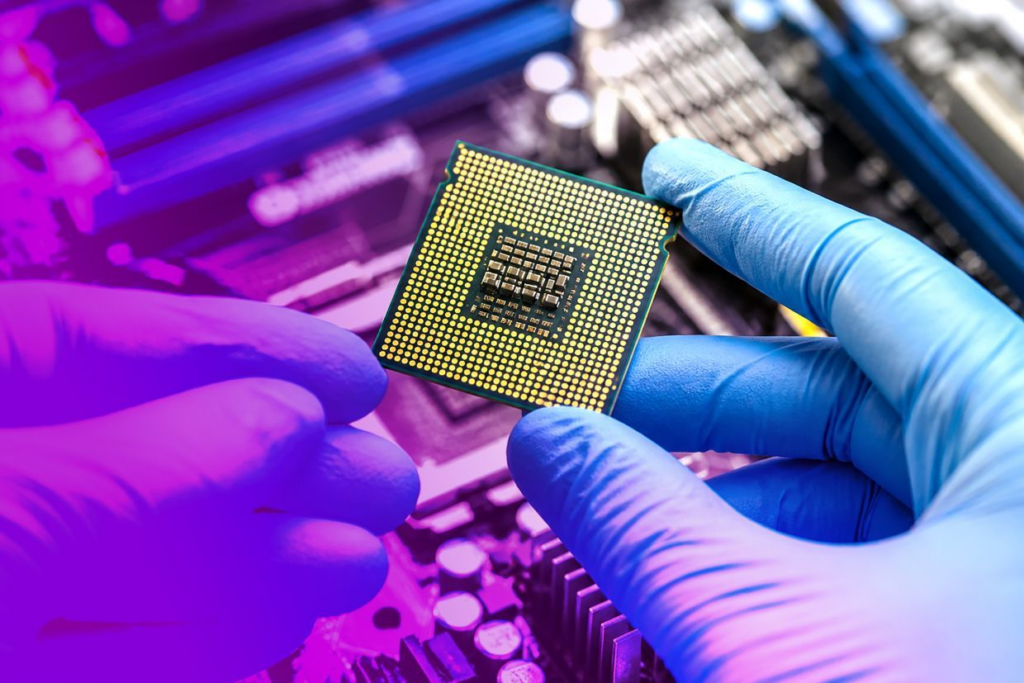
South Korea and the United States are engaging in discussions about potential semiconductor investments in the U.S., as reported by a Seoul official on Friday. The talk of tariffs on chips, as announced by U.S. Commerce Secretary Howard Lutnick, has prompted these talks. Lutnick hinted at a "targeted, thoughtful tariff policy" on semiconductor imports, warning that failure to build in the U.S. could result in paying to enter the largest market in the world.
This issue arose amid broader bilateral talks, according to the official, who mentioned that semiconductors were part of investment-related matters under discussion. It was also noted that South Korea and the U.S. have various issues that sometimes impact each other, and efforts are being made to prevent these from hindering progress.
Under a deal signed by the countries' presidents last year, South Korean chipmakers, including Samsung Electronics and SK Hynix, will receive U.S. tariff rates equal to or better than those offered to any other competitor with an equal or larger volume of chip trade. Despite this, Seoul's negotiations with Washington over national security issues have not been making progress.
The official specifically referred to South Korea's plan to build its own nuclear-powered submarine as part of last year's deal, indicating that progress in this area remains elusive.
Written by urgent.news from Investing.com's reporting — not their text. Machine-written — may contain errors; check the original before relying on it.
This story
This is one outlet's version. Read the fullest account.
- Korea narrows current account surplus gap with Taiwan amid chip boom koreatimes.co.kr
- South Korea says chip investments under discussion with US amid tariff concerns economictimes.indiatimes.com
- South Korea says US companies to invest $2 billion in chip, energy sectors myjoyonline.com
- Bank of Korea: South Korea's monthly memory chip output is set to grow by ~600K wafers by 2028, widening its lead over China's CXMT, set to grow by ~300K wafers (Yoolim Lee/Bloomberg) bloomberg.com
- South Korea says Air Products, three other U.S. firms pledge $2B in chip, energy projects seekingalpha.com
- South Korea says chip investments under discussion with US amid tariff concerns investing.com
- South Korea says chip investments under discussion with US amid tariff concerns channelnewsasia.com