Singapore’s cleanliness paradox: Better habits, higher standards — and more complaints
SINGAPORE, Sept 4 — Singaporeans appear to be getting better at cleaning up after themselves. Yet they are also be...
Singaporeans seem to be improving their cleaning habits, but are also becoming less satisfied and more demanding. According to the latest Public Cleanliness Satisfaction Survey conducted by Singapore Management University, satisfaction with the cleanliness of public spaces fell to 91% in 2025 from 94% in 2023, even as more people acknowledged personal responsibility in keeping the country clean.
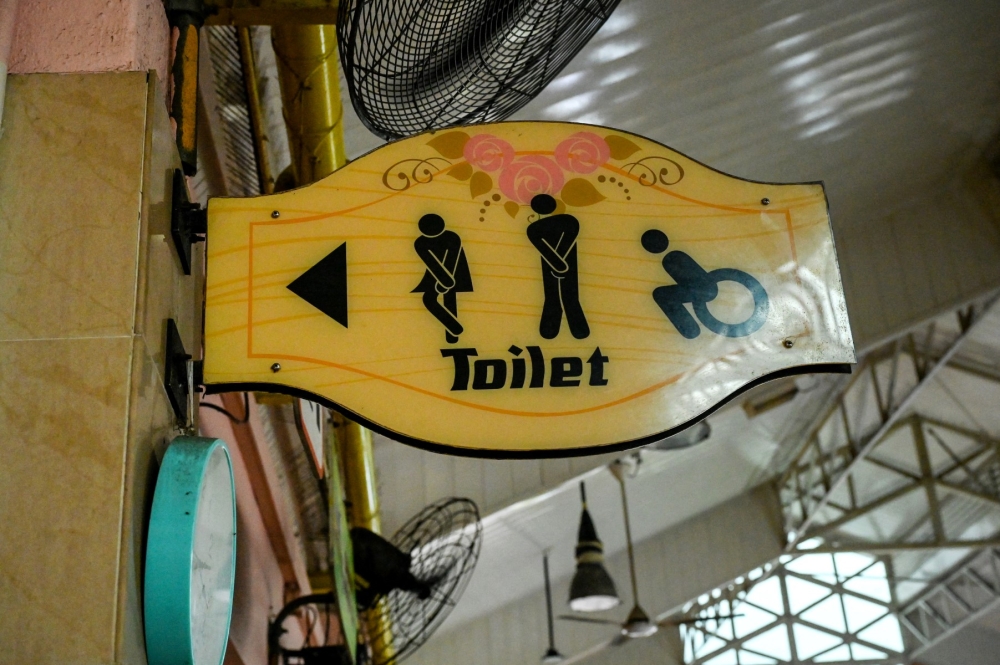
Neighbourhood spaces recorded the sharpest drop among the six areas surveyed, with satisfaction falling from 93.3% to 87.4%. Void decks, corridors, and lift lobbies also saw significant declines, dropping by 8.8 percentage points to 80.9%. Public toilets and coffee shop toilets saw satisfaction levels drop by 8.2 percentage points to 75.5% and 48.3%, respectively.
The researchers suggested the decline may not mean Singapore has become dirtier, but that people may be more demanding due to years of relatively high standards and increased waste from deliveries and cleaning costs. The weather could also be affecting perceptions of cleanliness. Food outlets remained the lowest-rated of the six main categories.
Despite growing fussiness, the survey suggests Singaporeans are increasingly willing to accept responsibility for keeping their surroundings clean. Some 98.6% of respondents agreed that keeping Singapore clean was everyone's responsibility. However, enthusiasm for cleanliness appears to have limits when it comes to money or volunteering.
Fewer than half of respondents said they would volunteer with a neighbourhood cleanliness group, and even fewer were willing to pay higher service and conservancy charges for more cleaning. Researchers suggested residents could be encouraged to see neighbourhood hawker centres and coffee shops as "community kitchens" they have a stake in maintaining.
Written by urgent.news from Malay Mail's reporting — not their text. Machine-written — may contain errors; check the original before relying on it.