Severe US Cattle Shortage Eats Into Meatpacker Tyson’s Earnings
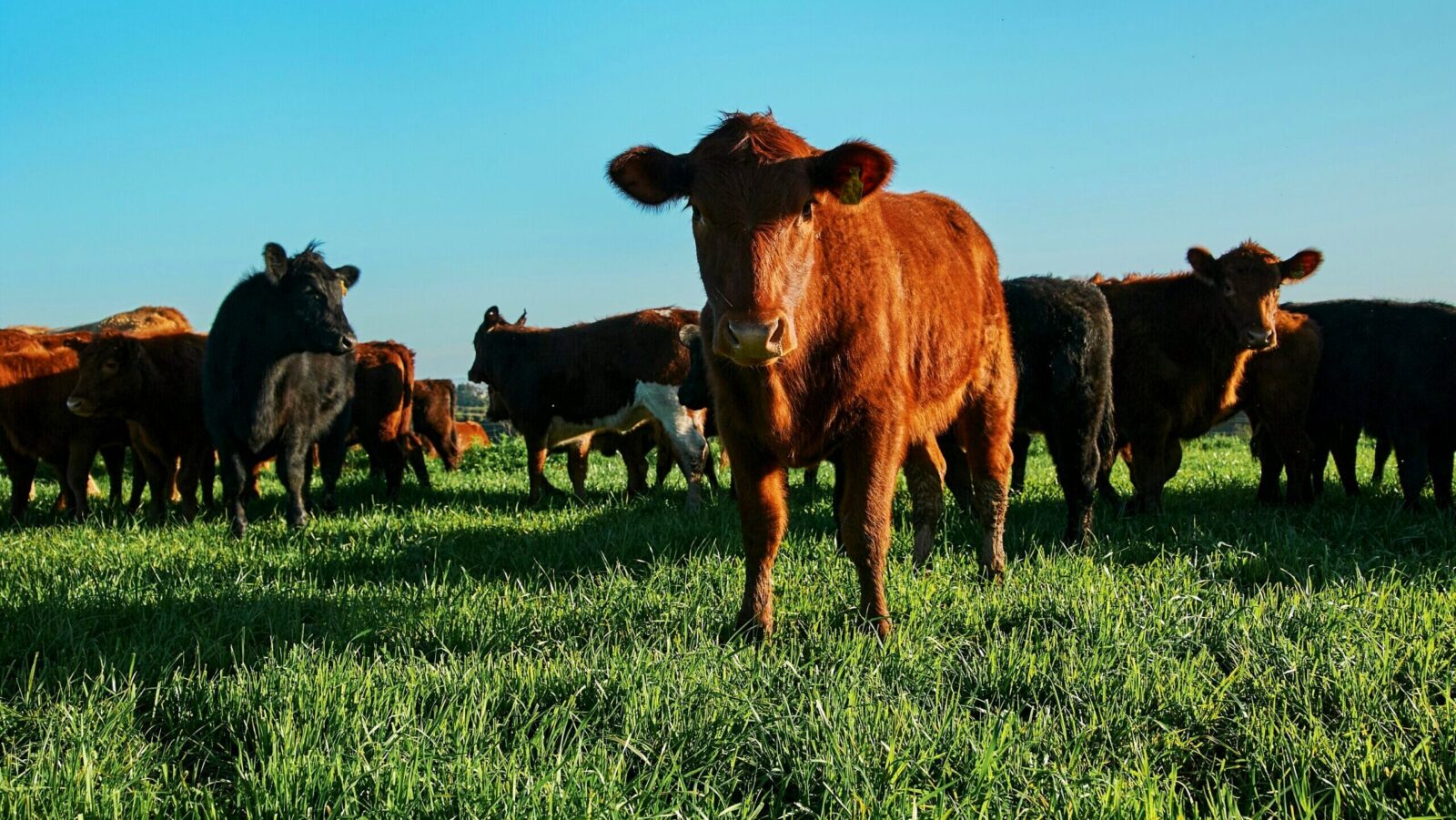
An alarming shortage of cattle in the United States is causing significant impact on the meat industry, particularly on the earnings of major players like Tyson Foods. The situation is alarming as the cattle herd is at a 75-year low, with only 28.5 million beef cows as of July 1, marking the lowest headcount since tracking began in 1971 and a 1% year-over-year decline.
The consequences of this cattle shortage are evident in the rising beef prices, which have increased by 70% since 2020. While this higher price might be beneficial for the meat industry, the reality is that high operating expenses are wreaking havoc on the financial health of these companies. As the largest meatpacker in America, Tyson Foods is particularly vulnerable to this crisis.
Tyson Foods, which has the highest beef segment operating margin at negative 4.3% in the first nine months of the year, expects to lose between $625 million and $775 million in 2026. This loss is considerably higher than the previous estimate of $500 million to $650 million. The company has slashed its annual income forecast to $1.85 billion to $2.05 billion, down from the previous forecast of $2.1 billion to $2.3 billion.
In an attempt to address the issue, the Trump administration proposed allowing 300,000 metric tons of duty-free beef imports for 90 days from September 1, under the condition that they are sold at 25% below the market price. However, this measure is expected to impact only a small fraction of domestic beef consumption, representing just about 2% of the total consumption.
The US Department of Agriculture has also initiated a series of federal programs aimed at supporting herd growth and ending the cyclical contraction that began in 2019. Among these initiatives is a mechanism that allows ranchers to insure the value of cattle retained for breeding for two years.
Written by urgent.news from Yahoo Finance's reporting — not their text. Machine-written — may contain errors; check the original before relying on it.