Russia’s answer to Starlink was written off as a failure—its satellites are still climbing
Forty-six days after their 19 July launch, the new craft sit at a median 365 km—higher than Russia's already-working first batch was at the same age.
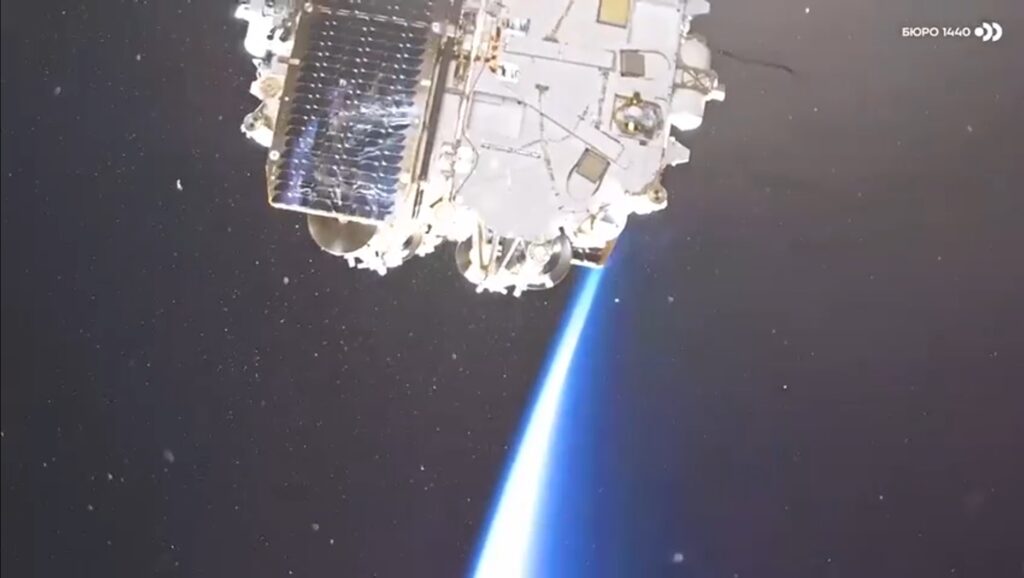
Russia's latest constellation of satellites, designed to rival Starlink, is accelerating their ascent and achieving higher altitudes than the initial batch, according to Ukrainian defense outlet Militarnyi. This challenges recent claims that the batch would remain at lower altitudes, though some satellites have malfunctioned. Moscow is expediting the development of its own satellite network to replace the unauthorized Starlink service used by its forces, a system that experts warn could eventually transmit commands for long-range strike drones.
Business Insider reported that all 16 satellites in the second Rassvet batch, launched on July 19, failed to reach their intended orbit, citing US Space Force tracking data. The Institute for the Study of War noted that many of the satellites were only 300 to 400 kilometers above Earth, well below their target orbit. Russia appears unprepared to deploy at this speed and will likely face additional delays.
Rassvet, meaning Dawn, is manufactured by Russian firm Bureau 1440. Militarnyi analyzed the tracking data and found that the July batch had a head start, with its median altitude of 365 kilometers surpassing the first batch's 314 kilometers by day 46. While the new batch climbs at a slower rate, the initial boost left them ahead in altitude.
Militarnyi cautions that a more accurate assessment cannot be made until around 100 to 125 days after launch, around late October, when most of the March batch reached 500 kilometers. However, two satellites are not climbing and are descending into the atmosphere, a third rose and then fell back, and another stalled due to an unknown cause.
The March launch lost one satellite entirely and left two others below working height. The company had targeted an orbit near 800 kilometers, yet the first batch settled at a lower altitude that still functions. Militarnyi counts 13 satellites in a stable orbit near 508 kilometers, aligned with Business Insider and ISW's findings of twelve satellites at roughly 550 kilometers.
These satellites now provide at least two daily communication windows over Ukraine, each lasting over an hour.
Written by urgent.news from Euromaidan Press's reporting — not their text. Machine-written — may contain errors; check the original before relying on it.