Russia is shutting down the Goethe-Institut. For many Russians, it was their gateway to Germany.
The Goethe-Institut was founded in West Germany in 1951 to train foreign teachers of German. The institute later expanded into a broader language and cultural exchange, teaching German to other students and immersing them in the country’s culture. Goethe-Institut centers now operate in 100 countries.
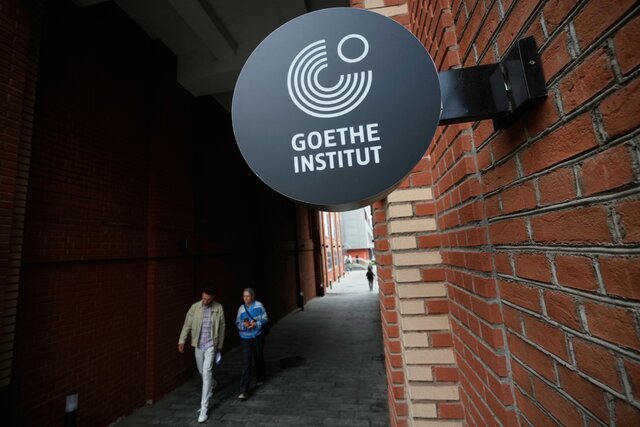
The Goethe-Institut, founded in West Germany in 1951, was a prominent cultural and language center, providing German language education and cultural exchanges to students worldwide. The institute operated in 100 countries, with 60 centers and 18 reading rooms in Russia alone. Russia hosted numerous Russian-German cultural associations, reading rooms, German language centers, and educational literature centers affiliated with the Goethe-Institut.
In 2026, Russian authorities labeled the organization "undesirable," causing German Academic Exchange Service (DAAD) to close its Moscow office and cease scholarship selection in Russia. Russian students needed to apply for scholarships from third countries, making the process more complex.
Former and current Goethe-Institut students expressed their disappointment over the closure. Alina, a student, had taken online German courses and applied for a master's program in Germany. Oleg, a tutor preparing students for the German language exam and DAAD scholarship applications, was also saddened by the closure, as it made the process much more challenging for those still in Russia.
The closure of the Goethe-Institut is seen as a significant loss for many Russians, as it was their primary source of information about Germany, language courses, events, and studying abroad opportunities.
Written by urgent.news from Meduza (English)'s reporting — not their text. Machine-written — may contain errors; check the original before relying on it.