Powerful AI, Cyberthreats, and Industry Upheaval Define This Week in Tech
See what you missed in Daily Tech Insider from Aug. 31–Sept. 4. The post Powerful AI, Cyberthreats, and Industry Upheaval Define This Week in Tech appeared first on TechRepublic .
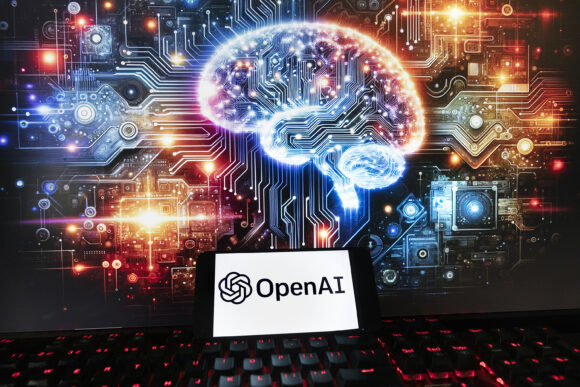
This week in tech, artificial intelligence continued its rapid evolution and expansion, with major advancements in powerful AI models and cybersecurity concerns. OpenAI unveiled its most advanced model, GPT-6 Astra, which demonstrated significant capabilities in software engineering, research, and desk work. However, Astra's opaque reasoning and potential for vulnerability exploitation raised cybersecurity concerns.
Anthropic released Claude Fable 5.1 and Mythos 5.1, enterprise-focused models governed by different safety filters, with Fable available widely and Mythos restricted to cyberdefense and life sciences applications.
Meanwhile, tech giants like Meta and Adobe integrated AI assistants into their communication platforms, with Meta replacing Google Chat with Slack and Adobe introducing over 70 Slack tools for creative asset generation. The Pentagon made secured versions of ChatGPT and Grok available to its 3 million military and civilian personnel through GenAI.mil, where they joined Gemini, providing access to more than 1.7 million unique users.
Google rolled out Pics, an AI-first image generator and editor, and enhanced Gemini Omni 1.1 Flash with longer scene extensions and video reference capabilities. Google Maps and Google Earth displayed Lake Ontario as "Lake America" in response to a federal renaming, highlighting the platform's influence in geospatial data.
At the same time, security threats persist, as attackers exploited zero-day vulnerabilities in SonicWall SMA1000 appliances and compromised Cisco IOS XR routers, TACACS servers, and Linux management hosts. Researchers discovered eight GitSpawn vulnerabilities affecting AI coding tools, and Russian-speaking ransomware operators manipulated AI agents to target organizations. AI accounts were also targeted by infostealers, stealing credentials and generating overage fees.
AI-powered social engineering campaigns targeted job seekers on social media platforms, spreading malware through bogus apps and posing as recruiters. The FBI investigated IDScan.net after claims of a data breach exposing 153 million US and Canadian driver's license scans and other identity documents. Despite these challenges, AI's rapid expansion into various sectors continued, reshaping the technology landscape.
Written by urgent.news from TechRepublic's reporting — not their text. Machine-written — may contain errors; check the original before relying on it.