People are using custom apps and $30 gadgets to hunt for smart glasses that may be filming them—here's how
With the rise of smart glasses (and the stories surrounding their worst use cases), there’s been a rise in apps and gadgets that are used to detect them.
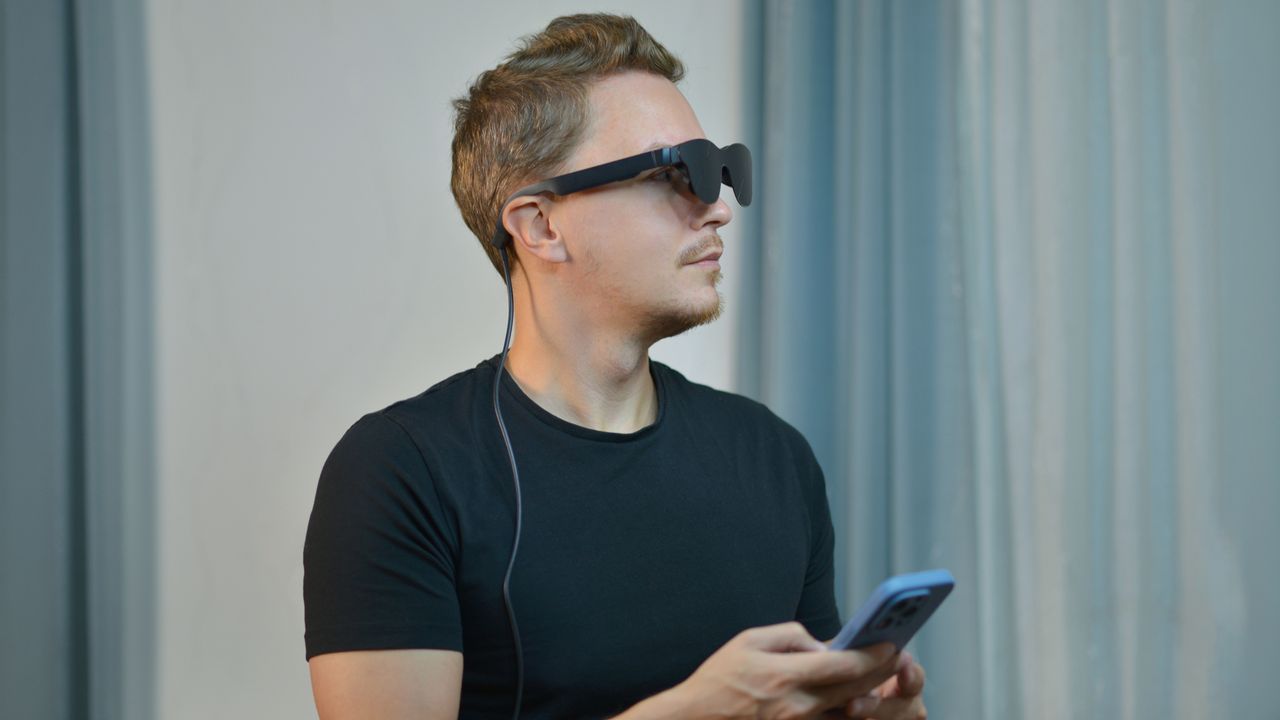
In 2026, the global market for smart glasses has seen a significant surge, with shipments reaching approximately 2.25 million units in a single quarter, according to IDC. This surge in popularity, seen in models such as the Ray-Ban Meta (Gen 2), Meta Oakley HSTN, Rokid AI Glasses, and many others, has also unfortunately coincided with an increase in privacy violations involving these devices.
Stories of people secretly filming others in private spaces and capturing intimate moments have emerged, as well as instances of young people using smart glasses to harass and bully their peers. This has led to a widespread decline in public perception of smart glasses, particularly for brands like Meta, which is working to combat the "pervert glasses" stereotype by implementing safer privacy settings.
To avoid being filmed by people with smart glasses, some individuals are turning to affordable, easily accessible apps and gadgets. Four apps available on the App Store, including Antizuck Smart Glasses Scanner, Nearby Glasses (Original), Zuckoff, and NoGlasshole: Glasses Detector, utilize Bluetooth scans to make users aware of smart glasses in their vicinity.
These apps can detect devices based on their Bluetooth signals, Wi-Fi activity, and LED indicators on the smart glasses' frames. Zuckoff, for instance, actively listens for announcements from smart glasses and notifies users when certain devices like Ray-Ban Meta, Oakley Meta, or Snap Spectacles are nearby.
In addition to these apps, people are also utilizing relatively inexpensive counter-surveillance tools such as RF Signal Detectors and Optical Lens Finders. RF Signal Detectors measure radio frequency bursts when smart glasses actively transmit data, while Optical Lens Finders emit flashing red LEDs that reflect off the tiny camera lenses in the smart glasses' frames, visible through a viewfinder.
However, it is important to note that these tools may not always be reliable, as some smart glasses can be modified to disable LED indicators, and a Bluetooth scan only confirms the device's power-on status, not its active recording capability.
Written by urgent.news from Tom's Guide's reporting — not their text. Machine-written — may contain errors; check the original before relying on it.