OFFICIATING STANDARDS: VAR can reduce errors in SA soccer, but professional referees are the real fix
While the conversation around the introduction of VAR in South African soccer rages on after Minister of Sport Gayton McKenzie promised that it would be introduced in April 2025, the bigger picture is that South African referees are still semi-professional. Most juggle being match officials with other full-time jobs.
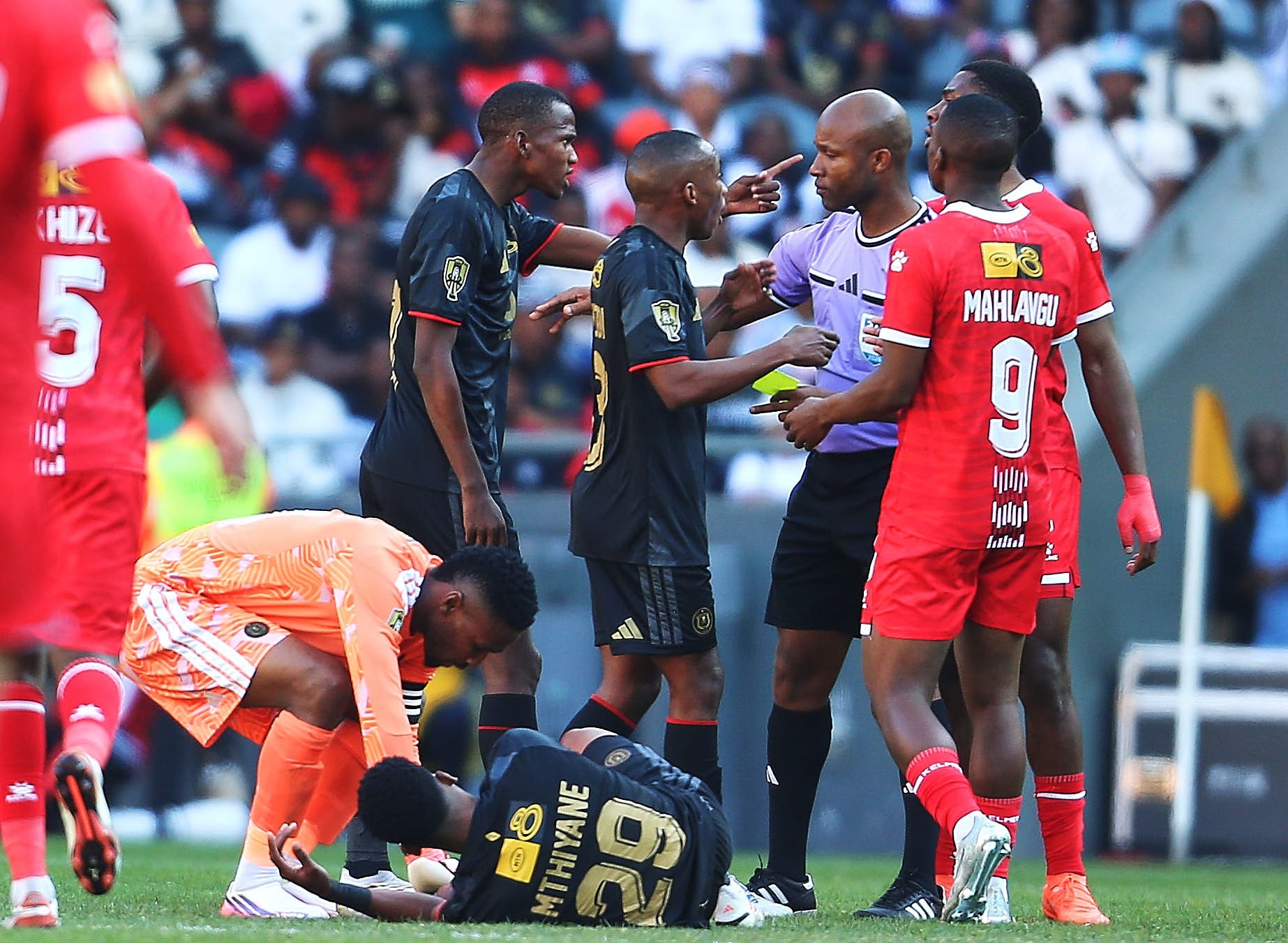
The introduction of VAR in South African soccer has been a topic of debate after Minister of Sport Gayton McKenzie promised its implementation by April 2025. However, the bigger issue at hand is the semi-professional nature of South African referees, who often hold down full-time jobs while officiating matches. This season has already seen numerous controversial decisions, such as a serious ankle injury to Orlando Pirates' Sihle Nduli, which occurred due to a reckless tackle from AmaZulu's Thandolwenkosi Ngwenya.
Despite the referee, Luxolo Badi, being accused of not showing a red card for Ngwenya's dangerous play, VAR has been unable to rectify such glaring errors. While VAR can certainly help reduce obvious mistakes like the Ngwenya-Nduli incident, it is not a panacea for the deeper problem of poorly trained and underpaid referees. During a parliamentary debate, Democratic Alliance member Leah Potgieter pointed out that referees' training is minimal, and Safa's payment of R20-million for VAR implementation without proper due diligence is questionable.
Safa's Head of Referees Abdul Ebrahim defended the officials, stating that they make mistakes like any other referees, but emphasized that VAR is a helpful enhancement for match officials. Nonetheless, truly addressing the refereeing crisis in South African soccer would require making the occupation fully professional, rather than merely relying on VAR.
Written by urgent.news from Daily Maverick's reporting — not their text. Machine-written — may contain errors; check the original before relying on it.