No AI, laptops or phones: University of Chicago makes social sciences core ‘analog’ from 2026-27
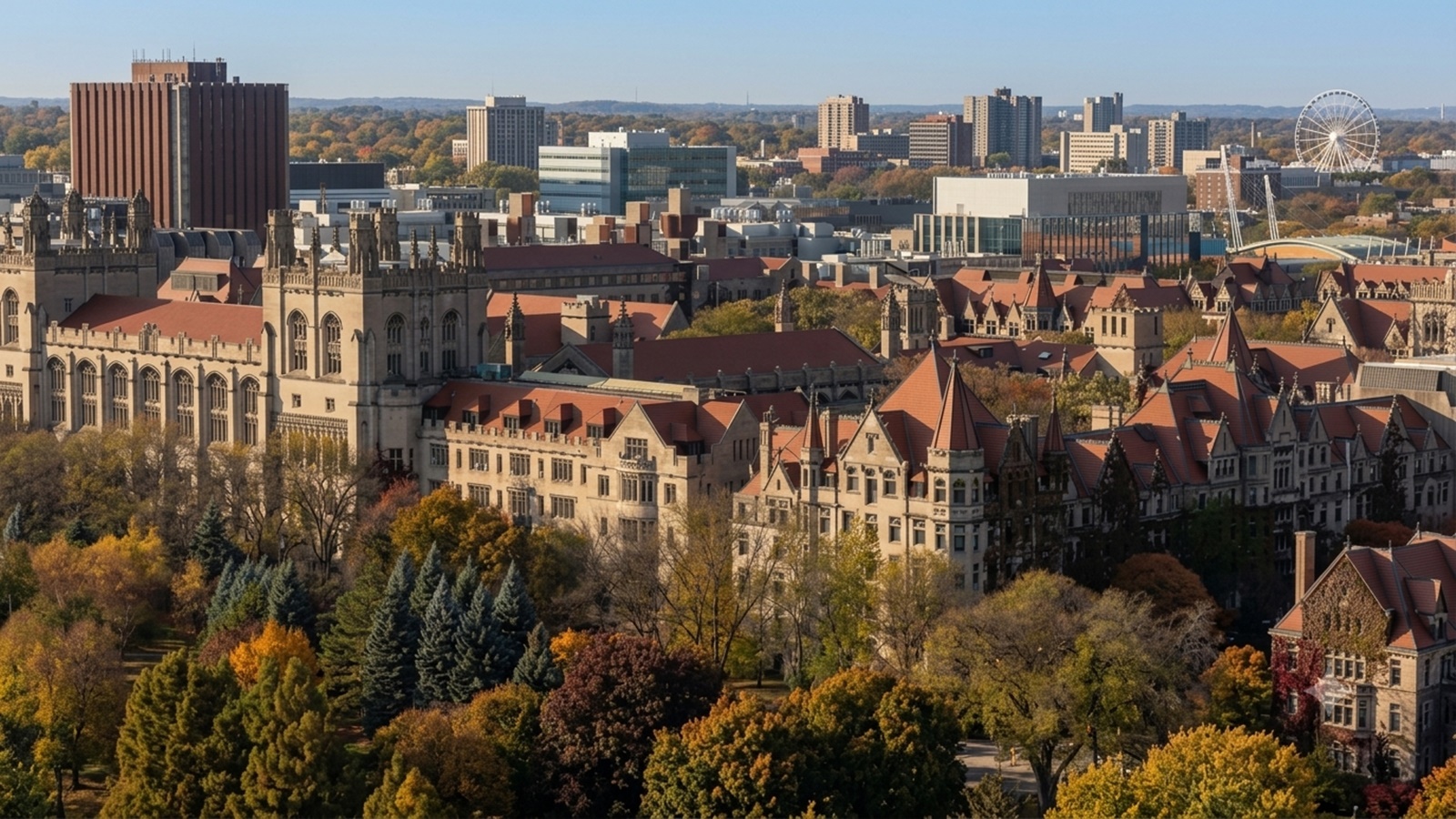
By the 2026-27 academic year, the University of Chicago will ban artificial intelligence tools and personal technology in its Social Sciences Core (SOSC) courses, transforming them into an "analog" learning approach. As per the Social Sciences Collegiate Division (SSSC) guidelines, students will be required to attend classes in person, work with paper texts, and engage in discussions without laptops, mobile phones, or wearable AI devices.
The policy will cover both students and instructors, who will be prohibited from using AI for grading. Assignments will be completed independently by students, without AI assistance, while instructors will refrain from using AI for grading as well. Course syllabi will be crafted by human scholars. The SSSC believes the decision is a consensus among faculty, who agree that the Social Sciences Core is best taught sans AI.
The objective, as per the memo, is to enable students to hone their reading, writing, and critical thinking skills without relying on artificial intelligence. However, exceptions will be granted where technology is deemed necessary for specific academic purposes. Students and faculty may also explore AI applications in teaching where it offers a clear educational benefit.
The university's Social Sciences Core is a part of its undergraduate general education curriculum, with students typically taking a three-course sequence. This move by the University of Chicago mirrors similar restrictions instituted in its law school, where electronic devices have been banned in most first-year core courses, and methods are being devised to teach students about AI's use in legal practice.
Written by urgent.news from The Indian Express's reporting — not their text. Machine-written — may contain errors; check the original before relying on it.