Nepra allows govt to mandate Battery Energy Storage Systems for wind, solar IPPs in upcoming power auction
ISLAMABAD: The National Electric Power Regulatory Authority (Nepra) on Friday allowed the government to require mandatory Battery Energy Storage Systems (BESS) as part of an upcoming auction for 800 megawatts of renewable power capacity from wind and solar projects, aimed at helping stabilise an electricity supply facing serious duck curve challenges. After a delay of more than 30 years, the…
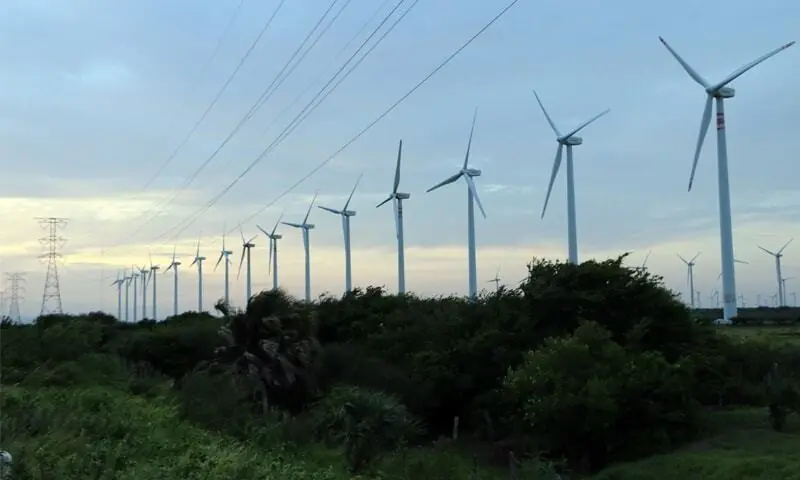
Islamabad's National Electric Power Regulatory Authority (Nepra) has authorized the government to mandate Battery Energy Storage Systems (BESS) in an upcoming auction for 800 megawatts of renewable power capacity derived from wind and solar projects. This initiative aims to tackle severe electricity supply issues, including the "duck curve," that have persisted despite a 30-year delay in implementing the auction process.
The government's recent declaration of the auction process, which is being coordinated with the private sector to finalize the bidding schedule, comes as a response to the escalating duck curve challenges. In July, the government decided to make BESS mandatory for bidders in the upcoming auction. Nepra approved this move by amending the "wheeling auction process", enabling the Independent System Operator (Ismo), a subsidiary of the power division, to officially issue a request for proposals for the first block of the 400MW auction within the month.
The first amendment stipulates that prospective bidders must ensure that BESS accounts for at least 10 percent of their proposed wind or solar capacity. The auction participants must submit their proposals within two months of the RFP publication for the first auction and within one month for subsequent auctions. Nepra's rationale behind this provision is to provide Ismo with the necessary flexibility during the first auction implementation, as many potential participants might request an extension of the submission deadline.
The amendments also establish a three-member grievance redressal committee, chaired by the managing director of the Private Power and Infrastructure Board (PPIB) and consisting of two independent directors from the Ismo board, to handle complaints or grievances related to the auction process. Ismo's detailed BESS analysis has shown that returns from installing BESS increase with capacity up to a specific limit.
After consulting with participants, the minimum BESS capacity of 10 percent has been set as a mandatory requirement. However, auction participants can install more than the minimum amount to enhance their financial viability, as the financial model demonstrates higher returns with increased BESS capacity. International markets have adopted two distinct strategies for integrating BESS into the grid.
Developed countries typically publish all relevant information, enabling market participants to make informed decisions, while developing nations, such as India, the Philippines, China, and the Dominican Republic, have opted for mandatory BESS requirements. Most potential auction participants and stakeholders have acknowledged the significance of BESS in enhancing grid flexibility and mitigating the duck curve caused by the intermittent nature of renewable energy sources.
Written by urgent.news from Dawn Business's reporting — not their text. Machine-written — may contain errors; check the original before relying on it.