Nepal bet nearly everything on hydropower - the floods show why that's a problem
More than 10% of Nepal's energy generation capacity was knocked out by last week's floods.
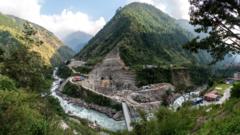
Nepal generates nearly all of its electricity from hydropower, earning around $200 million annually by exporting the power to India and Bangladesh. However, global warming is threatening the glaciers and mountains that provide this natural advantage. Last Wednesday's deadly floods claimed over 1,300 lives and left thousands missing, severely damaging 12 hydropower plants in the Trishuli River basin and reducing total power generation capacity by over 10%.
The state-owned Nepal Electricity Authority, which owns six of the damaged plants, assures Nepalese households that electricity supply remains adequate. But its spokesman, Rajan Dhakal, concedes that climate-related disasters are becoming more frequent, and it is time to rethink the country's hydropower policy.
Nepal's electricity sector has expanded significantly, with 225 hydropower plants and over 3,900MW of installed capacity providing power to around three million households. However, most of the new projects are located in high-altitude regions, where temperatures are rising 50% faster than the global average. Preliminary investigations suggest that a collapsed glacier and its bedrock triggered last week's flash flood.
While scientists cannot definitively link the disaster to climate change, Nepal's Disaster Risk Reduction and Management Authority notes that more than 90% of disaster events between 2018 and 2024 were climate-related.
Former Energy Minister Kulman Ghising described the deluge as a "once-in-a-century" event, emphasizing the need for resilient plant designs, early-warning systems, and emergency evacuation measures. Some experts argue that Nepal has been overly reliant on hydropower and should diversify its energy sources, including solar and wind.
Renewable energy expert Kushal Gurung, founder of WindPower Nepal, urges the adoption of multiple energy sources and a revision of energy policies that remain heavily pro-hydropower. However, hydroelectric power remains the most advantageous for Nepal, offering a significant competitive edge over its South Asian neighbors.
Written by urgent.news from BBC World's reporting — not their text. Machine-written — may contain errors; check the original before relying on it.