Need to bridge policy gaps to address malnutrition, sanitation
ISLAMABAD: Experts called for an integrated approach to addressing sanitation and malnutrition, emphasising that Pakistan needed to move from discussing multisectoral approaches to actually financing and delivering one. Addressing a session at the DawnMedia Act for Nutrition conference held at a local hotel in the federal capital, WaterAid Country Director Mian Muhammad Junaid said a child cannot…
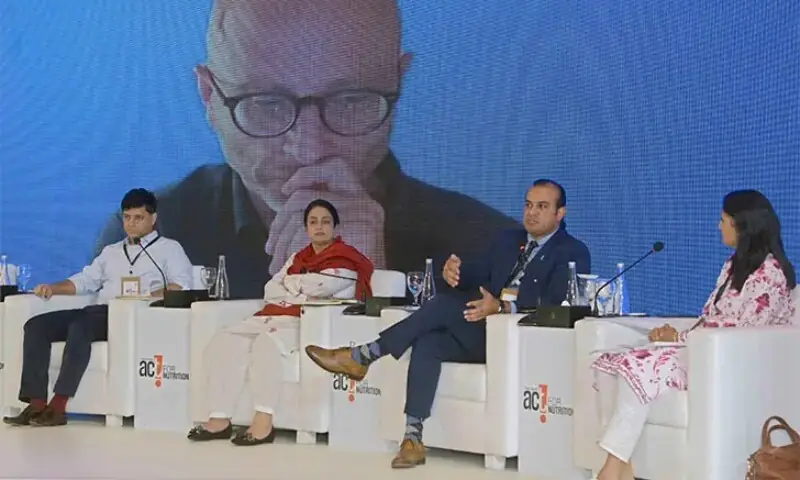
Experts gathered at the DawnMedia Act for Nutrition conference in Islamabad, urging Pakistan to adopt an integrated approach to tackle sanitation issues and malnutrition. Mian Muhammad Junaid, WaterAid Country Director, highlighted that a child's well-being was compromised if they were exposed to contaminated water, fecal contamination, or unhealthy environments while consuming proper food, receiving nutrition counseling, cash transfers, and accessing health facilities.
He emphasized that Water, Sanitation, and Hygiene (WASH) services were often overlooked in addressing malnutrition. Junaid pointed out that various sectors, including nutrition, health, water, and sanitation, climate, and social protection, remained siloed in policy-making, while a child experienced these boundaries in their daily life.
Oliver Cumming from the London School of Hygiene and Tropical Medicine revealed that 20% of children in South Asia are stunted at birth, with Pakistan showcasing a prevalence of at least 20% of children being stunted, alongside two out of every five children being affected. Cumming proposed integrated approaches and prevention, especially focusing on early childhood prevention.
Dr. Saima Khan, a water, sanitation, and hygiene policy specialist, advocated for targeting 36 districts contributing to stunting in children. She suggested investing WASH infrastructure resources in these districts, including northern areas like Azad Jammu and Kashmir and Gilgit-Baltistan, which lacked sanitation or sewerage infrastructure.
Before the main session, a talk addressed bridging the gap between policy implementation. Khadija Khan, CEO of the Pakistan Alliance on Early Childhood Development, cautioned against viewing nutrition in isolation, emphasizing the necessity of a holistic package encapsulated in the nurturing care framework, which addresses good health, adequate nutrition, responsive caregiving, safety, security, and early learning opportunities.
Finally, Dr. Farhana Memon, Programme Director of Reproductive, Maternal, Neonatal, and Child Health, lamented the lack of funds required to translate policies into action. She emphasized the need for adequate financial support, stating that donors largely funded malnutrition efforts, while social protection programs could play a significant role in improving nutrition outcomes.
Written by urgent.news from Dawn - Pakistan's reporting — not their text. Machine-written — may contain errors; check the original before relying on it.