NASA Knows Drought
Drought can begin with missing rain, shrinking snowpack or depleted groundwater. See how NASA helps put the full picture together. The post NASA Knows Drought appeared first on NASA Science .
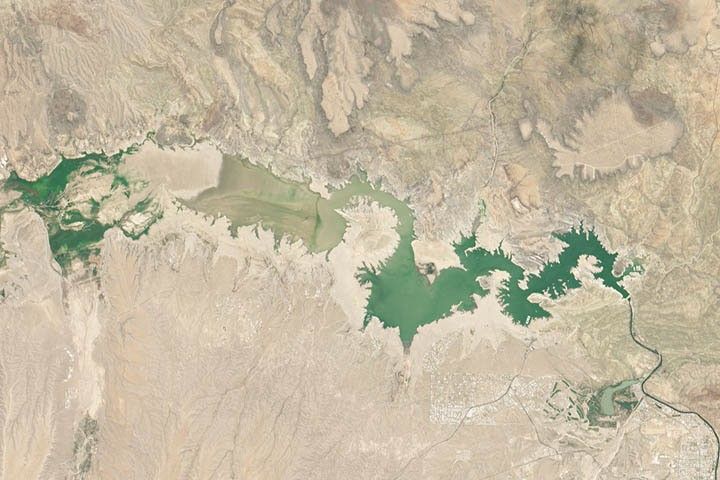
Drought can manifest gradually or emerge suddenly, triggered by insufficient rainfall, diminished snowfall, or a water source that hasn't fully replenished after extended dry spells. NASA's mission centers on assisting communities in monitoring rain and snowfall patterns, assessing water storage levels, gauging utilization, and determining whether regions are regaining equilibrium or continuing to face deficits.
The critical insights from NASA's drought tracking include:
- The fundamentals of drought: It refers to an extended period of abnormally low precipitation, leading to water scarcity in soil, rivers, reservoirs, snowpack, or groundwater aquifers. Drought duration varies from weeks to decades, contingent on its intensity and the speed at which water systems can recover.
- The impacts of drought: Droughts can lead to shortages in drinking water, agricultural output, energy production, ecosystems, recreational activities, waterway navigation, and wildfire hazards. Elevated temperatures and land management practices can exacerbate drought consequences.
- NASA's role in addressing drought: Utilizing Earth-observing satellites, aircraft, models, and data-driven tools, NASA enables farmers, ranchers, water managers, emergency planners, and local communities to monitor drought conditions and make well-informed decisions.
Key takeaways:
- Drought is characterized by prolonged abnormally low precipitation, causing water shortages in soil, rivers, reservoirs, snowpack, or underground aquifers.
- Drought durations range from short-term (weeks) to long-term (decades), depending on severity and recovery rates.
- Drought effects span drinking water, agriculture, energy, ecosystems, recreation, navigation, and wildfire risk, with extreme heat and land use potentially intensifying impacts.
- NASA leverages its Earth-observing satellites, aircraft, models, and data resources to support stakeholders in tracking drought and facilitating better-informed decision-making.
Written by urgent.news from NASA Science's reporting — not their text. Machine-written — may contain errors; check the original before relying on it.