Measles Outbreaks Are Forcing Immunocompromised Kids to Make Impossible Choices
With the risk of infection rising, parents and young adults are facing agonizing choices about being out in public as school starts back up.
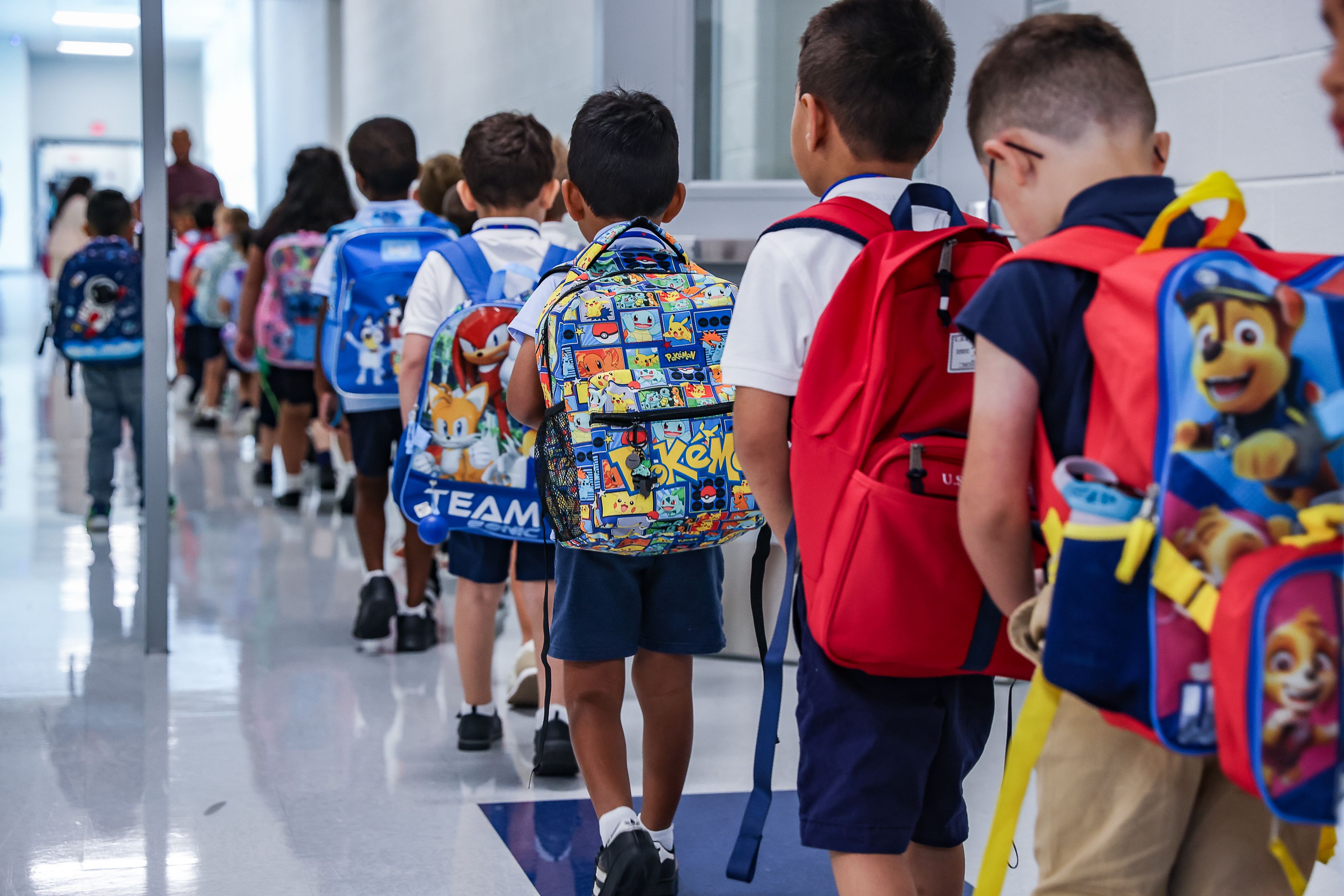
Measles outbreaks in the United States have reached a 35-year high, with nearly 3,000 confirmed infections in 2026. Pennsylvania recorded its first two measles-related deaths of the year as the school year began. With declining vaccination rates, parents of immunocompromised children are faced with challenging decisions about sending their kids to school.
Victoria Schiano, a national community engagement coordinator for Little Lobbyists, describes the resurgence of measles as "absolutely terrifying." Approximately 2.6 percent of children in the US have compromised immune systems, which can be genetic or secondary to treatments like chemotherapy. Schiano's 10-year-old son, who has mitochondrial disease, cannot be vaccinated and receives regular immunoglobulin infusions to combat infections.
Measles can cause severe complications and immune amnesia, leaving the body susceptible to other diseases. Schiano's family has limited her son's interactions with friends and extracurricular activities to minimize risk. Similarly, Amalia, a parent in South Carolina, has chosen online schooling for her 16-year-old son with immunoglobulin A deficiency, due to concerns about measles and the increased risk of social isolation and mental health issues during remote learning.
Despite a significant increase in vaccinations during the Spartanburg County outbreak, Amalia remains hesitant to send her son back to school, fearing further outbreaks. Parents in the community are expressing anti-vaccination sentiments and hostility towards masking, prompting some families to consider moving to more supportive environments.
Written by urgent.news from Wired Science's reporting — not their text. Machine-written — may contain errors; check the original before relying on it.